
 AUS
AUS
 NZ
NZ
 UK
UK
 CA
CA
 USA
USA
 IND
IND






Highlights
- Exxon Mobil operates across the global oil, gas, and petrochemical value chain.
- Market attention followed developments related to changing expectations from financial institutions.
- Energy production, refining, and chemical manufacturing form the core of the company’s operations.
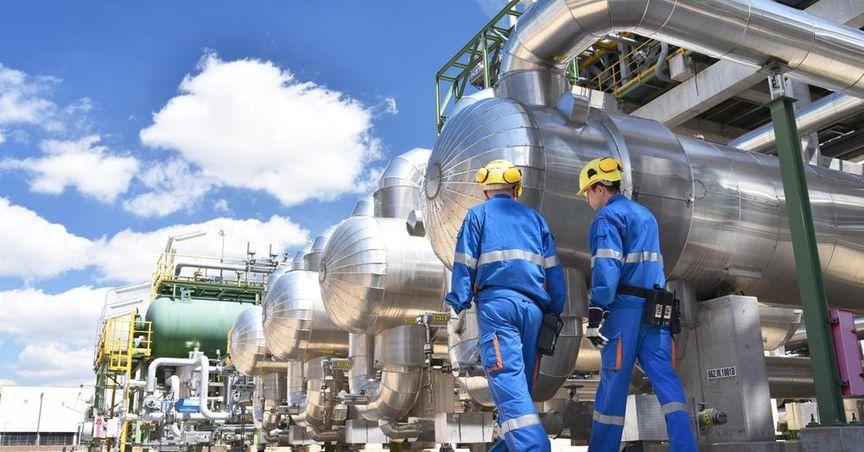
Exxon Mobil developments within the s&p 500 reflect integrated energy operations spanning exploration, refining, and petrochemical manufacturing across global industrial and transportation supply networks.
The global energy sector plays a vital role in transportation, industrial production, and chemical manufacturing. Within this landscape, Exxon Mobil functions as an integrated energy company engaged in exploration, production, refining, and petrochemical manufacturing. Activity surrounding major energy corporations frequently appears within broader market indicators such as the s&p 500, where energy producers represent an important segment of industrial and resource-based companies.
Integrated Energy Operations Across the Value Chain
Energy companies with integrated structures operate across multiple stages of the hydrocarbon lifecycle. Exploration activities involve identifying and developing oil and natural gas resources through geological surveys and drilling operations. Production processes extract hydrocarbons from underground reservoirs, enabling supply to refineries and global markets.
Exxon Mobil (NYSE:XOM) maintains operations spanning upstream exploration and production, midstream transportation and storage, and downstream refining and distribution. Upstream segments focus on the development of oil and natural gas fields located in several regions around the world. Production output from these fields contributes to global energy supply used for transportation fuels, industrial heating, and electricity generation.
Midstream activities involve transportation networks that move crude oil and natural gas from production areas to refining and processing facilities. Pipeline systems, storage terminals, and shipping infrastructure support these operations, ensuring movement of energy resources across domestic and international markets.
Downstream refining converts crude oil into a range of products including gasoline, diesel, aviation fuel, and lubricants. Refineries process hydrocarbons through complex chemical transformations that produce fuels required for transportation systems and industrial equipment.
Petrochemical Manufacturing and Industrial Materials
In addition to energy production and refining, Exxon Mobil (NYSE:XOM) participates in large scale petrochemical manufacturing. Petrochemicals represent essential building blocks for a wide array of consumer and industrial products.
Chemical facilities operated by the company produce materials used in plastics, synthetic fibers, packaging, and industrial coatings. These materials contribute to manufacturing sectors including automotive production, consumer electronics, construction, and healthcare equipment.
Petrochemical feedstocks derived from hydrocarbons undergo chemical conversion processes to create polymers and specialty materials. Industrial manufacturers rely on these materials for durability, lightweight construction, and versatility across product applications.
The chemical segment forms an important connection between energy production and global manufacturing supply chains. Through these operations, hydrocarbons extracted from underground reservoirs eventually become materials embedded in everyday products ranging from packaging to household goods.
Market Developments and Sector Context
Recent market attention followed revised expectations issued by a financial institution regarding Exxon Mobil. Such developments often influence trading activity across energy companies and contribute to broader discussions within financial markets.
Energy sector performance frequently interacts with commodity markets, geopolitical developments, and production levels across major oil producing regions. Changes in crude oil supply conditions and transportation routes can affect operational environments for large integrated producers.
Discussion surrounding these dynamics often intersects with broader market indicators such as s&p 500 futures, which reflect sentiment related to economic activity and industrial demand. Energy producers form an important segment of the index due to the role of fuel supply in transportation networks, manufacturing activity, and logistics infrastructure.
Global shipping routes, refining capacity, and production fields located in regions with significant hydrocarbon reserves continue shaping the environment in which integrated energy companies operate.
Institutional Participation and Market Structure
Large publicly listed energy companies frequently maintain broad ownership structures composed of institutional organizations and market participants from multiple regions. Asset managers, pension funds, and financial institutions commonly maintain exposure to energy companies due to connections with commodity production and industrial supply chains.
Public filings indicate ongoing adjustments in share positions by institutional entities connected with Exxon Mobil (NYSE:XOM). Portfolio managers often rebalance allocations across sectors including energy, industrial production, and chemical manufacturing as part of diversified portfolio strategies.
Institutional participation reflects the scale and operational scope of integrated energy companies. Organizations operating across exploration, refining, and chemical manufacturing maintain significant global footprints and extensive infrastructure networks.
Ownership distribution across institutional organizations also highlights the company’s role within widely followed equity benchmarks and sector classifications that track major corporations across global markets.
