
 AUS
AUS
 NZ
NZ
 UK
UK
 CA
CA
 USA
USA
 IND
IND






Highlights
- Midstream energy operations focused on transportation, storage, and processing infrastructure across North America
- Extensive pipeline and terminal network supporting natural gas, liquids, crude oil, and petrochemical distribution
- Market activity draws attention within the broader energy segment linked with the NYSE Composite
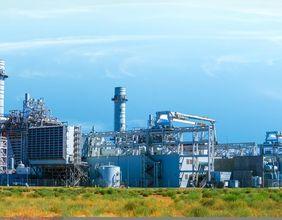
Enterprise Products Partners operates extensive energy infrastructure across North America, with pipelines, processing plants, and export terminals contributing to activity associated with the NYSE Composite.
Enterprise Products Partners operates within the midstream energy segment, a sector responsible for transporting, processing, and storing hydrocarbons that move through the global energy supply chain. Within this segment, Enterprise Products Partners (NYSE:EPD) maintains a large infrastructure network across North America that connects production areas with refining, petrochemical manufacturing, and export facilities. Market activity involving the partnership frequently appears alongside broader index movements such as the NYSE Composite, which reflects trading performance across many companies listed on the New York Stock Exchange.
Midstream Energy Infrastructure
Enterprise Products Partners (NYSE:EPD) manages a vast collection of assets that support the movement and processing of hydrocarbons. These assets include pipelines, storage terminals, fractionation facilities, and processing plants. Infrastructure spans multiple energy commodities, including natural gas, natural gas liquids, crude oil, refined fuels, and petrochemical feedstocks.
Midstream operators form a critical link between exploration activity and downstream manufacturing or distribution. Hydrocarbons produced in energy basins travel through pipeline systems before reaching processing plants or export terminals. Fractionation facilities separate mixed streams of natural gas liquids into individual products such as ethane, propane, and butane. Storage infrastructure helps regulate supply flows, while marine terminals enable shipments through coastal export channels.
Enterprise Products Partners maintains operations across several energy producing regions in the United States, including major shale basins and Gulf Coast industrial corridors. These locations connect upstream producers with refineries, petrochemical plants, and global shipping routes. Pipeline networks extend through multiple states and connect with inland storage and processing centers.
Operations Across the Energy Supply Chain
The operational structure of Enterprise Products Partners reflects the complexity of the midstream sector. Activities include gathering services that transport raw hydrocarbons from production sites to centralized processing facilities. Natural gas processing plants remove impurities and separate valuable liquid components from gas streams.
Another important activity involves fractionation, a process that divides mixed natural gas liquids into usable products required by chemical manufacturing and fuel distribution systems. Enterprise Products Partners maintains several fractionation complexes located along the Gulf Coast region, which serves as a major hub for petrochemical activity and export trade.
Transportation services extend through an extensive network of pipelines carrying natural gas liquids, crude oil, and refined fuels. Marine terminals connected to coastal ports allow shipments of hydrocarbon products to move toward international markets. Storage caverns and above-ground tanks support logistical coordination between production, processing, and distribution.
Market Developments and Institutional Participation
Market attention surrounding Enterprise Products Partners (NYSE:EPD) often reflects developments within the energy sector and changes in trading activity involving large asset managers. Institutional ownership represents a notable portion of the partnership’s outstanding units, with participation from insurance companies, financial institutions, and energy-focused funds.
Filings released through regulatory channels periodically reveal adjustments in unit positions by various institutions. Such filings document transfers of ownership, portfolio reallocations, or the establishment of new positions within the partnership. These disclosures provide insight into participation patterns within publicly traded energy infrastructure entities.
Trading volume associated with the partnership fluctuates across different sessions depending on broader market sentiment and developments within the energy sector. Activity occasionally aligns with announcements related to operational performance, infrastructure expansion projects, or adjustments in market coverage issued by research firms.
Financial Performance and Distribution Structure
Midstream partnerships often operate under a master limited partnership structure, which combines features of publicly traded companies with partnership-based distribution models. Enterprise Products Partners distributes cash generated through operating activities to unitholders through periodic distributions.
Operational results released during recent reporting periods included revenue from transportation, processing, and terminal services. These results reflect the scale of infrastructure involved in gathering hydrocarbons, separating natural gas liquids, and moving products through pipelines toward refining or export centers.
Distribution announcements accompany financial reporting cycles and indicate adjustments to cash distributions delivered to unitholders. These distributions remain a defining feature of the master limited partnership model commonly used by midstream energy entities operating on public exchanges.
Role Within the Broader Market Environment
Energy infrastructure entities frequently appear within discussions surrounding the NYSE Composite, which aggregates performance across companies listed on the New York Stock Exchange. Market observers often examine trading patterns among energy transportation partnerships alongside movements across broader market benchmarks.
Enterprise Products Partners remains part of the network of companies contributing to activity within this broader market environment. Pipeline operators, energy transport partnerships, and storage facility operators collectively form an important segment of exchange-listed companies associated with hydrocarbon logistics and industrial supply chains.
Operations supporting natural gas liquids, crude oil transportation, and export infrastructure connect the partnership with domestic production trends and international energy flows. These connections highlight the operational scope of midstream infrastructure companies operating within the public market framework represented by the NYSE Composite.
