
 AUS
AUS
 NZ
NZ
 UK
UK
 CA
CA
 USA
USA
 IND
IND

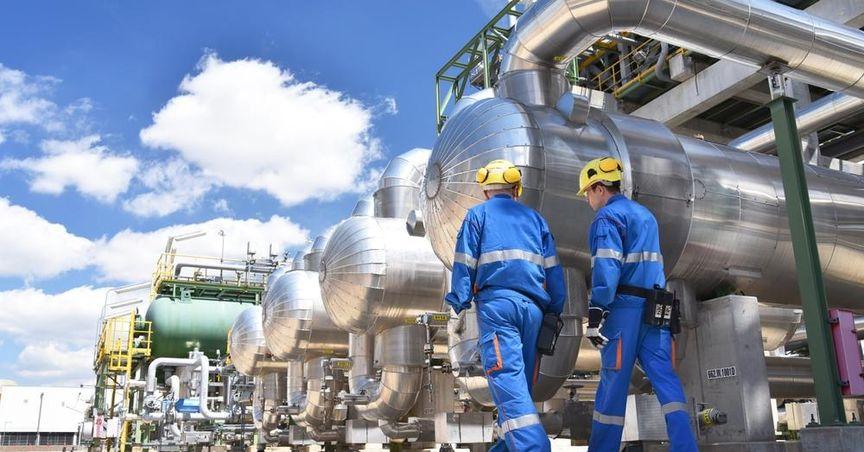




Highlights
- Overview of broader energy sector forces influencing Matador Resources
- Examination of operational themes within the upstream exploration domain
- Contextual review of sector-wide patterns shaping resource-focused enterprises
Comprehensive review of Matador Resources within the energy extraction sphere, highlighting operational structures, sector influences, and field-level dynamics shaping upstream activity.
Matador Resources (NYSE:MTDR) operates within the upstream exploration and production segment of the energy sector, a space shaped by evolving extraction practices, shifting commodity flows, and continual adjustments across onshore resource environments. The broader sector continues to be defined by geological assessments, field development strategies, and structural movements within global supply channels. Within this landscape, enterprises in the resource extraction domain maintain activity around field development, reservoir evaluation, and operational efficiency, contributing to the overall character of the sector.
Exploration Frameworks Within the Energy Extraction Sphere
The exploration sphere remains central to the identity of upstream operators, with geological interpretation, basin mapping, and subsurface modelling forming the core foundation of activity. In this segment, land management frameworks, access agreements, and resource estimation practices serve as ongoing features of operational planning. Shale formations and varied sedimentary basins across prominent producing regions continue to influence extraction methods, project timelines, and overall sector momentum.
The broader energy extraction environment is shaped by field delineation processes, well-placement evaluations, subsurface assessments, and reservoir management. This landscape is dynamic, with companies adapting to differing rock compositions and evolving approaches to well design. The upstream environment also reflects continual refinements in horizontal drilling practices, stimulation techniques, and efficiency improvements designed to support consistent project execution. These structural activities define the operational character of enterprises within this segment and contribute to overall sector rhythm.
Operational Themes Across Resource Development Activities
Matador Resources (NYSE:MTDR) operates within a field environment defined by coordinated resource development activities such as site preparation, drilling schedules, project sequencing, and ongoing field maintenance. For upstream operators like MTDR, development strategies rely on integrated field infrastructure, including gathering networks, operational hubs, and transportation links. These components influence workflow efficiency and shape how quickly field tasks progress.
Advancements in extraction technology continue to expand capabilities across shale regions, prompting refinements in completion design, water management, and recovery methods. For Matador Resources, operational themes emphasize reliability, safety frameworks, and logistical alignment. Core priorities—reservoir optimization, surface management, and well integrity assurance—remain central to sustaining field performance across its producing areas.
As MTDR navigates shifts in drilling intensity, activity cycles, and service availability, development patterns evolve accordingly. These dynamics define the operational rhythm of upstream enterprises and contribute to the broader landscape of resource development. As extraction practices advance, well-site processes reflect a combination of geological insight, engineering application, and coordinated logistics.
Sector Forces Guiding Upstream Activity
Matador Resources (NYSE:MTDR) operates within an upstream sector shaped by global supply movements, transportation networks, regulatory frameworks, and geological conditions. These factors create a complex operating environment where field-level activity intersects with broader market patterns.
Key structural components—resource availability, basin characteristics, surface conditions, and infrastructure access—play a defining role in MTDR’s development strategies. The interaction of these elements influences the pace and form of onshore progress. Broader energy flows, trade patterns, and transportation corridors further affect the structure of the sector in which Matador operates.
Project cycles in onshore exploration typically follow multi-stage workflows—planning, surveying, drilling, completion, and integration. For Matador Resources, each phase requires coordination across engineering teams, geological assessment groups, and field operations. Cycle duration varies by terrain, geological complexity, service capacity, and infrastructure connectivity, producing distinct patterns across MTDR’s operating regions.
Upstream Trends Shaping Sector Progression
The upstream landscape continues to shift as companies like Matador Resources (NYSE:MTDR) refine extraction techniques and adapt to regional variability. Reservoir performance evaluations, stimulation designs, and field optimization strategies influence MTDR’s development programs. Basin-specific characteristics guide drilling plans, well spacing, and long-term field integration.
Technological improvements continue to drive changes in drilling speed, trajectory accuracy, completion structures, and field connectivity. Across shale-focused regions, the continued refinement of horizontal drilling and multi-stage completions contributes to MTDR’s evolving operating practices. Enhanced field-data systems and remote monitoring further support project continuity and safety measures.
MTDR also engages in ongoing improvements across water handling, sand logistics, and flowback processes. These aspects shape operational efficiency and affect project timelines, contributing to broader sector adjustments as geological environments vary.
Field Development Patterns Influencing Production Areas
Field development patterns for Matador Resources (NYSE:MTDR) differ across regions based on geological composition, acreage structure, and available infrastructure. Basin-specific traits determine the extent of development corridors, cluster spacing, and the layout of operational sites.
In areas with multi-layered shale formations, MTDR’s development strategies often reflect varied geological targets. Reservoir depth, rock quality, and fluid behavior influence drilling objectives and shape field sequencing. These features direct the deployment of drilling and completion equipment across MTDR’s projects.
Within this framework, the integration of gathering systems, surface facilities, and transportation links remains essential to maintaining steady operational flow. The alignment between subsurface planning and surface coordination shapes MTDR’s field environment and supports long-term sector development.
Resource Extraction Dynamics Across Onshore Regions
Across prominent onshore regions, extraction dynamics are influenced by reservoir composition, well performance behavior, and evolving engineering practices. The upstream segment reflects a continual adjustment process shaped by reservoir monitoring, production optimization techniques, and field-level equipment maintenance.
Multi-disciplinary coordination between engineers, geoscientists, field supervisors, and surface operations groups remains integral to sustaining development activity. This collaboration supports well integrity management, reservoir pressure assessment, and continuous refinement of field strategies. In onshore shale environments, these dynamics are amplified by complex geological layering, necessitating responsive operational frameworks.
The upstream sector also reflects ongoing efforts to maintain efficiency across challenging terrains, varied surface conditions, and logistical constraints. The interaction of these elements shapes the operational cadence of resource-focused enterprises and influences ongoing extraction activity.
Industry Context Surrounding Matador Resources
Matador Resources functions within the broader upstream environment, reflecting many of the operational characteristics common to exploration and production enterprises. Activity typically involves a combination of drilling programs, geological assessment initiatives, and field-level execution strategies. As an enterprise in the energy extraction sector, Matador Resources engages in reservoir development, production management, and infrastructure coordination consistent with upstream operational frameworks.
The company’s focus on shale-rich regions underscores the broader dynamics shaping onshore extraction environments. These regions exhibit complex geological structures, varied rock compositions, and diverse reservoir characteristics. Field-level activity reflects the interplay between geological interpretation, engineering application, and continuous operational refinement.
The broader segment in which Matador Resources (NYSE:MTDR) operates continues to evolve as extraction technologies advance, basin characteristics shift, and field programs adjust to regional conditions. These dynamics shape the enterprise’s operational environment and contribute to the overarching character of the sector.
Broader Sector Landscape and Operational Continuity
The upstream energy landscape is shaped by reservoir management practices, drilling innovation, and evolving strategies for field integration. These sector features contribute to ongoing development cycles and influence the long-term structure of onshore operations. Activity across various basins reflects changing extraction techniques, technological improvements, and ongoing adjustments to geological realities.
Operational continuity within the upstream space depends on well site coordination, equipment reliability, and consistent adherence to safety frameworks. Enterprises operating in this segment typically navigate shifting terrain conditions, diverse reservoir structures, and varying logistical parameters. These elements collectively influence field-level execution and contribute to broader sector patterns.
As the energy extraction environment continues to transform, upstream enterprises adapt their operational approaches to reflect new engineering methods, improved field technologies, and enhanced monitoring systems. These developments shape the evolving landscape of onshore resource extraction and support the broader momentum of the sector.
Structural Elements Defining the Exploration and Production Environment
The exploration and production environment is characterized by subsurface modelling, drilling precision, completion design, and post-well monitoring. Each stage requires coordination across geological, engineering, and operational disciplines. These structural elements define the core activity of upstream enterprises and influence project sequencing.
Resource extraction also depends on surface infrastructure networks, including gathering systems, processing points, and transportation links. The availability and configuration of these systems influence project flow, development pacing, and field-level integration. The sector’s overall structure reflects a combination of subsurface planning, surface coordination, and ongoing operational refinement.
As exploration and production activity continues across shale-rich territories, the sector undergoes steady transitions shaped by geological complexity, operational challenges, and advancements in extraction technology. These shifts influence the development trajectories of enterprises within the energy landscape, including Matador Resources (NYSE:MTDR).
Energy Sector Interplay and Upstream Evolution
The upstream segment remains integral to the broader energy ecosystem, contributing to ongoing developments across extraction, transportation, and resource distribution channels. Activity within this segment reflects complex interactions between geological conditions, field operations, and evolving engineering methodologies.
The upstream environment continues to adjust as operators refine techniques for reservoir evaluation, drill-site planning, and well completion. These refinements influence both near-term and long-term operational patterns across the sector. The energy extraction landscape remains dynamic, with continuous adaptation shaping the ongoing evolution of upstream enterprises.
