
 AUS
AUS
 NZ
NZ
 UK
UK
 CA
CA
 USA
USA
 IND
IND






Highlights
- Global mining group positioned within the UK’s flagship large cap index.
- Operational footprint spans iron ore, aluminium, copper and lithium.
- Market attention follows sustained share strength across multiple reporting periods.
The global mining sector remains central to industrial supply chains, linking raw material extraction to manufacturing, infrastructure and energy systems across continents. Within this landscape, Rio Tinto Group (LSE:RIO) stands as one of the United Kingdom’s most prominent diversified miners and a constituent of the FTSE 100. Its portfolio across iron ore, aluminium, copper and lithium situates the group at the intersection of traditional resource demand and the evolving requirements of electrification and decarbonisation.
Position Within The FTSE Framework
Rio Tinto Group (LSE:RIO) forms part of the FTSE 100, the benchmark index representing the largest companies listed on the London Stock Exchange by market capitalisation. Inclusion in this index reflects scale, liquidity and a broad shareholder base, embedding the miner within portfolios that track the wider FTSE universe.
The group’s presence in the flagship benchmark also links it indirectly to movements across the FTSE all share, which aggregates performance from a broader set of UK listed equities. While Rio Tinto operates globally, its listing status and index membership tie its market profile closely to domestic equity sentiment and the trajectory of Indexftse Ukx.
Mining companies within the large cap segment often draw attention for their role in commodity supply rather than domestic consumption trends. This dynamic means that shifts in iron ore shipments from Western Australia, aluminium smelting operations in Canada, or copper output from South America can resonate through London trading sessions. As a result, Rio Tinto Group (LSE:RIO) serves as a conduit through which global resource cycles influence the daily rhythm of the UK’s headline index.
Sector weighting also matters. Materials businesses contribute meaningfully to the composition of the leading benchmark, and changes in their market standing can affect index balance. The company’s scale ensures that developments in production guidance, capital allocation strategy or portfolio reshaping are tracked not only by sector specialists but also by participants with exposure to broad based FTSE dividend stocks.
Operational Breadth Across Core Metals
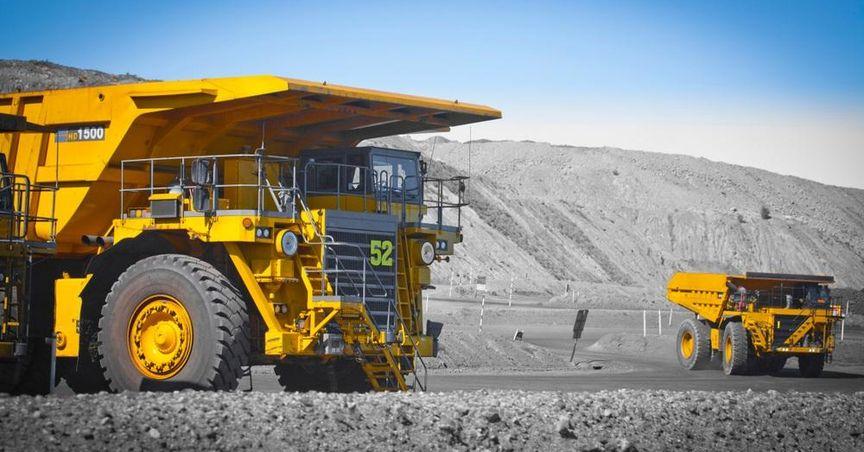
Rio Tinto Group (LSE:RIO) maintains a diversified suite of assets that stretches across continents and commodity categories. Iron ore remains central to the group’s identity, with large scale mining and export infrastructure supporting steel production worldwide. Aluminium operations span bauxite mining, alumina refining and smelting, forming an integrated chain from ore to finished metal.
Copper has grown in prominence as electrification themes gather pace. From grid expansion to renewable energy systems and electric mobility, copper underpins conductivity requirements. The group’s portfolio includes established copper mines as well as development projects aimed at extending resource life. Lithium exposure reflects participation in battery supply chains, adding another dimension to the company’s commodity mix.
Operational management within a diversified miner requires balancing geological complexity, regulatory frameworks and environmental stewardship. Each asset operates within its own jurisdictional context, from Australian mining codes to North American environmental standards. Logistics networks, port facilities and rail links form part of the infrastructure backbone that supports consistent shipments to global customers.
Commodity exposure introduces sensitivity to global industrial activity. Steel demand patterns influence iron ore shipments, while construction and packaging trends affect aluminium usage. Copper and lithium demand often align with technology adoption and energy transition initiatives. The company’s broad asset base allows it to participate across these varied demand streams, rather than relying on a single mineral narrative.
Sustained attention has followed share strength across several reporting periods. Market participants have assessed whether operational execution, portfolio composition and balance sheet positioning align with prevailing commodity conditions. In a diversified miner, valuation perspectives frequently weigh near term earnings against the cyclical nature of metals markets, as well as the durability of underlying resource reserves.
Market Valuation And Comparative Context
Valuation discussion around Rio Tinto Group (LSE:RIO) has centred on earnings multiples and discounted cash flow perspectives. Earnings based measures compare the company’s market quotation with reported profit per share, offering a snapshot of how the market appraises current performance relative to peers. Within the UK materials and mining segment, such comparisons provide context against other large cap resource groups.
Discounted cash flow approaches, by contrast, project expected cash generation and apply discount rates to estimate present value. Divergence between earnings multiples and discounted models can arise from differing assumptions about commodity demand, capital expenditure requirements or operational efficiency. In cyclical industries, small shifts in volume or realised commodity benchmarks can materially affect model outputs.
Recent share performance has prompted reassessment of whether the prevailing market level reflects underlying asset quality and resource longevity. Multi period strength may draw attention to the balance between current earnings visibility and longer horizon commodity cycles. Observers frequently evaluate whether the market embeds expectations about sustained demand for iron ore, aluminium, copper and lithium, or whether caution around cyclical swings tempers enthusiasm.
In the broader context of the FTSE 100, valuation signals from a major miner can influence index level dynamics. Given the weight of large resource companies within the benchmark, shifts in sentiment toward the materials segment can resonate beyond the sector itself. This interplay underscores how a single diversified group can shape perceptions of the wider UK equity landscape.
Commodity Cycles And Strategic Positioning
Commodity markets operate through cycles influenced by industrial expansion, infrastructure spending and technological change. For iron ore, construction activity and steel output form key demand drivers. Aluminium usage spans transportation, packaging and building materials, while copper’s role in electrification links it to renewable energy and grid upgrades. Lithium connects directly to battery production and energy storage systems.
Rio Tinto Group (LSE:RIO) positions its portfolio to capture exposure across these themes while maintaining operational discipline. Capital allocation decisions typically weigh sustaining expenditure at established mines against selective development of new deposits. Environmental and social considerations have become increasingly central to strategic planning, as stakeholders examine carbon intensity, water usage and community engagement practices.
Supply dynamics also shape the landscape. Bringing new mines into production involves extended development timelines, regulatory approvals and significant upfront expenditure. As a result, supply responses to rising demand can lag, reinforcing cyclical patterns. Established producers with existing infrastructure may therefore hold structural advantages during periods of strong commodity pricing.
At the same time, volatility remains inherent in resource markets. Shifts in trade flows, currency movements and macroeconomic conditions can alter realised commodity benchmarks. A diversified mix across iron ore, aluminium, copper and lithium provides some degree of balance, yet correlations between industrial metals can still emerge during broad economic transitions.
Within the UK market setting, the miner’s strategic direction is often interpreted through the lens of index representation. As a prominent component of the flagship benchmark, developments at Rio Tinto Group (LSE:RIO) contribute to narratives about the resilience of the materials segment and its role within the national equity framework.
Role In The Broader UK Equity Narrative
The United Kingdom’s leading index is frequently characterised by its exposure to global sectors such as energy, mining and financial services. Rio Tinto Group (LSE:RIO) exemplifies this international orientation. Although listed in London, operational revenues derive from a wide geographic base, connecting UK capital markets to resource demand in Asia, North America and beyond.
This global linkage shapes how domestic market movements are interpreted. Periods of strength in metals markets can bolster the performance of the large cap benchmark even when domestic economic indicators are subdued. Conversely, softness in commodity benchmarks may weigh on index levels despite resilience in other sectors. The miner’s scale ensures that such dynamics are visible within daily market commentary.
Attention to valuation metrics, commodity exposure and operational execution reflects the company’s standing as a bellwether for the materials segment. Discussion around earnings multiples or discounted cash flow estimates is not solely an academic exercise; it forms part of a broader assessment of how cyclical industries integrate within diversified portfolios tracking the UK market.
In this context, the question of whether Rio Tinto Group (LSE:RIO) remains aligned with its index status extends beyond short term share movements. It touches on structural themes such as resource scarcity, decarbonisation pathways and infrastructure renewal. As long as iron ore, aluminium, copper and lithium remain central to industrial systems, the group’s role within the UK’s principal benchmark is likely to remain a focal point of market discourse.
Market participants continue to evaluate how operational delivery, commodity exposure and valuation frameworks intersect. Within the architecture of the FTSE 100, Rio Tinto Group (LSE:RIO) represents both a traditional mining heritage and an evolving materials narrative shaped by technological and environmental change.
