
 AUS
AUS
 NZ
NZ
 UK
UK
 CA
CA
 USA
USA
 IND
IND

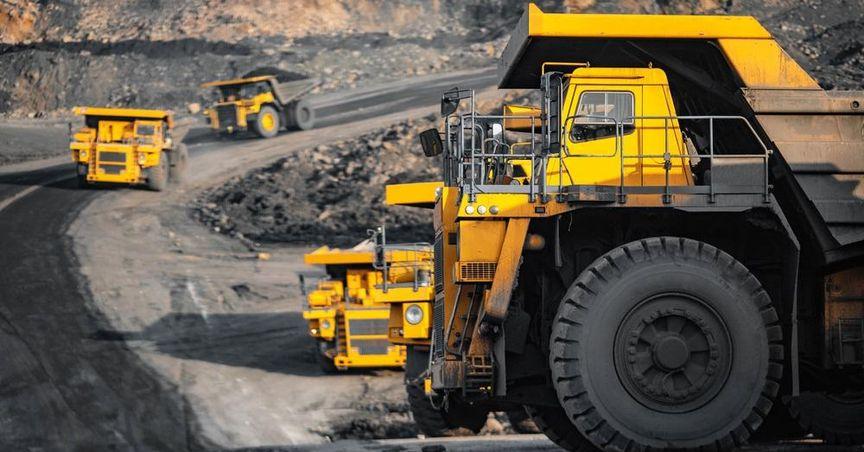





Highlights
- Rio Tinto (LSE:RIO) recorded stronger market activity as iron ore conditions remained relatively stable.
- Pilbara operations and Chinese steel sector demand continued to attract market attention.
- Copper production and output from Oyu Tolgoi remained important operational themes for the company.
Rio Tinto (LSE:RIO) operates within the global mining and metals sector and remains one of the most recognised resource companies listed on the FTSE 100. The company also forms part of the FTSE 350, placing it among the most closely followed businesses within the UK equity market. Activity surrounding Rio Tinto recently reflected renewed attention on iron ore and copper operations, while broader commodity markets experienced fluctuating conditions. As one of the major constituents of the UK mining segment, Rio Tinto remains closely associated with developments across the wider FTSE market landscape and the global steel production chain.
Rio Tinto Moves Higher as Commodity Markets Stabilise
Rio Tinto (LSE:RIO) experienced stronger trading activity in London as market participants responded to relatively stable conditions within the iron ore market. The company had previously faced a softer period of market performance, reflecting broader sentiment across mining shares and commodity-linked businesses. Recent trading coincided with a steadier backdrop for iron ore compared with several other raw materials.
The mining sector frequently reacts to developments in industrial commodities, and iron ore remains one of the most significant materials for global steel manufacturing. While various commodities experienced heightened fluctuations linked to international events and changing market sentiment, iron ore traded within a comparatively narrow range. This environment helped support attention on major iron ore producers such as Rio Tinto.
The company’s operational footprint in Western Australia continues to represent one of the largest seaborne iron ore supply networks globally. Production volumes from Pilbara remain central to Rio Tinto’s business activities. Consequently, movements across the iron ore market frequently attract significant interest from those monitoring the company.
Within the broader UK market, mining shares often influence sentiment across the FTSE landscape. Companies involved in natural resources, metals, and industrial commodities contribute substantially to benchmark indices. As a result, activity surrounding Rio Tinto can also attract attention from followers of the FTSE and the wider UK equity market.
Chinese Steel Demand Remains a Key Market Focus
China continues to occupy a dominant position within the global steel industry and remains a central component of discussions surrounding Rio Tinto (LSE:RIO). The country accounts for a substantial portion of worldwide steel production and remains one of the largest consumers of imported iron ore.
Developments within Chinese manufacturing, construction, and infrastructure sectors often influence demand for iron ore shipments. For major producers such as Rio Tinto, trends in Chinese steelmaking activity remain closely connected to operational performance and export volumes.
Recent customs figures highlighted variations in iron ore import activity, creating additional discussion around demand patterns. Market participants monitored shipment schedules, port inventories, and industrial activity to better understand the broader picture surrounding steel production requirements.
The relationship between Chinese steelmakers and international iron ore suppliers remains an important element of the global commodities landscape. Rio Tinto’s Pilbara operations continue to play a significant role in supplying high-quality iron ore to customers across Asia.
Alongside developments in China, broader themes such as infrastructure projects, manufacturing output, and industrial production continue to shape sentiment surrounding iron ore. These factors frequently influence discussions relating to mining companies listed across the UK market, including constituents of the FTSE 100.
Interest in mining stocks also extends to investors tracking the wider FTSE ecosystem. Related areas such as FTSE, FTSE all share, and Indexftse Ukx often attract attention when major commodity producers experience notable market activity.
Pilbara Operations Continue to Shape Company Activity
Pilbara remains one of Rio Tinto’s most important operating regions and continues to represent a cornerstone of its iron ore business. The area hosts extensive mining infrastructure, export facilities, rail networks, and processing operations that support large-scale production.
Operational efficiency within Pilbara remains an important focus area due to its direct connection with shipment volumes and supply commitments. Weather events, logistics management, maintenance schedules, and transportation infrastructure can all influence operational outcomes across the region.
During the latest operational period, Rio Tinto reported continued strength across Pilbara activities despite disruptions associated with seasonal weather conditions. Shipment activity remained supported by established infrastructure and ongoing operational management initiatives.
Pilbara’s importance extends beyond production volumes alone. The region also contributes significantly to the company's standing within global iron ore supply chains. Customers across multiple international markets rely on exports from the region to support steel manufacturing operations.
The scale of Pilbara operations further reinforces Rio Tinto’s position among leading mining companies represented within UK equity benchmarks. The company’s operational achievements often receive attention from those following developments across the FTSE 350] and broader mining sector.
In addition, the company remains connected to several themes commonly associated with UK market participants, including commodity exposure, industrial production, and resource sector performance. These themes frequently intersect with discussions surrounding FTSE dividend stocks, large-cap resource businesses, and major index constituents.
Copper Production Adds Another Dimension to Rio Tinto’s Portfolio
Although iron ore remains Rio Tinto’s largest business segment, copper continues to occupy an increasingly important position within the company’s operations. Copper is widely used across electrical infrastructure, industrial equipment, manufacturing systems, and modern technologies.
Recent operational updates highlighted stronger copper-equivalent production across Rio Tinto’s portfolio. The company recorded increased output from several copper assets, including activities associated with Oyu Tolgoi in Mongolia.
Copper-equivalent reporting allows the company to present production from multiple commodities using a common measurement framework. This approach provides a consolidated view of operational activity across various business segments.
Oyu Tolgoi remains one of the most significant copper developments within Rio Tinto’s portfolio. The project has attracted substantial industry attention due to its scale and contribution to global copper supply.
As mining companies continue to diversify their commodity exposure, copper remains a notable component of Rio Tinto’s broader operational framework. The metal’s relevance across industrial and infrastructure applications contributes to ongoing interest in production trends and project developments.
Within the UK market, resource companies with diversified commodity portfolios often attract attention due to their exposure to multiple segments of the global economy. Rio Tinto’s presence across both iron ore and copper markets reflects this broader operational structure.
Mining Sector Activity Continues to Influence UK Market Discussions
The mining sector remains one of the defining components of the UK equity market. Large resource companies contribute significant representation within benchmark indices and frequently influence broader market sentiment.
Rio Tinto (LSE:RIO), through its extensive operations across iron ore, copper, and other commodities, continues to occupy an important place within discussions surrounding the UK mining sector. Activity in global commodity markets often shapes attention toward companies operating across these segments.
Market participants regularly monitor developments affecting steel production, industrial demand, transportation networks, mining operations, and commodity supply chains. Each of these factors can contribute to changing perceptions surrounding resource-focused businesses.
The company’s operational updates continue to highlight production activity, shipment performance, and progress across key assets. Pilbara remains central to iron ore operations, while Oyu Tolgoi contributes significantly to copper production efforts.
Broader attention also extends to the company’s role within major UK indices. Membership within the FTSE 100 and FTSE 350] places Rio Tinto among the most visible businesses across the UK market, alongside other internationally recognised corporations.
As discussions surrounding commodities continue to evolve, Rio Tinto remains closely linked to developments in steelmaking, mining infrastructure, export activity, and global industrial production. These themes remain central to ongoing market attention surrounding the company and the wider mining sector.
