
 AUS
AUS
 NZ
NZ
 UK
UK
 CA
CA
 USA
USA
 IND
IND




Highlights
Gold strength contrasts with a calmer silver market
Mining shares gain attention amid global uncertainty
Investors shift toward tangible assets
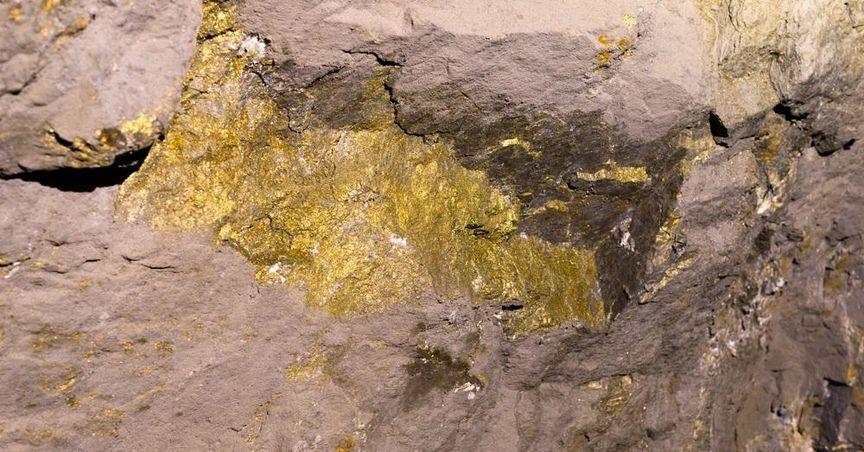
Global market tension is shaping investor behavior as gold maintains strength while silver steadies, drawing attention to mining shares and broader shifts across commodities and equity markets.
The global commodities landscape is entering a new phase as LSE mining stocks take center stage in conversations around stability and asset protection. Gold has maintained a strong upward direction, capturing attention from investors seeking refuge from shifting geopolitical and economic signals. At the same time, silver has shown a more measured tone, highlighting a contrast between two metals often seen moving in tandem. This divergence is reshaping sentiment across mining shares and prompting a closer look at how tangible assets fit into modern portfolios.
Gold’s Steady Momentum in a Changing World
Gold’s role as a traditional store of value has resurfaced with renewed interest. In recent trading sessions, the metal has continued to draw capital from market participants who view it as a shield against uncertainty. This shift reflects broader concerns about economic stability, currency movements, and geopolitical developments that can influence equity and bond markets.
The appeal of gold lies in its long-standing reputation as a physical asset that holds intrinsic value. Unlike digital or paper-based instruments, gold is tangible, which often enhances its appeal during periods of heightened market stress. As global conversations focus on trade policies, international relations, and fiscal strategies, gold’s presence in investment discussions has grown stronger.
Silver’s Distinct Path and Market Signals
While gold has maintained a firm direction, silver has followed a more independent path. Often seen as both a precious and industrial metal, silver’s value is influenced by manufacturing demand as well as investor sentiment. Recent movements suggest that silver is finding its own balance point, reflecting a mix of industrial usage and cautious optimism in the market.
This separation between gold and silver highlights how different economic drivers can influence each metal. Manufacturing trends, technological developments, and industrial supply chains play a larger role in shaping silver’s outlook, while gold remains closely tied to broader financial confidence and global stability.
Mining Shares in the Spotlight
The changing dynamics of precious metals have naturally drawn attention to mining companies. On the FTSE stock market, mining shares have experienced increased visibility as investors explore opportunities linked to physical resources. Among the notable names, Endeavour Mining PLC (LSE:EDV) has been observed as part of this broader trend, reflecting interest in companies connected to gold production and exploration.
Similarly, Pan African Resources PLC (AIM:PAF) and Hochschild Mining PLC (LSE:HOC) have been part of discussions around mining activity and market performance. These companies operate in regions and projects that contribute to the global supply of precious metals, making them relevant in conversations about resource availability and market stability.
The Role of Global Events in Shaping Sentiment
Global developments continue to influence how investors view both metals and equities. Trade discussions, diplomatic engagements, and economic policy shifts can quickly alter market confidence. As international forums and summits bring together world leaders, their statements and policy directions often ripple through financial markets.
These events can lead to increased volatility in traditional asset classes, prompting market participants to look toward alternatives. Tangible assets such as metals and commodities often gain attention in such environments, as they are perceived to be less directly tied to policy changes or currency fluctuations.
Safe Havens and the Search for Stability
The concept of a safe haven has become central to recent market behavior. Investors often look for assets that can offer a sense of security when traditional markets appear uncertain. Gold has historically filled this role, and its recent performance underscores this perception.
Beyond gold, other commodities such as copper, industrial metals, and rare earth elements are also part of this broader movement toward physical resources. These materials play essential roles in infrastructure, technology, and manufacturing, adding another layer of appeal for those seeking diversification.
Digital Assets and Shifting Preferences
While tangible assets are gaining attention, digital assets have experienced a different response. The contrast between physical commodities and virtual instruments highlights varying levels of confidence among investors. Some market participants prefer the ملمس of physical value, especially during times when economic narratives are uncertain.
This divergence in preferences illustrates how the investment landscape continues to evolve. Traditional and modern asset classes coexist, each appealing to different risk profiles and strategic goals.
The Broader Market Context
The movements in metals and mining shares are part of a larger story within the LSE & FTSE stock market. Indices such as the FTSE100, the FTSE 350, and the FTSE AIM 100 Index provide a snapshot of how different segments of the market are responding to global cues.
Mining companies often feature within these indices, reflecting their role in the broader economy. Their performance can influence index trends, particularly during periods when commodity prices draw heightened interest.
For readers exploring market segments, resources such as LSE dividend stocks and sector-focused insights offer a deeper understanding of how different industries contribute to overall market movement.
Investor Psychology and Market Behavior
Market behavior is shaped as much by perception as by data. When uncertainty rises, investor psychology often leans toward caution. This can lead to shifts in asset allocation, with a greater emphasis on resources perceived as stable or resilient.
The current environment highlights how narratives around safety, value, and long-term stability can influence decision-making. Gold’s continued appeal and silver’s measured stance reflect these underlying psychological factors at play.
The Importance of Diversification
Diversification remains a guiding principle for many market participants. By spreading exposure across different asset classes, investors aim to balance risk and opportunity. Metals, equities, bonds, and alternative assets each play a role in constructing a diversified approach.
Mining shares, in particular, offer a link between equity markets and physical commodities. This dual connection can make them attractive to those seeking a blend of growth potential and resource-based value.
Industry Insights and Market Outlook
The mining sector operates within a complex framework of exploration, production, and global demand. Environmental considerations, regulatory frameworks, and technological advancements all shape how companies operate and how markets perceive them.
As sustainability becomes a growing focus, mining companies are also navigating expectations around responsible sourcing and environmental stewardship. These factors add another dimension to how investors evaluate the sector.
Technology and Efficiency in Mining
Advancements in technology are transforming mining operations. From improved exploration techniques to more efficient extraction methods, innovation is helping companies optimize resources and reduce environmental impact. These developments can influence market sentiment, as efficiency and sustainability become increasingly valued.
Connecting Metals to the Global Economy
Precious and industrial metals are deeply intertwined with the global economy. Gold often reflects financial confidence, while silver and other industrial metals are closely linked to manufacturing and technological progress. Together, they offer insights into both economic stability and growth trajectories.
The current contrast between gold’s strength and silver’s steadier movement provides a snapshot of how different economic forces are at work. It underscores the complexity of global markets and the multiple factors that influence asset performance.
Resources for Market Exploration
For those interested in exploring market trends further, platforms that track LSE mining stocks, FTSE100, and broader market indices provide valuable context. These resources help readers understand how individual sectors fit into the larger financial picture.
By examining sector-specific data alongside global economic developments, market participants can gain a more comprehensive view of how commodities, equities, and investor sentiment interact.
A Market Shaped by Tangible Value
The current market environment highlights a renewed focus on tangible value. Gold’s continued strength and silver’s independent path reflect broader themes of stability, industrial demand, and investor psychology. Mining shares, as a bridge between physical resources and equity markets, remain an important part of this narrative.
As global events continue to unfold, the relationship between commodities and financial markets will likely remain a key area of interest. Understanding these dynamics offers valuable insight into how markets adapt to change and where attention may turn in the future.
