
 AUS
AUS
 NZ
NZ
 UK
UK
 CA
CA
 USA
USA
 IND
IND




Highlights
Tariff tensions between the United States and China affect worldwide financial markets.
Equity fluctuations observed across Europe, Asia, and the Americas.
Monetary policies and corporate operational adjustments play a role in market responses.
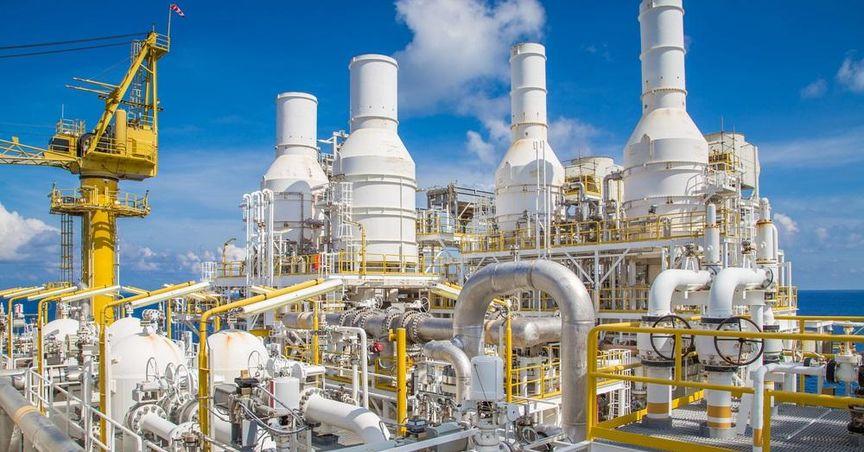
The global financial landscape experiences shifts as tariff disputes between major economies create uncertainty. Various sectors, including technology and manufacturing, encounter challenges stemming from altered trade policies. Industries such as energy and heavy industry, along with financial institutions like Shell PLC (LSE:SHEL), remain under scrutiny as market conditions adjust in response to these international trade measures.
Effects of Tariff Measures
Recent declarations from United States authorities regarding tariffs on imported goods have triggered movements in global equity markets. A clash in trade policies with China has led to reciprocal measures, which in turn affect market values across continents. European stock exchanges witness noticeable adjustments, and similar developments appear in markets across Asia and the Americas. These shifts stem from the immediate impact of trade measures on supply chains and production costs, with a clear reflection in market pricing dynamics.
Changes in Commodity Prices
Crude oil prices have experienced a decline that parallels the volatility witnessed in equity markets. Lower oil price levels have drawn attention from major energy companies such as Shell PLC (LSE:SHEL), as fluctuations in demand and shifts in economic activity come under review. This movement in commodity values further contributes to the broader sentiment in financial markets, where pricing pressure in one sector resonates throughout the global economic framework.
Monetary Policy and Market Observation
Central banking authorities remain active in their observation of these evolving market conditions. Adjustments in interest rate policies and monetary measures have been implemented with the aim of sustaining financial stability amid heightened international trade tensions. Financial institutions and regulatory bodies maintain close oversight of currency exchanges and credit conditions as global markets react to shifting fiscal policies. These monetary actions underscore an environment in which policy measures play an integral part in addressing disruptions brought about by trade disputes.
Corporate and Operational Adjustments
Across various sectors, corporations engage in refining operational structures to navigate the effects of tariff disputes. Companies that span diverse production regions and possess adaptable supply chains have realigned their internal protocols to meet current economic challenges. Firms such as Volex PLC have restructured their operations to better manage external pressures while sustaining everyday activities. This realignment encompasses strategic reallocation of resources and measured modifications to internal workflows, reinforcing the capacity to maintain business continuity under evolving market conditions.
The unfolding situation in global trade and finance remains marked by interconnected responses among commodity pricing, equity market adjustments, and monetary policy adaptations. Observers note that the interplay of these factors continues to shape the financial stability of economies around the world, with coordinated operational changes from key market participants underscoring this transformative period in international trade.
