
 AUS
AUS
 NZ
NZ
 UK
UK
 CA
CA
 USA
USA
 IND
IND







Highlights
- Spire Healthcare Group PLC (LSE:SPI) is an independent healthcare group operating a chain of 39 hospitals and 8 clinics across the United Kingdom.
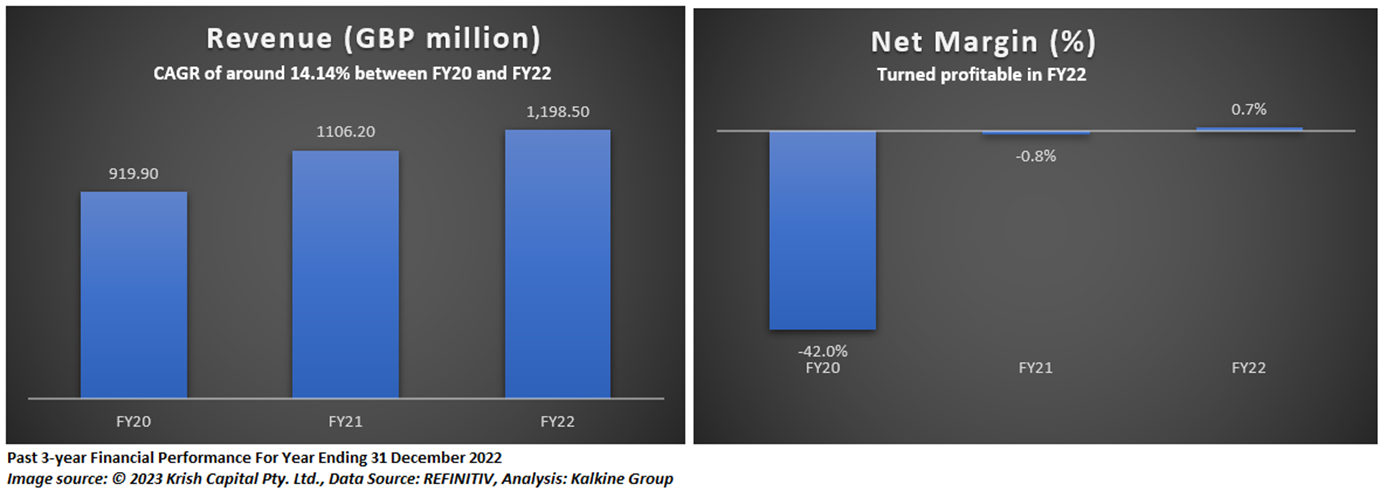
- In the first half of the year 2023, SPI witnessed a 13.1% year-on-year growth in its top-line that was recorded at £676.5 million for the period.
- SPI paid a final dividend of 0.50 pence per share attributable for the fiscal year 2022.
FTSE 250 index listed Spire Healthcare Group PLC (LSE:SPI) is an independent healthcare group based in the United Kingdom. The company is operating a chain of 39 hospitals and 8 clinics across UK.
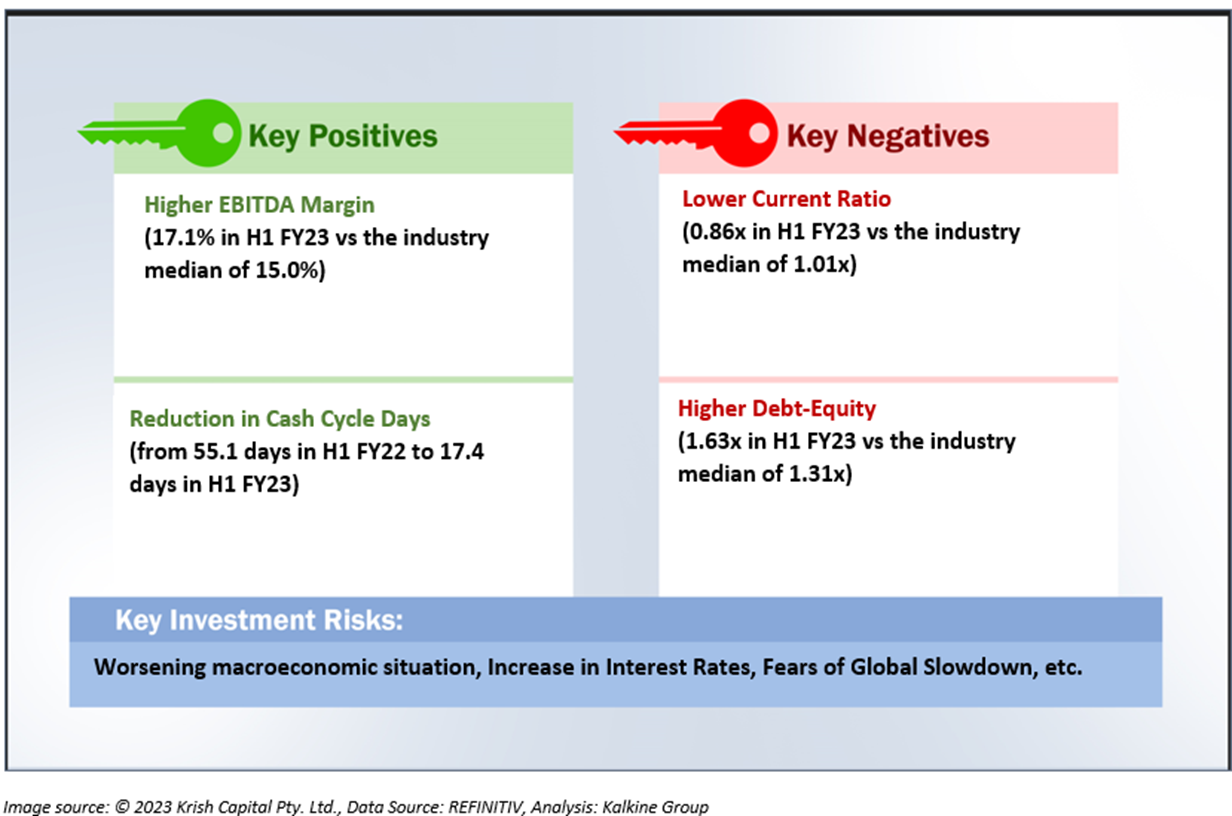
Spire Healthcare has entered into multi-year agreements with Bupa, Aviva and Vitality, with the aim of growing its revenue. In the first half of the year 2023, SPI witnessed a 13.1% year-on-year growth in its revenue that was recorded at £676.5 million for the period. It was primarily because of the increase in demand in H1 FY23. Also, the company turned profitable at the bottom-line level in H1 FY23 as compared to a net loss posted in H1 FY22.
SPI paid a final dividend of 0.50 pence per share attributable for the fiscal year 2022. As of 30 June 2023, the company had a net bank debt / EBITDA covenant ratio of 2.1x. According to the company, it is on track to register another £15 million of cost savings for the full fiscal year 2023.
Top 10 shareholders
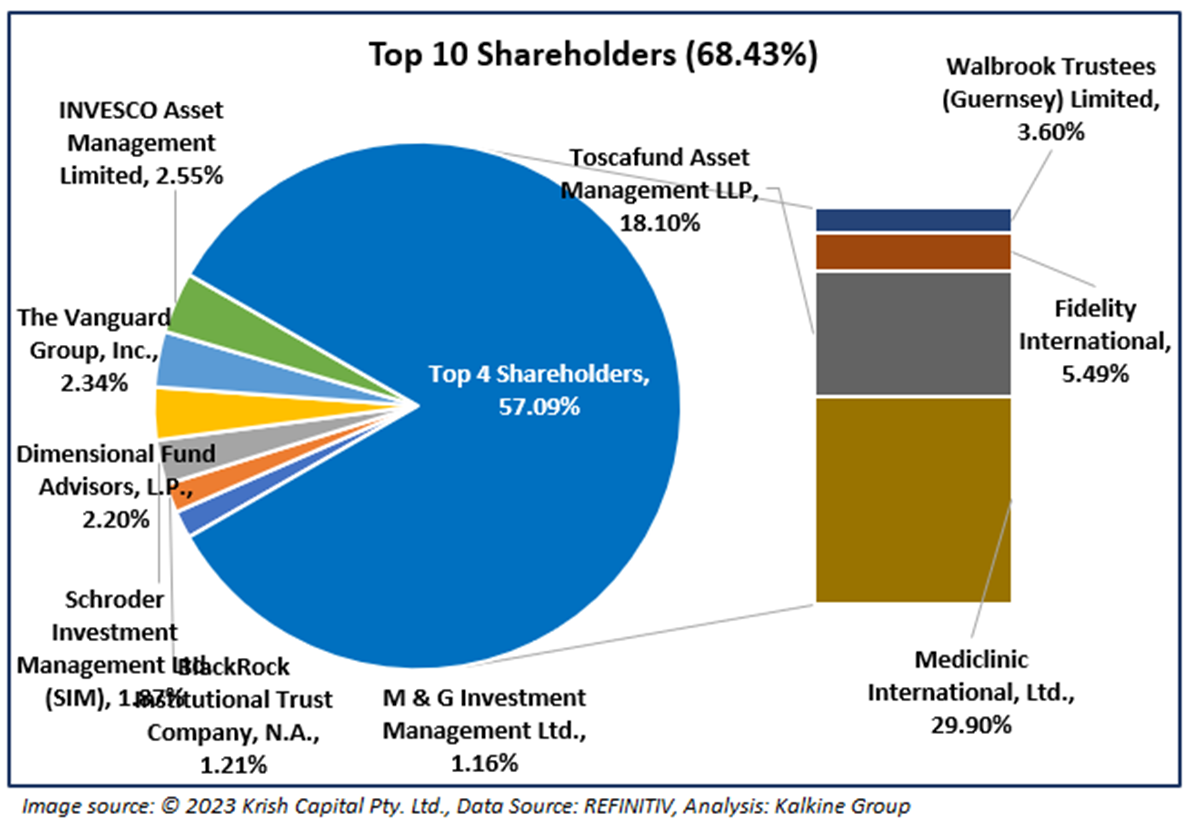
Approximately 68.43% of the total shareholdings in SPI is held by its top ten shareholders collectively. Mediclinic International, Ltd. is the biggest shareholder of the company with over 29% stake, while Toscafund Asset Management LLP holds 18.10% shares.
Stock price Performance
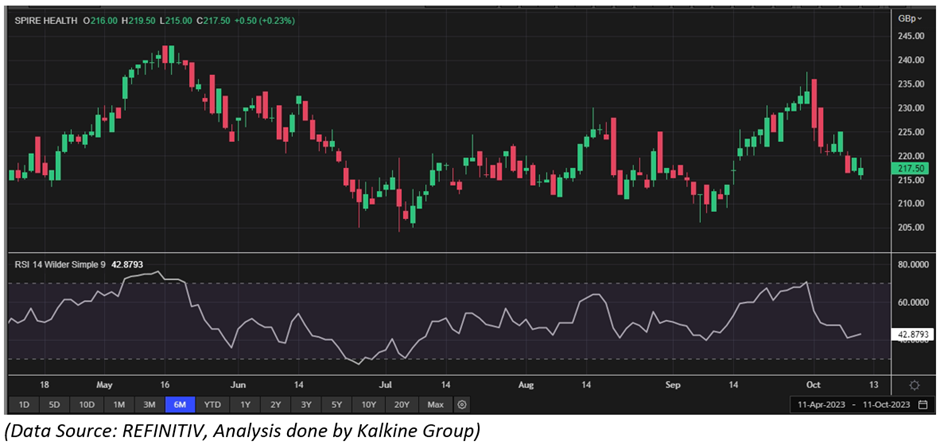
SPI’s stock price has jumped 3.41% in the last one month. It has levelled up by 1.73% over the last six months. The stock’s 52-week low and high price stand at GBX 202.00 and GBX 252.50, respectively.
Note 1: Past performance is not a reliable indicator of future performance.
Note 2: The reference data for all price data, currency, technical indicators, support, and resistance levels is 11 October 2023. The reference data in this report has been partly sourced from EODHD/Others.
