
 AUS
AUS
 NZ
NZ
 UK
UK
 CA
CA
 USA
USA
 IND
IND







Summary
- Britain reported 1,610 deaths in a day from coronavirus infections on Tuesday.
- The nation continues to grapple with the new strain which is highly infectious and easily transmissible.
- Healthcare officials have warned that there could be a further rise in the number of daily deaths.
The daily number of deaths reported in the UK touched a new high of 1,610 on Tuesday, 19 January, even though the number of new cases dropped to 33,355 for the day from a high of 55,761 on 16 January. This has taken the total death toll to 91,470 across the nation, according to the official data.
The latest government antibody statistics revealed that the number of coronavirus cases rose from 9 per cent in November to 12 per cent in December in England. Further, the government blood test analysis figures revealed that 1 in every 13 people in Northern Ireland, 1 in 11 individuals in Scotland, and 1 in 10 people in Wales are likely to be affected by the virus.
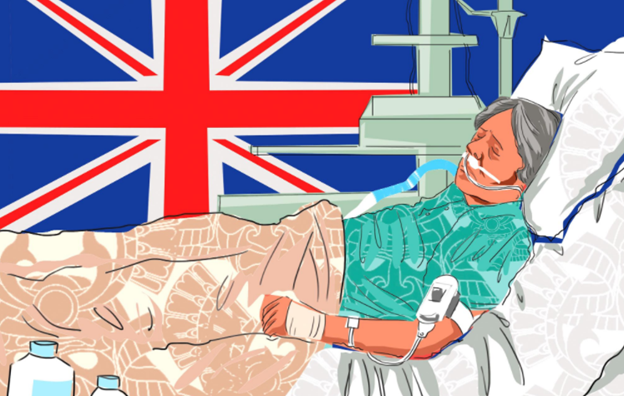
(Image source: ©Kalkine Group 2021)
Moreover, a report released by the Cambridge University's Medical Research Council last week highlighted that close to 30 per cent of London’s population is infected with the virus.
Meanwhile, the ongoing lockdown has lowered the incidence of new cases by almost 20 per cent over the last week. The third lockdown was imposed on 4 January across England and Scotland, after the more transmissible virus variant was discovered.
On the other hand, the nation is going ahead with a massive vaccination programme with more than four million Brits already having received their first dose. The government intends to inoculate 15 million people by mid-February.
Death numbers could rise further
However, the government health officials have cautioned that the number of coronavirus deaths are likely to rise further, although the number of cases has started to fall. One of the reasons for this trend is the infections are dropping at a slower rate among the older and vulnerable people as compared to the younger individuals, explained Professor Andrew Hayward, director, University College London.
Yvonne Doyle, Medical Director, Public Health England, has already warned that people should continue to abide by the rules to ensure that the new cases keep dropping at a faster pace over time.
Critical care wards in England full
Patients needing intensive care are increasing in England. In fact, ten hospital trusts have no critical care beds, as per the latest government figures. This number of full capacity trusts for adult critical care has risen from four to ten within a short span of one week.
The National Health Service (NHS) has already warned that if the trend continues, the hospitals in England could soon hit the limit of their capacity within the next few days itself.
Moreover, while the NHS trusts were faced with an increasing number of Covid-19 hospital admissions, more ICU beds were also needed for non-Covid patients.
In case of bed shortages, the national healthcare body was trying to move patients to other hospitals as necessary, but there was a limit to the availability of trained critical care staff.
