
 AUS
AUS
 NZ
NZ
 UK
UK
 CA
CA
 USA
USA
 IND
IND





Highlights
- Canadian electricity generator with diversified assets across thermal, hydro, and renewables
- Operations closely tied to evolving power demand patterns in Alberta and Ontario
- Positioned within the utilities segment of the S&P/TSX Composite Index
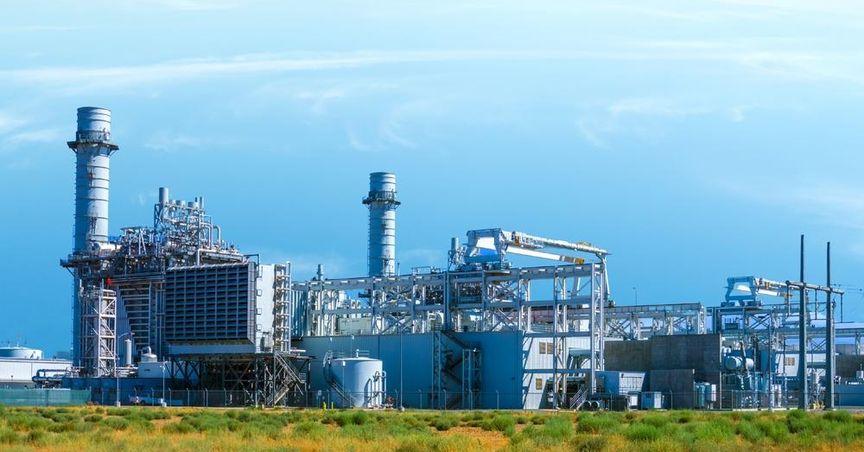
TransAlta (TSX:TA) operates within the utilities sector, focusing on electricity generation, energy trading, and related infrastructure across Canada, the United States, and Australia. The company’s asset base includes natural gas-fired plants, hydroelectric facilities, wind farms, and solar installations, reflecting a diversified generation portfolio aligned with changing electricity demand patterns.
As part of the S&P/TSX Composite Index, the company represents a segment of Canada’s established Utility Stocks, where stable generation capacity and contracted power arrangements play a central role in operations. Its facilities are concentrated in Alberta, Ontario, and Western Australia, regions characterized by evolving regulatory frameworks and shifting supply-demand balances.
Electricity production remains the core business activity, supported by long-term agreements and merchant exposure in deregulated markets. The company also participates in wholesale power markets, where output is sold based on prevailing electricity prices.
Asset Portfolio and Generation Mix
The generation portfolio reflects a mix of legacy and newer assets. Natural gas facilities account for a significant portion of installed capacity, offering dispatchable power that can respond to fluctuations in demand. Hydroelectric assets contribute baseload supply, while wind and solar installations represent a growing share of renewable capacity.
Hydro assets, primarily located in Alberta and British Columbia, provide stable output and operational flexibility. Wind farms across Alberta and the United States add renewable capacity, while solar projects have been introduced in response to decarbonization trends within the power sector.
Thermal assets, including coal-to-gas converted plants, remain integral to operations in Alberta. These facilities support grid reliability while transitioning toward lower-emission fuel sources. The diversification of generation types allows adaptation to regional market conditions and regulatory requirements.
Market Dynamics and Regional Exposure
Electricity markets in Alberta and Ontario play a central role in operational performance. Alberta’s deregulated market exposes generation assets to price variability influenced by supply additions, demand growth, and fuel costs. Ontario’s market includes a mix of regulated and contracted arrangements, providing a different revenue structure.
Rising electricity consumption linked to electrification, including industrial activity and data infrastructure expansion, has influenced demand patterns in key operating regions. At the same time, additional renewable capacity entering the grid has affected pricing dynamics, particularly during periods of high generation from wind and solar sources.
TransAlta (TSX:TA) maintains a presence in Western Australia through gas-fired and renewable assets, extending geographic diversification beyond North America. This international exposure introduces additional regulatory and market frameworks, contributing to a broader operational footprint.
Contract Structures and Revenue Streams
Revenue generation is supported by a combination of long-term power purchase agreements and merchant market participation. Contracted assets provide predictable cash flows through fixed-price agreements with utilities and industrial customers. Merchant exposure allows participation in spot electricity markets, where revenues fluctuate based on real-time pricing.
Energy trading activities complement generation operations by optimizing output and managing market positions. These activities involve the purchase and sale of electricity and related commodities, aligning generation with market demand conditions.
Capacity payments and ancillary services also contribute to revenue streams, particularly in markets where grid stability and reliability services are compensated separately from energy production.
Infrastructure and Energy Transition Developments
The transition toward lower-emission energy sources has influenced capital allocation and asset development. Conversion of coal-fired facilities to natural gas has reduced emissions intensity while maintaining generation capacity. Renewable energy projects, including wind and solar installations, continue to expand the portfolio.
Battery storage and grid-support technologies have emerged as additional areas of development, supporting integration of intermittent renewable generation. These systems enhance grid stability by storing excess energy and supplying power during periods of high demand.
Infrastructure upgrades across existing facilities aim to improve efficiency and extend operational lifespans. These projects include turbine enhancements, digital monitoring systems, and maintenance programs designed to optimize performance.
Within the S&P/TSX Composite Index, utilities companies are adapting to regulatory frameworks that emphasize emissions reduction and renewable integration. This trend shapes project pipelines and operational adjustments across the sector.
Industry Position Within Canadian Utilities
The Canadian utilities landscape includes a mix of regulated and deregulated entities, each with distinct operational models. TransAlta (TSX:TA) operates with a hybrid approach, combining contracted assets with merchant exposure, distinguishing it from fully regulated peers.
Competition within the sector includes independent power producers and vertically integrated utilities, each participating in generation, transmission, or distribution. Market positioning is influenced by asset diversification, regional exposure, and the balance between contracted and market-based revenue.
The broader utilities segment within the S&P/TSX Composite Index reflects ongoing structural changes driven by energy transition policies, technological advancements, and evolving consumption patterns. Companies in this segment continue to adjust asset portfolios and operational strategies in response to these factors.
