
 AUS
AUS
 NZ
NZ
 UK
UK
 CA
CA
 USA
USA
 IND
IND





Highlights
- Equipment distribution supports mining, construction, and energy sectors
- Service and parts operations provide continuity across cycles
- Presence in TSX Small Cap Index reflects industrial market exposure
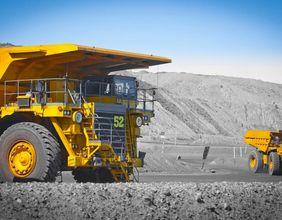
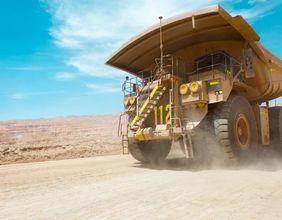
Wajax Corporation operates in the industrial products and services sector, supplying equipment, parts, and maintenance solutions across Canada. The company’s activities align closely with heavy industries such as mining, construction, and energy. As part of the TSX Small Cap Index, it represents a segment of the market that reflects operational activity in resource-driven industries. The company is commonly associated with Industrial Stocks due to its distribution-focused business model.
National Distribution Network
Operations extend across a broad Canadian footprint, supported by a network of branches and service centers. This infrastructure enables the delivery of equipment and aftermarket services to customers in remote and urban locations alike.
The business model includes the distribution of heavy machinery, industrial components, and engineered products. Equipment categories range from construction machinery to power systems, reflecting the needs of diverse industrial clients. Geographic reach plays a central role in maintaining service continuity across regions with varying levels of industrial activity.
Wajax Corporation (TSX:WJX) maintains relationships with original equipment manufacturers, allowing access to recognized brands and specialized machinery. These partnerships support product availability and technical support for end users.
Equipment, Parts, and Service Integration
A defining feature of the business lies in the integration of equipment sales with aftermarket services. Initial equipment transactions are complemented by ongoing demand for replacement parts, maintenance, and repair services.
Service operations include diagnostics, refurbishment, and field support. These activities extend the lifecycle of machinery and contribute to operational efficiency for customers. Parts distribution ensures the availability of critical components required for uninterrupted industrial operations.
This integrated approach allows continuity in business activity beyond one-time equipment transactions. Service engagement often continues throughout the operational life of machinery, forming a consistent component of overall operations.
Role Within the TSX Small Cap Index
The TSX Small Cap Index includes companies with relatively smaller market capitalization compared to larger Canadian benchmarks. Within this index, industrial distributors occupy a niche that reflects real-time economic activity.
Wajax Corporation (TSX:WJX) serves as an indicator of industrial demand trends, particularly in sectors reliant on heavy equipment and infrastructure development. Movements in construction, mining, and energy projects often influence order volumes and service requirements.
The company’s inclusion in this index highlights its scale within the small-cap segment and its connection to Canada’s broader industrial landscape.
Exposure to Resource and Infrastructure Activity
Demand for industrial equipment and services is closely tied to activity levels in resource extraction and infrastructure development. Mining operations require continuous machinery support, while construction projects depend on equipment availability and maintenance.
Energy sector operations also rely on specialized equipment, including power systems and material handling solutions. Changes in project timelines or production levels can influence equipment utilization and service requirements.
Industrial distributors such as Wajax function as intermediaries between manufacturers and end users, ensuring that machinery and components are accessible when required. This role places the company within the operational backbone of multiple industries.
Service Revenue and Operational Stability
Service-related activities form a recurring component of the business model. Maintenance contracts, repair work, and parts replacement contribute to ongoing engagement with customers.
These services support equipment uptime and extend operational efficiency across industrial fleets. Field service teams provide on-site assistance, while in-shop facilities handle more complex repairs and overhauls.
The combination of service and parts operations provides continuity during periods when equipment demand fluctuates. This balance contributes to a steady flow of operational activity across varying market conditions.
Industry Trends and Sector Positioning
Within the Industrial Stocks category, distribution companies play a supporting role in enabling large-scale industrial projects. Demand patterns are influenced by infrastructure spending, commodity production, and construction cycles.
Technological developments in equipment, including automation and efficiency improvements, also shape product offerings. Distributors must adapt to evolving machinery requirements and maintain technical expertise across product lines.
Environmental considerations and regulatory requirements continue to influence equipment standards, particularly in emissions and energy efficiency. These factors affect both equipment selection and maintenance practices.
Operational Capabilities and Partnerships
The company collaborates with equipment manufacturers to supply specialized machinery tailored to industry requirements. These relationships support inventory availability and technical knowledge sharing.
Operational capabilities include logistics, warehousing, and customer support services. Efficient supply chain management ensures timely delivery of equipment and parts across a geographically dispersed customer base.
Training and technical support are also integral components, enabling customers to operate and maintain equipment effectively. This enhances long-term relationships and supports continued engagement.
