
 AUS
AUS
 NZ
NZ
 UK
UK
 CA
CA
 USA
USA
 IND
IND

_07_12_2023_11_05_52_936360.jpg)




Highlights
- Smaller Canadian companies operate across industrial, technology, mining, and business-services industries.
- Sector-specific developments continue to shape activity within the Canadian small-cap segment.
- Market breadth remains an important feature of performance across emerging and expanding businesses.
Construction, software, and specialty manufacturing businesses contributed to Canadian market activity, highlighting sector diversity within the TSX Small Cap Index.
The TSX Small Cap Index serves as a useful reference point for examining Canadian smaller-capitalization companies. This segment includes businesses from numerous industries, ranging from construction and technology to specialized materials and facility services. The small-cap sector often reflects evolving business activity, operational expansion, and industry-specific developments across the Canadian economy.
Canadian smaller-cap companies frequently occupy niche positions within their respective industries. Many maintain specialized operations, regional expertise, or focused product offerings that distinguish them from larger market participants. As industry conditions change, these businesses often demonstrate varied operational patterns shaped by project activity, customer demand, production capacity, and geographic reach.
Construction and Infrastructure Activity
Bird Construction (TSX:BDT) operates within Canada's construction and infrastructure industry. The company provides construction services across institutional, commercial, industrial, civil, and resource-related projects. Operations extend across multiple provinces, supporting public and private-sector developments.
Construction activity remains closely connected to transportation infrastructure, healthcare facilities, industrial developments, educational institutions, and energy-related projects. These areas contribute to broader activity within the Industrial Stocks category and support ongoing project pipelines throughout Canada.
The company's project portfolio reflects the importance of infrastructure development and specialized construction expertise within the Canadian economy.
Specialized Materials and Manufacturing
5N Plus (TSX:VNP) focuses on specialty semiconductors and performance materials. Products are utilized in terrestrial renewable energy, space-based solar applications, imaging technologies, security systems, and industrial markets.
Manufacturing facilities and commercial operations support customers across several regions, providing materials used in technologically advanced applications. The company occupies a distinct position within specialized manufacturing, where product quality, technical specifications, and supply-chain reliability remain important operational considerations.
Activities in advanced materials and semiconductor-related industries also connect with themes commonly associated with Technology Stocks, reflecting increasing demand for specialized components across multiple sectors.
Digital Compliance and Software Services
Kneat.com (TSX:KSI) develops software solutions designed to support digital validation and compliance processes within regulated industries. The company's platform assists organizations with documentation management, validation workflows, and digital recordkeeping.
Customers operate in industries where regulatory requirements and quality standards play a central role in operational processes. Software adoption, digital transformation initiatives, and workflow modernization continue to influence activity across this segment.
Technology-driven service providers represent an important component of Canada's smaller-cap business landscape, contributing specialized software capabilities to industrial and life-sciences environments.
Broader Small-Cap Market Characteristics
The TSX Small Cap Index includes businesses representing diverse industries and business models. Companies within the benchmark may operate in construction, manufacturing, mining, technology, healthcare, consumer products, transportation, and professional services.
Unlike larger benchmark constituents, smaller-cap companies often maintain more focused operational footprints. Some concentrate on regional markets, while others develop specialized products or services designed for particular industries. This diversity creates a broad range of corporate structures and commercial activities within the Canadian market.
Operational developments, project execution, customer expansion, product launches, and industry demand patterns frequently influence business performance across the small-cap segment.
Sector Trends Influencing Smaller Companies
Several sectors continue to play significant roles within Canada's smaller-company landscape. Industrial businesses benefit from infrastructure activity and manufacturing demand. Technology companies participate in software development, automation, cybersecurity, and digital services. Resource-oriented firms remain active within mining and materials production.
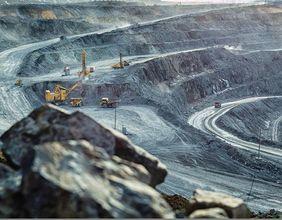
Mining-related issuers frequently contribute to activity within Metal and Mining Stocks, particularly where exploration, development, and production projects are involved. At the same time, technology-focused organizations continue expanding software and digital-service offerings for domestic and international markets.
Healthcare providers, consumer businesses, transportation companies, and communications firms also form part of the broader small-cap ecosystem, creating a diversified representation of Canadian commercial activity.
Market Position and Benchmark Context
Smaller-cap companies occupy an important place within Canada's public equity market structure. Many businesses begin as niche operators before expanding through geographic growth, service diversification, product development, or industry specialization.
The TSX Small Cap Index offers visibility into this segment by tracking a broad collection of smaller publicly traded companies. Sector composition changes over time as businesses expand, industry conditions evolve, and market classifications are updated.
Construction companies, software developers, specialty manufacturers, mining firms, and business-service providers all contribute to the benchmark's industry representation. This diversity highlights the breadth of commercial activity occurring outside Canada's largest publicly traded corporations.
As economic activity continues across infrastructure, technology, manufacturing, and professional services industries, smaller-cap companies remain active participants within the Canadian marketplace and contribute to the overall composition of public equity benchmarks.
