
 AUS
AUS
 NZ
NZ
 UK
UK
 CA
CA
 USA
USA
 IND
IND

.jpg)


Highlights
- Quarterly dividend payment extended a 26-year record of annual increases.
- Production exceeded 1.6 million barrels of oil equivalent per day in the latest quarter.
- Oil sands and conventional energy assets continue supporting large-scale operations.
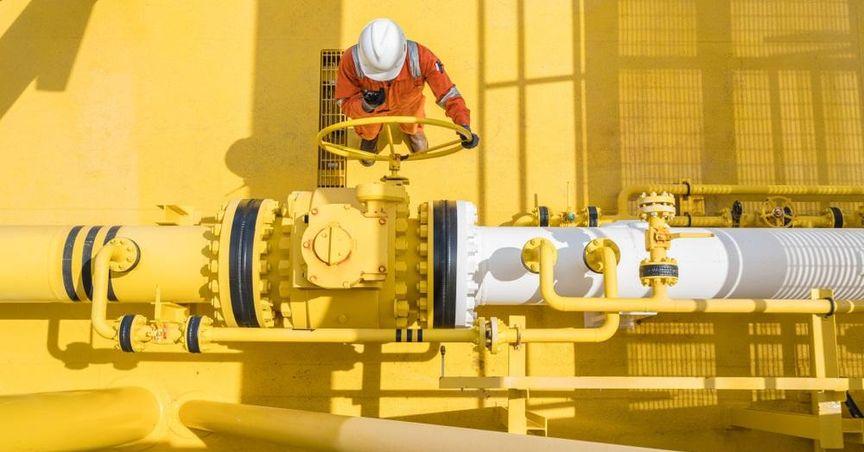
Canadian Natural Resources (TSX:CNQ) continued large-scale oil and natural gas production while extending dividend growth as a prominent constituent of the S&P/TSX 60 index.
Canadian Natural Resources operates in the energy sector as one of Canada's largest producers of crude oil, natural gas, natural gas liquids, and synthetic crude oil. As a major constituent of the S&P/TSX 60, the company is widely recognised within Canada's Oil and Gas Stocks category through its diversified production portfolio, long-life oil sands assets, and extensive upstream operations.
Dividend growth record continues
Canadian Natural Resources (TSX:CNQ) distributed its quarterly dividend in early July 2026, extending a record of 26 consecutive years of annual dividend increases. The milestone reflects a long-established capital distribution framework supported by diversified production across multiple resource basins in Canada, the United Kingdom sector of the North Sea, and offshore Africa.
Dividend distributions remain one component of the company's broader capital allocation framework, which also includes debt reduction and capital spending across producing assets. The company has previously outlined that additional free cash flow distribution would occur after net debt reaches a specified threshold.
Within the S&P/TSX 60, Canadian Natural remains one of the largest energy producers measured by production volumes and asset scale.
Record production supports operations
The company recently reported quarterly production exceeding 1.6 million barrels of oil equivalent per day, representing the highest production level in its history. Output included crude oil, synthetic crude oil, bitumen, natural gas liquids, and natural gas from a diversified collection of producing assets.
Oil sands mining operations, thermal in-situ developments, conventional heavy oil, light crude production, offshore assets, and natural gas operations collectively contributed to overall production volumes.
Among thermal projects, the Jackfish complex continued operating above designed capacity through ongoing operational improvements and efficient steam-assisted gravity drainage processes used to recover bitumen from deep oil sands reservoirs.
Diverse portfolio across multiple regions
Operations extend across Western Canada, the United Kingdom portion of the North Sea, and offshore West Africa. Canadian assets include the Athabasca oil sands, conventional crude oil fields, heavy oil developments, and extensive natural gas production in Alberta and British Columbia.
Mining operations produce bitumen that is upgraded into synthetic crude oil, while thermal in-situ facilities recover bitumen using steam injection technology. Conventional production includes light crude oil, heavy crude oil, natural gas liquids, and dry natural gas from numerous producing regions.
This broad operating base provides production from several resource types rather than reliance on a single commodity or geographic location.
Oil sands remain central to production
Long-life oil sands assets continue forming the foundation of the company's production profile. Mining operations include Horizon Oil Sands and interests in the Athabasca Oil Sands Project, while thermal developments include the Jackfish facilities and other steam-assisted gravity drainage projects.
Oil sands assets generally operate over extended periods after initial development, providing consistent production supported by established processing infrastructure. These facilities are integrated with upgrading operations capable of producing synthetic crude oil for refinery customers.
Within the S&P/TSX 60, Canadian Natural represents one of Canada's largest oil sands producers alongside diversified conventional energy operations.
Expansion projects and infrastructure
Several proposed oil sands expansion projects remain under evaluation while awaiting additional clarity regarding transportation infrastructure and regulatory processes. Planned developments include additional phases associated with existing thermal facilities and mining operations.
Pipeline capacity continues influencing long-term development planning across Canada's upstream energy industry. Expanded export infrastructure supports transportation of crude oil to domestic and international refining markets through pipeline networks serving North America.
The company also continues maintaining conventional production through drilling programs, facility optimisation, enhanced recovery techniques, and infrastructure upgrades across producing fields.
Natural gas operations complement production
Natural gas production represents another significant component of the operating portfolio. Assets located primarily in Alberta and northeastern British Columbia supply domestic consumers and export markets while supporting growing liquefied natural gas infrastructure on Canada's west coast.
Natural gas liquids recovered during processing provide additional hydrocarbon production alongside dry natural gas volumes. Integrated operations allow efficient utilisation of existing gathering systems, processing plants, pipelines, and associated infrastructure.
The company's combination of oil sands, conventional crude oil, offshore production, and natural gas assets reflects one of the largest upstream production portfolios within Canada's energy industry. Continued operational activity across these assets supports production capacity while maintaining a diversified resource base across several major producing regions.
