
 AUS
AUS
 NZ
NZ
 UK
UK
 CA
CA
 USA
USA
 IND
IND




Highlights
- Gold continues to serve as a hedge during times of economic uncertainty and geopolitical tension.
- Geopolitical tensions and anticipated rate cuts may impact gold prices through 2024.
- Several mining companies remain active in the market amid the evolving gold price trends.
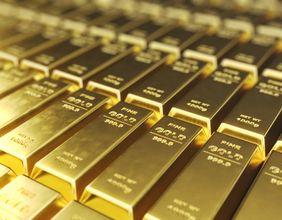
Gold has long been regarded as a key asset in times of economic and geopolitical uncertainty. It serves as a hedge against inflation, offering perceived stability when other markets may fluctuate. This makes gold an important focus for industries tied to commodities and natural resources. With prices historically linked to broader economic movements, fluctuations in gold have often mirrored global economic conditions.
Current Market Factors Driving Gold Prices
Several factors are impacting the gold market as of October 2024. Geopolitical tension, especially in regions like the Middle East, plays a crucial role in maintaining elevated gold prices. Such tensions often drive demand for assets like gold, seen as safer compared to other financial instruments. Alongside this, expectations surrounding changes in US monetary policy could also influence gold's pricing. The possibility of rate cuts in the latter half of the year adds a layer of uncertainty that may support gold’s position in the market.
Key Players in the Mining Sector
A variety of mining companies remain active as gold prices show potential for continued movement. Firms such as RUA Gold Inc. (TSXV:RUA), Mawson Gold Limited, Founders Metals Inc., Snowline Gold Corp, and Agnico Eagle Mines Limited are among those currently engaged in exploring and extracting resources. These companies, operating in the gold sector, are positioned to respond to the shifts in demand for the metal.
Gold Price Movement and Industry Response
Gold’s price trajectory has recently surpassed several expectations for 2024. With increasing geopolitical concerns and the possibility of US monetary adjustments, the gold sector remains closely watched. The ongoing situation highlights the dynamic relationship between gold prices and external economic events. This makes monitoring gold's movement an essential aspect of understanding shifts within the commodities market.
