
 AUS
AUS
 NZ
NZ
 UK
UK
 CA
CA
 USA
USA
 IND
IND






Highlights
- Torex Gold (TSX:TXG) saw notable TSX activity.
- TSX Composite Index and TSX Smallcap Index reflect market and sector shifts.
- Sector movements show structured corporate operations.
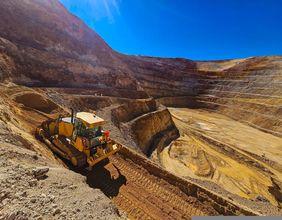
Torex Gold Resources Inc (TSX:TXG), an intermediate producer of gold and precious metals, continues operations on the Morelos Gold Property in Mexico’s Guerrero Gold Belt. The property is managed with structured exploration, development, and logistical frameworks, ensuring consistent operational performance. Recent market adjustments reflect trading position changes without affecting project operations or resource output. The TSX Smallcap Index aggregates activity from smaller and mid-cap TSX-listed companies, illustrating how these firms contribute to overall Canadian equity market dynamics. Observing the index offers a structured perspective on market engagement, highlighting how operational consistency among smaller companies supports broader trends. Additionally, several firms in mining and materials sectors participate in collective market movements, aligning trading behavior with scheduled project timelines while maintaining production reliability.
Which Companies Saw Measurable Reductions in Trading Positions?
A range of TSX-listed companies across energy, materials, and industrial sectors adjusted positions in recent sessions. Firms involved in mining and resource extraction implemented these adjustments in structured ways that complemented operational workflows. The TSX Small Cap Index captures cumulative activity from these companies, providing a lens to observe mid-market participation and sectoral trends. This index emphasizes structural patterns, showing that while trading positions fluctuate, corporate operations remain uninterrupted. Furthermore, sector-specific adjustments in metals, mining, and energy production reflect planned operational coordination, highlighting the interplay between market engagement and production scheduling. Companies with established operational frameworks continue to provide stability across trading sessions, contributing to overall TSX equilibrium without any disruption to ongoing workflows.
How Did Mid-Cap TSX Companies Navigate Recent Sessions?
Mid-cap firms on the TSX demonstrated varying levels of market activity while maintaining structured operational protocols. Companies focused on industrials, resource extraction, and energy production executed trading adjustments that aligned with ongoing corporate activities. Aggregate trends for mid-cap firms are reflected in the S&P/TSX Composite Index, which consolidates market participation across primary sectors including materials, energy, and industrials. Tracking this index provides visibility into how structured operational practices coexist with fluctuations in market positions. By observing the participation of mid-cap companies, stakeholders can understand broader trends while recognizing that operational consistency remains a priority. Coordinated adjustments within production, logistics, and project timelines showcase the integration of trading dynamics with established corporate processes.
Which Sectors Observed Concentrated Trading Adjustments?
Sectors such as industrials, mining, and energy experienced structured trading shifts across TSX-listed companies. Firms maintained operational continuity while implementing adjustments in alignment with production and logistical schedules. Sector-level activity is captured in the TSX Composite Index, aggregating large-cap company participation across diverse industries. This index demonstrates the interrelation between sectoral adjustments and overall market movements, allowing for observation of collective patterns without disrupting corporate operations. In particular, resource-intensive sectors such as gold and base metals showed synchronized trading adjustments aligned with project timelines. The index reflects the integration of multiple operational layers, illustrating how sector-level trends influence broader TSX market behavior while preserving production schedules.
How Did Trading Patterns Shift for Short-Term Market Activity?
Short-term market adjustments were observed across TSX-listed firms, reflecting operational scheduling rather than reactive changes. Mining, energy, and industrial companies displayed coordinated shifts that maintained production efficiency. These patterns are captured in the s&p tsx composite index, providing a comprehensive view of market engagement across sectors while preserving structured output. The index highlights how fluctuations in trading positions among multiple firms occur within a framework of consistent operational practices. Additionally, monitoring short-term market activity shows that even minor trading adjustments are aligned with resource management schedules and logistical planning. This structured alignment ensures that collective activity does not interfere with corporate performance while offering a factual perspective of TSX dynamics.
How Did Resource-Focused Companies Maintain Operational Stability?
Resource-focused TSX-listed firms, including those in gold, base metals, and energy production, demonstrated continuity in operational output despite adjustments in market activity. Coordination across exploration, extraction, and logistical processes allowed for uninterrupted production. Aggregated trading behavior among these companies is mirrored in the s&p tsx composite, providing a snapshot of structured participation without disrupting operational performance. Observing this index enables assessment of how operational stability is maintained across the resource sector while market activity evolves. Furthermore, companies operating in resource-intensive environments implemented adjustments in alignment with corporate protocols, showing the integration of market participation with planned operational frameworks.
Which Measures Provide a Clear View of Overall TSX Market Trends?
Overall TSX trends are observable through aggregated indices that consolidate sectoral and company-specific activity. The s and p tsx index provides a broad perspective on participation across industrials, energy, and resource sectors. It captures cumulative adjustments in trading positions while preserving operational consistency among TSX-listed firms. By monitoring this index, one can understand structural trends and sectoral weightings, highlighting how operationally stable companies coexist with market shifts. The index also reflects the balance between large-cap and mid-cap participation, demonstrating how collective market activity integrates seamlessly with operational priorities. Observing these trends provides a factual, neutral view of TSX market dynamics across multiple sectors and company sizes.
How Do TSX Market Dynamics Compare Across Indices?
Comparisons between indices illustrate differences in sectoral coverage and capitalization levels. The tsx composite index aggregates primary large-cap firms, reflecting engagement among leading TSX-listed companies, while smaller-cap and mid-cap firms are tracked through secondary indices. Observing structural activity across industrial, resource, and energy sectors provides insights into layered participation across the TSX market. Firms maintain operational consistency while contributing to overall market dynamics. These comparisons highlight the integration of multiple indices, showing how corporate stability aligns with trading activity across different capitalization levels.
What Broader Benchmarks Reflect Trading Trends Among TSX-Listed Companies?
Broader TSX benchmarks consolidate market activity across companies to provide insights into sectoral participation. The s&p 500 tsx composite index captures engagement from resource, industrial, and energy sectors, reflecting collective market adjustments. Companies like Torex Gold Resources Inc contribute to these benchmarks through structured operations that align with broader index trends. Observing these indices provides a clear perspective on market participation while maintaining operational continuity. The indices also highlight the relationship between sectoral adjustments and overall market dynamics, illustrating how Canadian equity participation integrates across multiple levels of capitalization and sectors.
How Do Smaller-Cap Firms Influence Broader TSX Participation?
Secondary and smaller-cap TSX-listed companies contribute to overall market trends through structured trading adjustments that complement larger firms. The TSX Smallcap Index tracks these companies, offering visibility into mid-market participation across sectors. Adjustments in trading positions among these firms often align with operational schedules and corporate workflows. Monitoring this index provides perspective on how smaller-cap activity integrates with large-cap trends, reflecting collective participation without disrupting production schedules. The index highlights coordinated market behavior among smaller companies, illustrating their role in shaping TSX market dynamics alongside larger listings.
