
 AUS
AUS
 NZ
NZ
 UK
UK
 CA
CA
 USA
USA
 IND
IND




Highlights
- OceanaGold experienced notable TSX activity.
- TSX Composite Index, TSX Smallcap Index, and TSX Completion Index reflect sector and market shifts.
- Corporate and sector movements indicate structured operational frameworks.
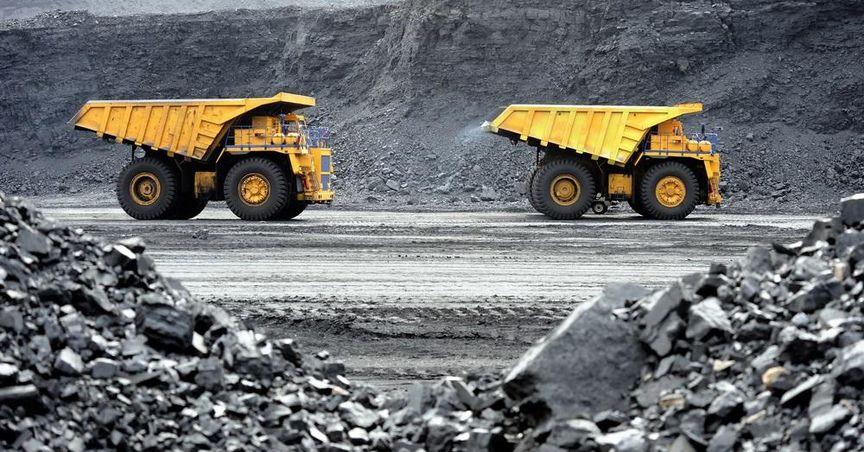
OceanaGold (TSX:OGC), an intermediate gold and copper producer, operates across four mines: Haile in the United States, Didipio in the Philippines, and Macraes and Waihi in New Zealand. The company’s operations are structured to maintain consistency in exploration, extraction, and logistical processes. Recent market adjustments reflect shifts in market positions while production and operational workflows continue uninterrupted. The TSX Completion Index aggregates activity from secondary and smaller-cap firms, offering a consolidated perspective on how mid-market companies participate in the broader TSX ecosystem. Observation of this index provides a structured understanding of sectoral contributions from smaller and mid-sized companies without interrupting ongoing corporate operations.
Which Companies Saw Measurable Reductions in Market Positions?
Several TSX-listed companies across mining, energy, and industrial sectors adjusted their market positions while maintaining operational stability. Firms continued production schedules, project planning, and logistical coordination without interruption. These activities are captured in the TSX Smallcap Index, which consolidates participation from smaller and mid-cap listings, offering a clear view of cumulative market engagement. Resource-focused companies implemented structured shifts aligned with extraction schedules and operational planning across multiple regions. Observing the TSX Smallcap Index allows understanding of how mid-market firms contribute to broader market patterns while maintaining operational continuity.
Companies with diversified operational sites across mining and energy sectors ensured that any adjustments to positions did not compromise project execution. Coordination between production, logistics, and site management allowed operations to continue efficiently while responding to cumulative market participation. The TSX Small cap Index reflects these coordinated efforts, showing that structural alignment between market participation and corporate management allows companies to maintain ongoing workflows while adapting to evolving operational contexts. Mid-market firms integrated activities with sectoral contributions in a structured manner, preserving operational consistency.
How Did Mid-Cap TSX Companies Navigate Recent Sessions?
Mid-cap firms listed on the TSX displayed varied activity levels while ensuring operational continuity. Mining, metals, and industrial firms coordinated adjustments alongside ongoing production and logistical schedules. Aggregate trends for these mid-sized companies are captured in the TSX SmallCap Etf, which consolidates activity from mid-market firms across multiple sectors. Tracking this index provides visibility into how structured corporate frameworks support broader sector participation. Adjustments were evident in resource-focused sectors, where operational timelines and exploration projects were synchronized with position modifications, reflecting systematic participation without disrupting core workflows.
Mid-cap firms maintained project coordination while responding to sectoral engagement patterns. Operational planning involved aligning extraction, processing, and supply chain activities with position shifts, ensuring uninterrupted corporate operations. Observing this index demonstrates that mid-sized companies can implement adjustments without compromising ongoing operational schedules.
Which Sectors Observed Concentrated Adjustments?
Sectors including mining, energy, and industrials displayed measurable adjustments during recent TSX sessions. Companies implemented structured shifts in line with operational schedules, ensuring uninterrupted production and project execution. These activities are reflected in the S&P/TSX Composite Index, which aggregates participation from primary large-cap firms. Observing this index allows identification of sectoral patterns and collective movements while maintaining operational stability. Resource-intensive industries coordinated adjustments across multiple sites, integrating operational frameworks with broader sectoral contributions to the Canadian market.
Resource-oriented sectors demonstrated structured collaboration between corporate teams across multiple operational sites. Production planning, logistical coordination, and exploration scheduling were aligned with sector-level participation, reflecting systematic organization. The S&P/TSX Composite highlights how large-cap firms integrate operational consistency with sectoral activity. Observing this index provides a neutral reference for understanding participation patterns in critical sectors while preserving structured corporate operations.
How Did Short-Term Patterns Evolve Among TSX Firms?
Short-term adjustments occurred across TSX-listed companies, reflecting coordinated workflows and scheduled operational timelines. Firms engaged in resource extraction, energy, and industrial production implemented structured position modifications. These activities are captured in the s&p tsx composite, which provides an overview of collective participation across Canadian sectors. Adjustments aligned with operational schedules, highlighting structured corporate behavior while maintaining stability. Observing this index illustrates how short-term sector patterns interact with ongoing corporate functions without interrupting project execution or daily operational workflows.
Resource-intensive companies coordinated short-term adjustments to align production and logistical timelines across operational sites. Structured management ensured that operational output remained uninterrupted while maintaining overall sector participation. Observation of operational metrics shows how short-term patterns integrate with larger operational frameworks, allowing companies to maintain productivity and continuity even as mid-market participation evolves. These measures highlight systematic alignment between operational management and sectoral engagement.
How Did Resource-Focused Companies Maintain Operational Stability?
Resource-focused firms, including gold, copper, and energy producers, maintained consistent production while managing structured adjustments. Coordination between extraction, processing, and logistical teams ensured uninterrupted operations. These activities are represented in the s and p tsx index, providing a view of sector participation while emphasizing operational continuity. Multiple sites were able to adjust simultaneously without impacting project timelines. Monitoring this index highlights the integration of structured operational management with measured participation across TSX-listed companies, demonstrating how resource-focused workflows coexist with evolving sector activity.
Companies implemented management strategies that allowed extraction, processing, and logistics teams to synchronize efforts across multiple sites. Operational frameworks were adjusted in a controlled manner to reflect evolving market participation while preserving production efficiency. Observation of operational metrics shows how resource-focused operational structures maintain stability and support sector-level contributions. This approach ensures operational continuity across multiple regions while allowing structured adjustments.
How Do Market Dynamics Compare Across Indices?
Comparison across indices demonstrates differences in market coverage, sector representation, and capitalization levels. Aggregated activity from resource, industrial, and energy companies offers a broader benchmark for equity participation. Large-cap firms are represented alongside mid-market participants, reflecting layered market behavior. Operational stability was preserved while companies contributed to collective activity. Observing these measures highlights how listed firms across various capitalization tiers integrate structured operations with sector-level engagement to form cohesive market patterns.
Companies coordinated operational adjustments across multiple sites to maintain efficiency and sector alignment. Observation of aggregated metrics demonstrates how layered corporate management enables mid-market and large-cap firms to coexist in broader market activity. Monitoring these measures provides a neutral understanding of operational continuity alongside cumulative participation, emphasizing structured management as a key component in aligning corporate and sector engagement.
What Broader Benchmarks Reflect Market Activity Among Listed Companies?
Aggregated benchmarks consolidate sector participation and company-specific activity to provide a neutral view of market engagement. These measures illustrate collective activity across industrial, mining, and energy sectors, reflecting structured operations among listed firms. Companies like OceanaGold (TSX:OGC) contribute to these trends while maintaining operational consistency. Monitoring these metrics provides a factual reference for market participation across capitalization levels, highlighting coordination between large, mid, and smaller-cap firms without interrupting production or corporate workflows. Aggregated benchmarks allow observation of sectoral patterns alongside structured operational continuity, offering objective documentation of Canadian market activity.
Listed firms across multiple sectors demonstrated structured management of operational frameworks while contributing to collective benchmarks. Coordinated workflows ensured uninterrupted production while facilitating participation in aggregated measures. Observation of these metrics highlights collective engagement patterns, showing how operational consistency supports measurable sectoral activity. Monitoring these trends emphasizes neutral and objective evaluation of market participation, allowing structured understanding of mid-market, large-cap, and secondary listings within the Canadian ecosystem.
