
 AUS
AUS
 NZ
NZ
 UK
UK
 CA
CA
 USA
USA
 IND
IND




Highlights
- Gold mining operations centered on Canadian and international assets
- Recent market activity highlights operational scale and commodity exposure
- Public listing reflects participation in Canada’s smallcap resource segment
TSX smallcap Index feature examining gold mining operations, processing systems, and regulatory alignment for a Canadian producer active in resource extraction and site management.
The metals and mining sector includes companies engaged in exploration, development, and production of precious metals that feed global supply chains and industrial demand. Within this landscape, the TSX smallcap Index tracks smaller publicly listed Canadian enterprises operating across specialized resource niches. New Gold Inc. (TSX:NGD) functions as a gold-focused producer whose activities span extraction, processing, and site management within regulated mining jurisdictions.
Operational Footprint and Mining Activities
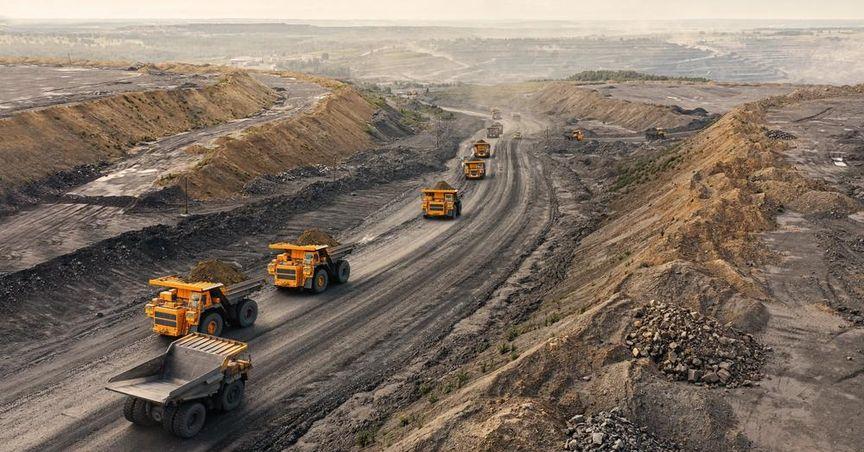
New Gold Inc. (TSX:NGD) maintains a portfolio of mining assets designed around open-pit and underground extraction methods. These operations involve coordinated drilling, blasting, hauling, and ore processing systems that convert raw material into refined output suitable for downstream refining and distribution. Processing facilities typically integrate crushing circuits, milling systems, and metallurgical recovery techniques to maximize resource utilization while maintaining environmental compliance standards.
Mining sites operate under layered regulatory frameworks that govern land use, water management, emissions monitoring, and reclamation planning. Environmental management systems form a central component of site activity, guiding tailings handling, waste rock storage, and rehabilitation practices. Such frameworks reflect broader industry expectations centered on sustainable resource development and transparent reporting.
Logistics networks connect mine sites with transportation infrastructure, enabling movement of concentrates and refined material to smelters or trading hubs. These supply chains rely on coordinated scheduling, equipment maintenance programs, and safety protocols designed to support uninterrupted production cycles.
Market Context and Commodity Exposure
Gold producers operate within a commodity environment shaped by global demand, currency dynamics, and industrial usage patterns. Extraction volumes, grade variability, and processing efficiency influence operational performance across mining portfolios. Companies active in this segment continuously evaluate geological data, metallurgical behavior, and site optimization strategies to maintain consistent throughput.
Midway through this sector discussion, reference to the tsx small cap index underscores how mining issuers are grouped within a broader benchmark that captures smaller capitalization resource participants. Inclusion within such benchmarks reflects public market visibility and categorization alongside peers engaged in metals extraction and processing.
Commodity-focused enterprises often maintain diversified ore bodies that contain associated metals alongside gold. By-product recovery systems can integrate secondary material streams into processing circuits, supporting overall site efficiency. Geological modeling, grade control drilling, and ore blending practices contribute to operational stability and predictable plant performance.
Infrastructure, Technology, and Processing Systems
Modern mining operations rely heavily on automation, digital monitoring, and equipment telemetry to enhance operational precision. Fleet management platforms track haulage cycles, fuel usage, and maintenance intervals, allowing site teams to coordinate activity across large-scale industrial environments. Sensor-based monitoring supports predictive maintenance schedules that reduce downtime and extend equipment service life.
Processing facilities incorporate advanced control systems that regulate grinding intensity, reagent dosing, and recovery parameters. Real-time data acquisition enables rapid adjustments to maintain metallurgical consistency. These systems operate alongside laboratory testing programs that validate ore characteristics and processing outcomes.
New Gold Inc. (TSX:NGD) integrates such infrastructure within its operational framework, combining mechanical systems with digital oversight tools. Data-driven site management supports coordination between extraction zones, processing plants, and environmental monitoring units. This interconnected approach aligns with industry-wide adoption of smart mining technologies.
Environmental Stewardship and Regulatory Alignment
Resource extraction is closely tied to environmental stewardship practices that address land disturbance, water quality, and biodiversity considerations. Site-specific management plans outline procedures for reclamation, vegetation restoration, and long-term monitoring. Continuous sampling programs track water discharge, air quality, and soil conditions to ensure adherence to regulatory thresholds.
Community engagement initiatives often accompany mining activity, focusing on local employment, infrastructure collaboration, and transparent communication channels. Regulatory compliance frameworks require detailed documentation of environmental performance, safety metrics, and operational changes. These processes are embedded within corporate governance structures that oversee reporting and audit functions.
Mining companies coordinate with engineering consultants, environmental specialists, and regulatory authorities to maintain alignment with evolving standards. Adaptive management strategies allow operational adjustments in response to site monitoring data and regulatory guidance.
Production Workflow and Asset Management
Mining production follows a structured workflow beginning with geological surveying and resource modeling. Drilling campaigns refine ore body understanding, informing mine planning and sequencing. Extraction schedules balance ore grade distribution with processing capacity, supporting steady plant throughput.
Asset management systems oversee heavy equipment fleets, processing components, and infrastructure assets. Maintenance planning integrates inspection cycles, component replacement schedules, and reliability assessments. Such systems aim to sustain mechanical performance across extended operational timelines.
New Gold Inc. (TSX:NGD) applies coordinated planning across its asset base, linking geological interpretation with operational execution. Integrated scheduling tools synchronize drilling, blasting, hauling, and milling activities to maintain site efficiency. Digital recordkeeping supports traceability and compliance documentation throughout the production lifecycle.
