
 AUS
AUS
 NZ
NZ
 UK
UK
 CA
CA
 USA
USA
 IND
IND





Highlights
- Contract drilling specialist serving mining and mineral exploration companies
- Shares reached a new annual high during active trading on the Toronto exchange
- Operations span multiple continents with surface and underground capabilities
Major Drilling performance in the TSX smallcap Index reflects global drilling services, mining sector exposure, and operational footprint across diverse regions.
The basic materials sector includes a wide range of service providers supporting mining and mineral exploration companies. Within Canada’s equity landscape, several smaller capitalization firms are represented in the TSX smallcap Index, which tracks emerging and mid sized issuers across industries. Major Drilling Group International operates in the contract drilling segment, delivering specialized services to resource companies across global regions. Recent trading activity saw Major Drilling Group International (TSX:MDI) reach a new annual high, drawing attention within the smallcap index segment.
Core Business and Service Portfolio
Major Drilling Group International (TSX:MDI) provides contract drilling services primarily to companies engaged in mineral exploration and mine development. The company’s service offerings include surface and underground coring, reverse circulation drilling, directional drilling, sonic drilling, geotechnical drilling, environmental drilling, water well drilling, and coal bed methane services. These capabilities support clients seeking to identify and delineate mineral deposits or expand existing operations.
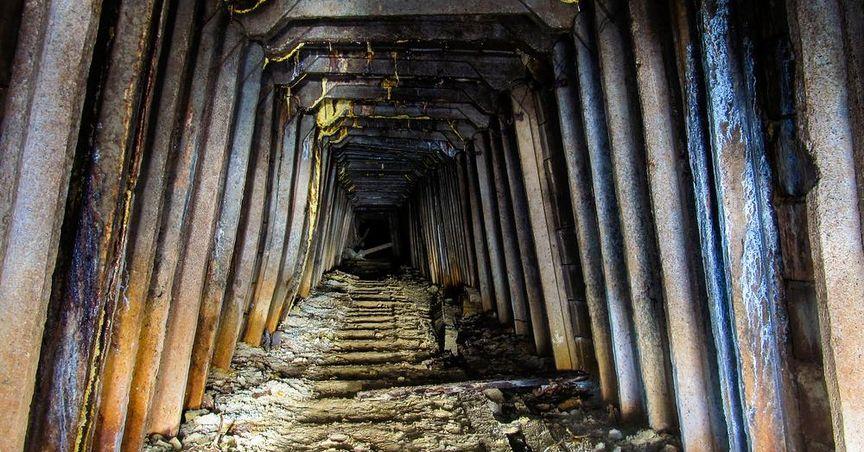
Surface coring services are typically used during early stage exploration to extract cylindrical rock samples for geological assessment. Underground drilling supports active mining sites by enabling resource expansion, grade control, and infrastructure planning. Reverse circulation and sonic methods provide alternative sampling techniques suited to different geological formations.
Geotechnical and environmental drilling services assist with infrastructure design, site stability assessments, and environmental monitoring requirements. The breadth of services positions the company within multiple stages of the mining lifecycle, from exploration to development and ongoing operations.
Geographic Footprint
Operations extend across Canada, the United States, South and Central America, Asia, and Africa. Revenue distribution reflects activity levels in these regions, with North America representing a substantial portion of service demand. Drilling contracts are influenced by exploration budgets set by mining companies and by the development timelines of mineral projects.
Regional diversification allows exposure to varied commodity markets, including gold, base metals, and other minerals. Activity levels can fluctuate depending on global commodity conditions, regulatory environments, and exploration programs initiated by mining firms.
Field operations involve deployment of specialized drilling rigs, technical crews, and support equipment to remote locations. Logistical coordination plays a central role in maintaining operational continuity across geographically dispersed projects.
Market Activity and Trading Context
Shares recently traded at levels marking a new annual high on the Toronto Stock Exchange. Such movements occur within the broader dynamics of Canadian small capitalization equities tracked by the tsx small cap index. Trading volumes during these sessions reflected engagement from market participants responding to sector developments and company updates.
Market capitalization places the company within the smallcap category relative to larger mining and energy issuers. Trading metrics often referenced in public disclosures include valuation multiples and leverage indicators tied to corporate financing arrangements.
Debt to equity positioning and liquidity measures form part of standard financial reporting for service providers in capital intensive industries. Equipment fleets, maintenance costs, and personnel expenditures contribute to operational expenditure patterns.
Financial and Operational Reporting
Quarterly disclosures outline revenue generated from drilling contracts across geographic segments. Earnings measures reflect project mix, utilization rates of drilling rigs, and cost management within field operations. Margins can vary depending on contract terms, regional cost structures, and fleet deployment levels.
Working capital management is important within the contract drilling sector due to project based billing cycles and mobilization expenses. Current and quick ratios provide context regarding short term financial capacity relative to obligations.
Operational updates may reference fleet modernization efforts, safety performance, and efficiency initiatives aimed at optimizing drilling productivity. Equipment upgrades and technological enhancements contribute to improved penetration rates and data collection capabilities.
Industry Dynamics
The contract drilling industry operates as a service arm to mining exploration and development companies. Demand for drilling services correlates with exploration expenditures and mine expansion activities. When resource companies allocate capital toward new discoveries or reserve expansion, drilling contractors often experience increased activity.
Commodity market conditions can influence exploration budgets, which in turn affect demand for drilling services. However, contract drilling companies do not typically own mineral assets; instead, revenue is derived from service agreements with resource operators.
Technological advancements in drilling techniques, data acquisition, and rig automation have shaped industry practices. Efficiency improvements can reduce downtime and enhance sample accuracy, factors that are relevant to mining clients seeking detailed geological information.
Safety standards remain central to drilling operations, particularly in remote or underground environments. Compliance with occupational health regulations and environmental guidelines forms part of routine operational management.
Corporate Governance and Exchange Presence
As a publicly listed company, Major Drilling Group International (TSX:MDI) adheres to disclosure standards established by Canadian securities regulators. Governance structures oversee strategic direction, capital allocation, and compliance with exchange requirements.
Capital expenditure decisions typically relate to acquisition of new drilling rigs, refurbishment of existing equipment, and expansion into new geographic markets. Financial statements provide transparency into asset bases, liabilities, and operational outcomes.
Inclusion within the tsx smallcap index situates the company among other emerging and mid sized Canadian issuers. The index reflects performance of companies outside the large capitalization segment, offering a snapshot of activity across diverse industries.
