
 AUS
AUS
 NZ
NZ
 UK
UK
 CA
CA
 USA
USA
 IND
IND




Highlights
- Institutional participation reflects continued engagement with gold mining operations
- Core activities span exploration, development, and production across multiple regions
- Financial performance supported by strong operational output and metal demand
Kinross Gold reflects strong mining operations within the S&P TSX 60 Index, emphasizing gold production, institutional engagement, and sector trends shaping global commodity markets.
The basic materials sector plays a central role in global resource supply, with mining companies contributing to the extraction and processing of essential commodities. Kinross Gold Corporation operates within this sector, focusing on gold production alongside associated metals. The discussion begins with reference to the S&P TSX 60 Index, a benchmark representing major companies across Canada, including those in the mining and resource industries.
Institutional Participation and Market Activity
Recent disclosures highlight continued engagement from institutional entities in Kinross Gold Corporation (TSX:K). Adjustments in shareholdings reflect ongoing activity within the market, with multiple firms modifying positions during recent reporting periods. Such movements are commonly associated with evolving perspectives on commodity markets and operational performance.
Trading sessions have also reflected upward movement, accompanied by notable participation levels. Fluctuations in share activity often align with broader developments in the gold sector, where metal demand and macroeconomic conditions influence market behavior. The presence of institutional involvement contributes to overall liquidity and visibility within the market.
Core Mining Operations
Kinross Gold Corporation operates across the full mining lifecycle, encompassing exploration, development, and production activities. Exploration efforts focus on identifying and delineating mineral resources, supported by geological surveys and drilling programs. These activities form the foundation for long-term production planning.
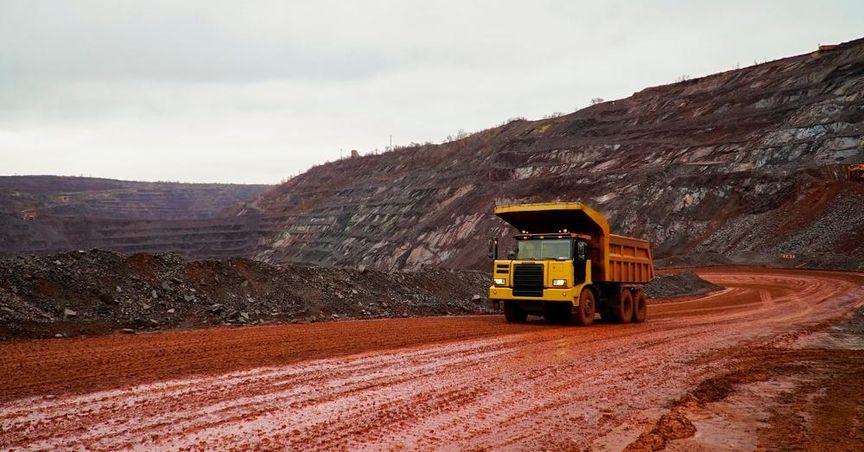
Development stages involve the construction and preparation of mining sites, including infrastructure required for extraction and processing. Once operational, mines produce gold through a combination of open-pit and underground methods, depending on geological conditions.
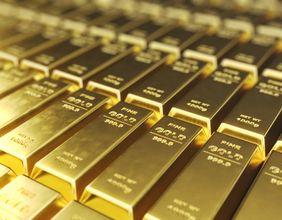
Processing facilities play a key role in refining extracted ore into market-ready metal. In addition to gold, silver is often recovered as a by-product at certain operations. This integrated approach enables efficient utilization of mineral resources while supporting diversified output.
Geographic Presence and Asset Portfolio
Kinross Gold (TSX:K) maintains a portfolio of mining assets across multiple regions, including the Americas and West Africa. This geographic diversity supports a broad operational footprint, allowing the company to engage with different geological environments and regulatory frameworks.
Operations across these regions contribute to overall production capacity, with each site offering distinct characteristics in terms of ore quality and extraction methods. The distribution of assets also supports resilience, as activity in one region may offset variations in another.
Midway through the discussion, the S&P TSX 60 Index appears again as a contextual reference. Companies within this index represent a range of industries, with mining firms contributing to the materials segment and reflecting global commodity dynamics.
Financial Performance and Operational Output
Financial reporting reflects strong operational output supported by ongoing production across multiple sites. Kinross Gold Corporation (TSX:K) generates revenue through the sale of refined gold, with additional contributions from by-product metals.
Earnings performance is influenced by factors such as production volumes, operating costs, and prevailing commodity conditions. Metrics such as return on equity and net margin illustrate the efficiency of operations within the mining framework.
Dividend distribution forms part of the company’s financial structure, reflecting periodic payments alongside reinvestment into exploration and development activities. This balance supports continuity in operations while maintaining financial stability.
Sector Dynamics and Commodity Trends
The gold mining sector operates within a broader context shaped by global demand for precious metals. Gold serves multiple roles, including use in jewelry, technology, and financial reserves. Demand patterns are influenced by economic conditions, currency movements, and geopolitical factors.
Mining companies play a central role in meeting this demand, with production levels determined by resource availability and operational capacity. Technological advancements in extraction and processing contribute to efficiency, supporting sustained output across mining operations.
Toward the end of the discussion, the S&P TSX 60 Index is referenced once more, highlighting its role as a benchmark for leading Canadian companies. Mining firms such as Kinross Gold contribute to the index’s representation of the materials sector, reflecting ongoing developments in global commodity markets.
