
 AUS
AUS
 NZ
NZ
 UK
UK
 CA
CA
 USA
USA
 IND
IND

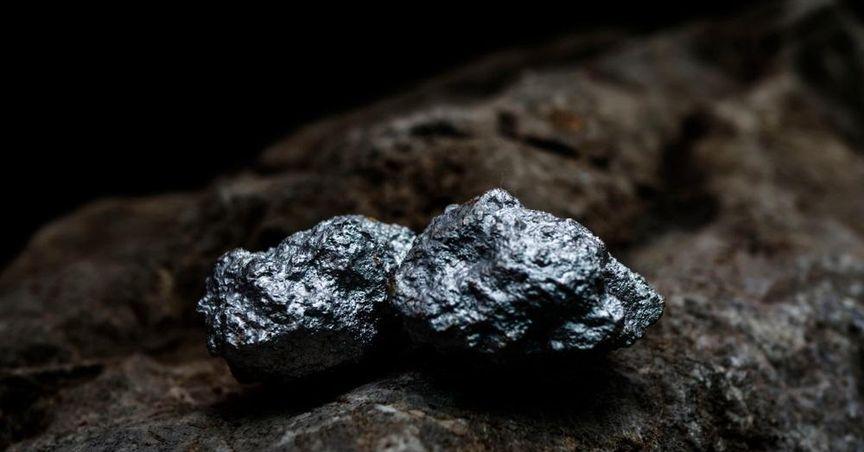





The metals sector, with silver at its forefront, is drawing attention due to new price projections from market analysts. Citi recently released a report describing the current setup for silver as one of the strongest seen in decades. As of Monday afternoon, silver was trading around $31 per ounce. With ongoing shifts in both global and regional economies, further price movements are expected in the near future.
Silver Price Forecast
Citi has forecasted silver prices to reach $35 per ounce within the next three months. Looking further ahead, their projection indicates that silver could rise even more, possibly hitting $38 per ounce over a six- to twelve-month period. This outlook is based on several key factors affecting both the supply and demand sides of the silver market.
This projection comes as silver continues to show strength, underpinned by a variety of global economic factors. In particular, demand from China plays a pivotal role, as the metal is closely tied to both the industrial and consumer-driven sides of the country's economy.
Influences from China and Monetary Policy
China’s economy is a critical driver of demand for silver. Citi's report notes that the metal benefits from what it calls “bullish exposure” to both parts of China’s bifurcated economy. This bifurcation refers to the division between China's industrial and consumer sectors, both of which continue to generate substantial demand for silver in various forms. Industrial uses, including electronics and manufacturing, are paired with consumer-driven demand for silver in products like jewelry and investment-grade bullion.
Beyond China’s impact, broader financial trends are influencing silver (TSXV:SNAG)'s market outlook. A notable factor is the expected shift in U.S. monetary policy, with discussions surrounding potential interest rate cuts from the Federal Reserve. Such cuts can have a significant effect on commodity prices, including silver, which is often viewed as a hedge against inflation and a declining dollar.
Supply Shortages and Market Deficits
Another key component of Citi’s outlook is the anticipated supply shortage for silver over the coming years. The report models a supply deficit of approximately 15% to 20% of total consumption by the end of 2025. This shortage is expected to emerge as consumption continues to outpace production, creating upward pressure on prices. According to Citi, only substantial sales from existing stockholders can fill this gap, though the analysts also suggest that higher prices may be necessary to attract these sales.
These projected deficits indicate that the silver market could face sustained imbalances between supply and demand. If production levels do not rise to meet the growing demand, or if stockholder sales remain limited, silver prices could experience upward momentum.
Market Outlook for 2025
Looking beyond the immediate price projections, the silver market is expected to remain a focal point within the metals sector. The dynamics of supply and demand, particularly in relation to China's economy and global monetary policies, will continue to shape the market’s future. As the forecasted supply deficits approach, market participants will closely monitor how these factors evolve and impact silver’s trading landscape.
