
 AUS
AUS
 NZ
NZ
 UK
UK
 CA
CA
 USA
USA
 IND
IND






Highlights
- Agricultural inputs sector activity continues to shape market attention across Canada
- Crop nutrient demand and distribution networks remain central to Nutrien operations
- Global supply conditions continue influencing fertilizer and potash discussions
Nutrien operations within the s&p tsx composite remain tied to agricultural sector activity, fertilizer distribution networks, commodity conditions, and global crop nutrient demand.
\The agricultural inputs sector remains closely connected with commodity trade, crop production patterns, and industrial supply chains across North America. Within the Canadian equity landscape, Nutrien operates as a major participant in fertilizer production and agricultural services. Market activity connected with the materials and crop nutrient segment has also drawn attention toward the S&P TSX Index, particularly as fertilizer producers remain tied to global food production cycles and raw material demand.
Agricultural Sector Position
Nutrien maintains operations across potash, nitrogen, and phosphate categories while supporting large agricultural distribution networks throughout multiple regions. Crop nutrient manufacturing remains central to company activity, alongside retail agricultural services connected with seed, fertilizer, and farm support products.
The agricultural sector often experiences changing conditions tied to planting activity, weather developments, transportation access, and commodity movement across international markets. Fertilizer producers frequently respond to broader conditions affecting crop cultivation and farming supply availability.
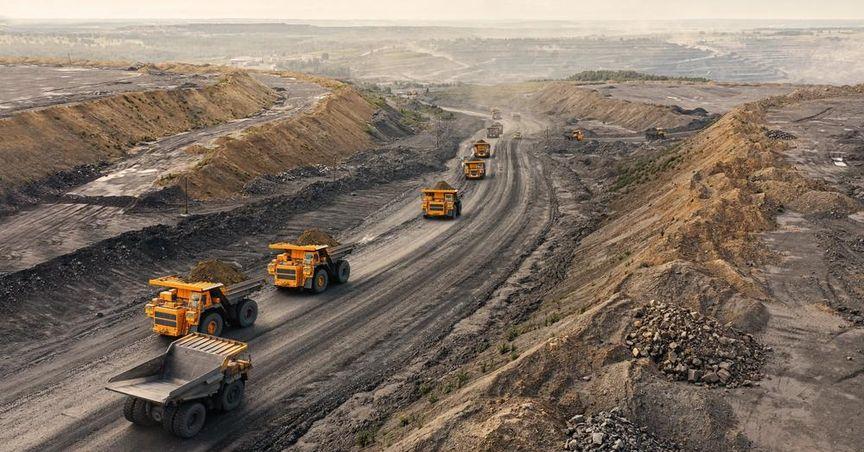
Potash production remains a major component within Canadian materials activity. Saskatchewan continues serving as a globally recognized potash region, supporting export activity and industrial processing connected with agricultural demand. Nutrien (TSX:NTR) remains associated with large-scale potash operations and distribution systems extending across international agricultural markets.
Commodity Trends and Market Conditions
Crop nutrient producers frequently experience changing market sentiment connected with grain demand, farm operating conditions, and global trade developments. Nitrogen and phosphate activity also remains linked with natural gas markets, industrial production costs, and shipping conditions affecting supply movement.
Agricultural input manufacturers often adjust operational planning according to seasonal farming patterns and regional crop cycles. Demand across corn, wheat, soybean, and canola cultivation regions may influence fertilizer shipment volumes throughout planting and harvesting periods.
Broader commodity discussions have also highlighted changing supply chain conditions across several regions. Transportation access, rail movement, and export logistics continue affecting agricultural product distribution. Fertilizer producers frequently remain connected with these broader industrial systems due to large-scale material movement requirements.
Within Canada, materials companies connected with mining and agricultural processing continue attracting attention across the s&p tsx sector environment. Potash activity remains especially notable because Canadian production contributes substantially to international fertilizer supply channels.
Retail Agricultural Operations
Beyond fertilizer manufacturing, Nutrien operates agricultural retail networks serving farming communities across several countries. Retail agricultural activity includes crop consulting, agronomic services, nutrient products, and seed distribution connected with commercial farming operations.
Agricultural retail divisions often provide direct exposure to seasonal farm activity and regional crop conditions. Farm support services may vary according to weather developments, planting schedules, and local agricultural requirements.
Distribution networks also remain important within the agricultural inputs sector. Large-scale logistics coordination supports fertilizer movement from production facilities toward farming regions requiring seasonal nutrient application. Rail systems, storage infrastructure, and transportation access therefore remain closely linked with operational continuity.
Nutrien (TSX:NTR) also remains connected with environmental discussions surrounding fertilizer efficiency and sustainable agricultural practices. Agricultural producers across multiple regions continue examining nutrient management approaches tied to soil conditions and crop productivity goals.
Global Fertilizer Industry Activity
International fertilizer markets frequently respond to geopolitical developments, export restrictions, and regional supply conditions. Potash and nitrogen production can experience changing shipment patterns depending on trade routes, industrial output, and agricultural demand cycles.
Several countries maintain strong reliance on imported fertilizer products for commercial agriculture. As a result, fertilizer producers often remain connected with changing trade relationships and transportation activity across global shipping corridors.
Crop nutrient demand also tends to rise alongside broader food production requirements. Population growth, agricultural modernization, and expanding cultivation regions continue influencing fertilizer consumption discussions across international markets.
Within Canada, materials companies tied to agricultural production continue contributing toward industrial exports and resource development. Fertilizer production remains part of broader mining and resource activity associated with the Canadian economy.
Operational Focus Across the Sector
Agricultural input companies commonly emphasize production efficiency, distribution coordination, and resource management throughout changing commodity cycles. Potash mining operations require substantial infrastructure support, including processing facilities, transportation systems, and storage capacity.
Nitrogen production activity also remains associated with industrial energy availability because manufacturing processes depend heavily upon natural gas feedstock access. Changes in energy conditions may therefore affect broader fertilizer manufacturing environments.
Across the agricultural sector, farming technology and precision agriculture discussions continue expanding. Nutrient application methods, crop monitoring systems, and agronomic data tools remain increasingly visible throughout commercial farming operations.
The materials segment within Canadian markets continues reflecting connections between commodity production and industrial demand. Fertilizer producers remain part of these broader discussions because crop nutrient supply supports agricultural production across numerous global farming regions.
