
 AUS
AUS
 NZ
NZ
 UK
UK
 CA
CA
 USA
USA
 IND
IND

.jpg)



Highlights
- New share repurchase authorization covers up to 5% of outstanding shares
- Copper-focused asset base spans the Americas with key development projects
- Operational cash generation supports both growth spending and capital returns
Operating within the mining sector, Hudbay Minerals is a diversified base metals producer with a strong focus on copper, supported by zinc and precious metals output. The company’s activities align closely with trends tracked by the S&P/TSX Composite Index, where large-cap resource companies often reflect broader movements in commodity markets and industrial demand. Recent approval of a normal course issuer bid introduces an additional dimension to capital allocation, complementing ongoing investments in development and operational assets.
Business Overview and Asset Portfolio
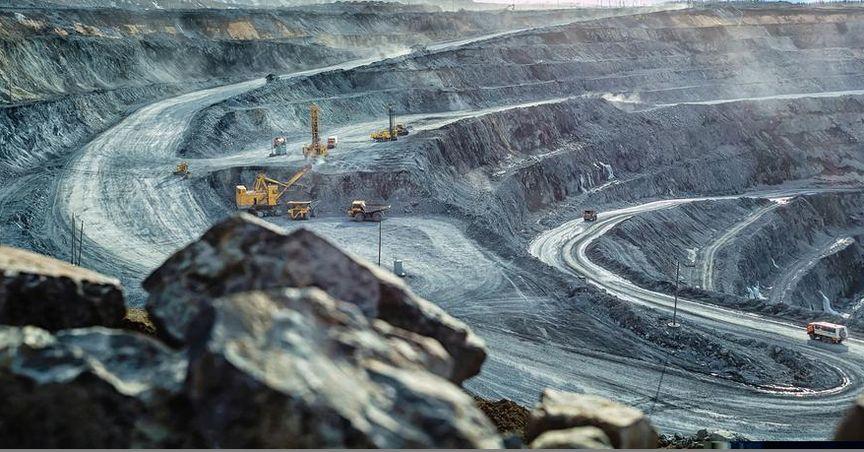
Hudbay Minerals operates a portfolio of mining and processing facilities across North and South America. Core producing assets include the Constancia mine in Peru and the Snow Lake operations in Manitoba, Canada. These sites contribute copper, gold, and zinc concentrates, positioning the company among established names within Metal and Mining Stocks.
The company also maintains a pipeline of development projects, most notably Copper World in Arizona. This project represents a large-scale copper resource with staged development plans designed to expand production capacity. Additional optimization efforts at existing sites, including mill upgrades and efficiency improvements, aim to sustain output levels and operational consistency.
Geographic diversification remains a defining characteristic, with assets located in mining-friendly jurisdictions. This distribution supports operational continuity while exposing the company to varying regulatory and permitting environments.
Capital Allocation Developments
The recently approved share repurchase program allows Hudbay Minerals (TSX:HBM) to acquire and cancel up to 5% of its issued and outstanding shares over a twelve-month period. Funding is expected to come from internally generated cash flow, reflecting the company’s ability to produce liquidity through ongoing operations.
This development introduces a new mechanism within the broader capital allocation framework. Alongside reinvestment in growth projects and maintenance of operational assets, the buyback authorization reflects a balancing approach between internal expansion and shareholder-related actions.
The timing of the program follows a period of solid operating performance, with quarterly results indicating substantial revenue and earnings contributions from core mining activities. Such financial outcomes provide context for the decision to allocate capital toward share repurchases while continuing to fund project pipelines.
Role Within the S&P/TSX Composite Index
As part of the S&P/TSX Composite Index, Hudbay Minerals reflects broader trends in Canada’s resource-heavy equity landscape. The index includes a significant weighting of mining and energy companies, making it sensitive to fluctuations in commodity demand, industrial production, and global trade patterns.
Copper, a primary product for the company, is widely used in construction, electrical systems, and manufacturing. Changes in infrastructure spending and electrification initiatives influence demand dynamics, which in turn shape production strategies among mining firms.
Within this index context, companies such as Hudbay contribute to sector-level performance, particularly in periods of rising or declining base metal demand. The company’s operational updates, project milestones, and production volumes are often viewed alongside those of peer firms within the same classification.
Growth Projects and Operational Focus
Copper World remains a central development initiative, with phased construction designed to align capital deployment with project progression. Permitting processes, engineering studies, and environmental assessments continue to define the project timeline.
At existing operations, ongoing investments target efficiency gains and cost management. Upgrades to processing facilities, exploration near current mines, and optimization of ore recovery rates are key components of operational planning.
Exploration activities extend beyond producing sites, with the objective of identifying additional mineral resources that can support long-term production continuity. These efforts involve drilling campaigns, geological analysis, and resource estimation across multiple jurisdictions.
Financial Performance Context
Recent quarterly disclosures indicated strong sales figures and notable net earnings, supported by stable production levels and favorable commodity pricing during the reporting period. Cash flow generation from operations provides flexibility in allocating funds across capital expenditures, debt management, and the newly introduced share repurchase program.
Cost structures remain influenced by factors such as energy prices, labor availability, and supply chain logistics. Managing these inputs plays a critical role in maintaining operational efficiency across mining sites.
Currency movements also contribute to financial outcomes, given the company’s exposure to multiple jurisdictions and reporting in U.S. dollars while being listed in Canada.
Industry Position and Market Dynamics
Within the global mining landscape, Hudbay operates as a mid-tier producer with exposure to key base metals. The company’s focus on copper aligns with long-term industrial usage patterns, including renewable energy systems and electrification infrastructure.
Competition within the sector includes both large multinational mining firms and smaller regional operators. Differentiation often arises from asset quality, production scale, and geographic footprint.
Environmental considerations and regulatory frameworks continue to shape mining operations, with emphasis on sustainability practices, emissions management, and community engagement. These factors influence project development timelines and operational approaches across the industry.
The company’s alignment with the S&P/TSX Composite Index places it within a broader ecosystem of resource-driven enterprises that collectively respond to global economic conditions and commodity cycles.
