
 AUS
AUS
 NZ
NZ
 UK
UK
 CA
CA
 USA
USA
 IND
IND




Highlights
- Imperial Metals has returned to after several years
- Expanded, reflecting structural improvements in operations
- Current valuation metrics indicate a significant gap versus sector averages
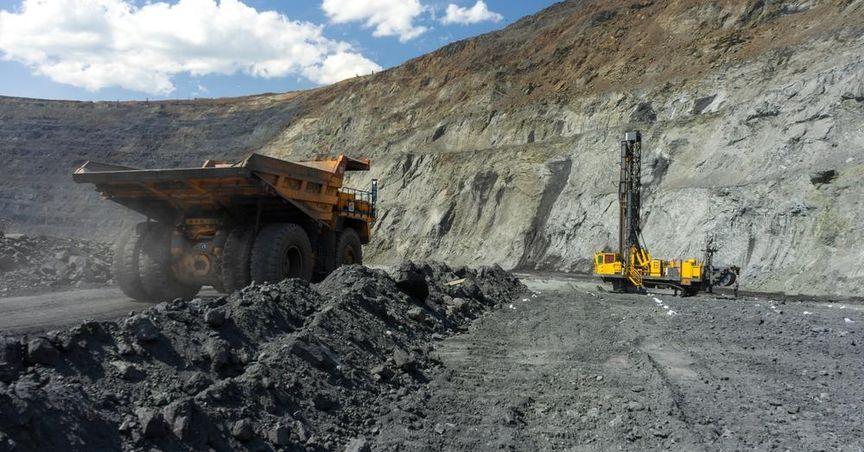
Imperial Metals operates in the Canadian metals and mining sector, focusing on the extraction and processing of base and precious metals. The company has demonstrated a notable shift from prior years by achieving consistent growth.
Imperial Metals (TSX:III) has demonstrated a clear focus on operational efficiency and stringent cost management. Significantly due to enhanced productivity and the company’s shift into sustained after several years. These structural changes in operations indicate a move toward stable, long-term growth rather than temporary gains.
Which Factors Contribute To Higher Stability Now
Several elements underpin the company’s earnings stability. First, operational optimization has reduced production inefficiencies and minimized recurring operational. Second, revenue streams have diversified across multiple projects, mitigating dependence on a single commodity or asset. Third, careful management of expenditures has enabled incremental gains to flow directly to the bottom line. Collectively, these factors have improved the quality of reported results. The absence of unusual or one-off adjustments further reinforces the underlying consistency in the company’s operational performance.
Why Are Margins Expanding Significantly Over Recent Years
Margins have improved as Imperial Metals transitioned into sustained. The widening of margins is not solely a reflection of higher revenues but also the result of structural efficiency improvements, including cost containment and optimization of production methods. This enhanced efficiency has created a foundation for generating higher-quality earnings. Observers of the mining sector note that maintaining at this scale is uncommon, making Imperial Metals’ (TSX:III) performance notable relative to peers of similar size and scope. The quality of earnings appears to be more durable due to these internal efficiencies rather than one-time financial adjustments.
What Operational Changes Have Supported Recent Growth
Operational adjustments have played a central role in the company’s trajectory. The introduction of new techniques for ore processing and mining has contributed to higher output with lower operational strain. Maintenance protocols have been streamlined, reducing downtime and supporting smoother production schedules. Strategic allocation of resources ensures projects with higher margin potential receive prioritization. These operational decisions have collectively driven improvements across key performance indicators, demonstrating a shift from previous periods of volatility toward a more predictable earnings pattern.
How Does Valuation Reflect Market Perceptions Of Performance
Current valuation metrics highlight a notable divergence from sector averages. While the company’s reported earnings and efficiency measures point to strong underlying performance, relative valuation remains below peer norms. The discrepancy suggests that market perception has not fully aligned with recent operational improvements. The valuation gap may indicate that the market is still processing the structural transformation in the company’s operations. In addition, the absence of material disclosures of adverse developments supports the view that recent results reflect genuine operational strength.
Why Earnings Growth Rate Exceeds Sector Expectations
Imperial Metals’ (TSX:III) trajectory has outpaced typical sector benchmarks. Sustained high growth rates over consecutive periods illustrate the successful integration of operational and management strategies. The ability to maintain such growth demonstrates resilience against sector cyclicality, including fluctuations in commodity pricing. These growth dynamics suggest that structural improvements, rather than temporary market conditions, are driving results. The company’s approach to scaling production and improving efficiency sets it apart from peers who may struggle to generate comparable earnings gains.
Which Key Metrics Financial Quality And Strength
Several measures indicate enhanced financial quality. Expanding margins, consistent annual growth, and the absence of adjustments or irregular items contribute to a strong financial profile. These metrics reinforce the notion that earnings reflect underlying business operations rather than accounting anomalies. The company’s financial discipline is apparent in operational expenditures, project execution, and long-term planning. Analysts of sector performance may view these indicators as reflective of durable operational health, given the alignment between revenue generation and expenditure management.
What External Factors Could Influence Earnings Continuity
Although operational improvements have strengthened results, broader sector trends remain relevant. Commodity price fluctuations, regional regulatory changes, and global demand for metals can affect operational performance. Positive momentum within the mining sector may enhance earnings continuity, while adverse shifts in market conditions could create challenges. The company’s ability to sustain high margins and consistent annual growth may therefore remain partially contingent on external market dynamics. The alignment between internal efficiencies and sector conditions will influence how earnings continue to develop over time.
How Has The Company Achieved Stronger Operational Resilience
Operational resilience stems from both process optimization and project diversification. Efficient resource allocation, production scheduling improvements, and systematic maintenance strategies collectively reduce operational volatility. Resilience is also supported by multiple revenue streams, ensuring the company is not overly reliant on a single project or commodity. The integration of these factors has created a foundation for sustained performance, reinforcing the quality of reported results. Observers of the mining sector may recognize these improvements as indicative of a company with a robust operational framework.
Why Sector Comparisons Emphasize Earnings Versus Peers
When compared to peers, Imperial Metals (TSX:III) stands out due to higher annual growth rates and improved margins. Peer companies of similar scale may struggle with cyclical earnings swings and narrow margins. The company’s performance demonstrates that operational adjustments can translate into more consistent earnings and measurable financial strength. These comparisons highlight how a company can outperform sector norms through a combination of cost control, project diversification, and efficiency improvements. The gap between peer averages and the company’s metrics reinforces the notion of structural operational gains.
Which Structural Shifts Support Sustainable Financial Improvement
Structural shifts have contributed significantly to improved results. Process improvements, enhanced resource utilization, and project prioritization support consistent operational gains. The transition from loss-making periods to sustained earnings demonstrates the effectiveness of these measures. Furthermore, operational discipline ensures that gains are not diluted by unexpected expenditures or inefficiencies. The company’s approach underscores a long-term strategy for maintaining high-quality financial results through systemic operational enhancements.
How Have Management Practices Improved Operational Discipline
Management practices emphasize careful oversight of production, cost management, and resource allocation. By implementing rigorous monitoring and evaluation frameworks, management has reduced inefficiencies and enhanced productivity. The structured approach to operations ensures that gains in margins are preserved and that operational processes are consistently aligned with financial objectives. These practices have contributed to higher-quality reported earnings, reflecting operational reality rather than accounting adjustments.
Why Absence Of Unusual Items Supports
The lack of one-off or extraordinary items in financial reports indicates the reliability of reported results. Earnings appear to stem directly from operations rather than non-recurring events, supporting a clear view of the company’s financial strength. This enhances the credibility of growth and margin improvements. Observers may interpret the absence of irregularities as evidence that operational performance, rather than accounting maneuvers, is the primary driver of reported results.
How Commodity Trends Affect Operational And Financial Results
Commodity market conditions continue to influence operational performance. Changes in demand, regional mining regulations, and global economic activity can affect production and revenue streams. The alignment of operational improvements with favorable commodity trends has reinforced financial results. Conversely, volatility in commodity pricing could create pressure on margins despite underlying operational gains. The interplay between sector trends and operational efficiency underscores the importance of both internal and external factors in shaping financial performance.
Which Performance Metrics Highlight Industry Leadership Potential
Key metrics such as margin expansion, annual earnings growth, and operational efficiency set the company apart within the sector. These indicators highlight the ability to achieve results above typical industry levels. The company’s focus on disciplined operations, diversified projects, and efficiency improvements supports these performance measures. By consistently delivering results that exceed peer benchmarks, the company demonstrates an operational model that is increasingly recognized for its effectiveness within the sector.
How Does Market Recognition Align With Operational Improvement
Market recognition of operational (TSX:III) has fully converged with reported results. Valuation metrics suggest that while operational and financial performance has improved, broader market perception remains cautious. The divergence between operational strength and market valuation highlights the importance of measured assessments based on structural improvements. The absence of significant negative disclosures or unusual items supports the reliability of reported results and reinforces the quality of operational transformation.
