
 AUS
AUS
 NZ
NZ
 UK
UK
 CA
CA
 USA
USA
 IND
IND





Highlights
- Lower quarterly copper and gold output shapes recent operational narrative
- Asset portfolio anchored by key mining projects in British Columbia
- Market valuation discussion influenced by production trends and development activity
Imperial Metals and the S&P TSX Index connection explained through production updates, mining assets, and development activity influencing company performance within Canada’s resource sector landscape.
The mining sector forms a core component of Canada’s resource-driven economy, with companies tied to the S&P TSX Index often reflecting commodity cycles and operational performance. Within this environment, Imperial Metals operates as a diversified mining company focused on copper and gold production. Recent quarterly updates have drawn attention due to reduced output compared with the prior comparable period, prompting closer examination of operational activity and asset performance.
Operational Performance and Production Trends
Imperial Metals (TSX:III) reported a decline in both copper and gold production during the latest quarter. Ore milling volumes remained substantial, yet output levels did not match those recorded in the corresponding period earlier. This shift highlights variability commonly observed in mining operations, where ore grades, maintenance schedules, and site-specific factors influence production outcomes.
The company’s portfolio includes several key assets, among them the Mount Polley and Red Chris mines. At Mount Polley, variations in ore composition and throughput contributed to the lower metal output. Meanwhile, Red Chris continues to represent a significant component of the company’s production base, with ongoing development initiatives shaping its operational trajectory.
Mining companies frequently experience fluctuations tied to geological conditions and extraction processes. In this context, quarterly results often serve as snapshots rather than definitive indicators of longer-term production patterns.
Asset Portfolio and Development Activity
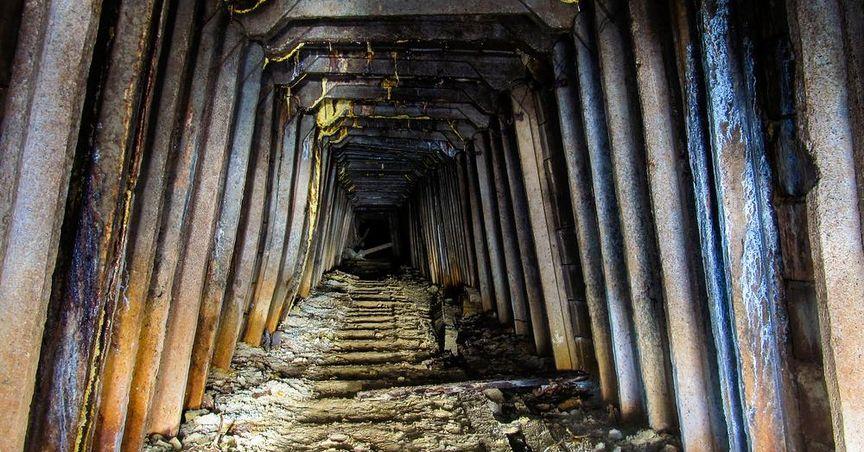
Imperial Metals maintains a portfolio concentrated in British Columbia, a region recognized for mineral resources and established mining infrastructure. The Red Chris mine, in particular, has been the subject of ongoing development discussions, including studies focused on transitioning to underground block cave operations.
Such development pathways typically involve detailed technical assessments, infrastructure planning, and phased implementation. The transition from open-pit to underground mining methods can alter production profiles, operating costs, and resource recovery characteristics. These factors collectively shape the broader narrative surrounding the company’s asset base.
In addition to Red Chris, Mount Polley remains a cornerstone asset. Operational adjustments at this site reflect efforts to align processing strategies with ore characteristics. The interplay between these assets underscores the importance of portfolio diversification within the mining sector.
Market Context and Valuation Factors
Within the broader context of the s and p tsx index, mining companies are often influenced by commodity market dynamics and operational disclosures. For Imperial Metals (TSX:III), recent production data has coincided with notable share price movement over short intervals, contrasted with longer-term declines.
Valuation discussions frequently incorporate elements such as production levels, asset quality, and development timelines. In the case of Imperial Metals, attention has centered on expectations related to Red Chris and its anticipated contribution under future operating scenarios.
Market capitalization figures and intrinsic value estimates have been referenced in external commentary, highlighting differing perspectives on the company’s positioning. These perspectives often hinge on assumptions regarding production scaling, commodity benchmarks, and operational efficiency.
Financing and Capital Structure Considerations
Another aspect influencing perceptions of Imperial Metals involves its financing approach and capital structure. Actions such as early conversion of financial instruments and adjustments to debt obligations have been noted in recent commentary.
Such measures can affect balance sheet composition and cost structures. Reductions in interest-related expenses and restructuring of obligations may alter financial flexibility, though the broader impact depends on multiple factors including commodity conditions and operational performance.
Mining companies often engage in various financing strategies to support development projects and sustain operations. These strategies can include debt instruments, equity arrangements, and partnerships, each contributing to the overall financial framework.
Industry Position and Commodity Exposure
Imperial Metals (TSX:III) operates within a sector closely tied to global demand for copper and gold. Copper is widely used in infrastructure, electronics, and renewable energy systems, while gold serves roles in both industrial applications and as a store of value.
Fluctuations in demand for these commodities can influence company performance indirectly through market sentiment and directly through revenue generation tied to production volumes. As part of the s&p tsx, resource-focused companies often reflect these broader commodity cycles.
The company’s geographic concentration in Canada provides access to established regulatory frameworks and infrastructure, though it also links performance to regional operational conditions and environmental factors.
Strategic Developments and Project Outlook
Ongoing project development remains a central theme for Imperial Metals. The advancement of Red Chris toward underground operations represents a significant milestone in the company’s asset evolution. Pre-feasibility work and technical planning play a critical role in shaping timelines and operational configurations.
Changes in production methods can influence output levels, cost structures, and resource longevity. These factors are integral to understanding how individual assets contribute to overall company performance.
At the same time, maintaining stable operations at existing sites such as Mount Polley continues to be essential. Balancing development initiatives with current production requirements reflects a common challenge within the mining industry.
