
 AUS
AUS
 NZ
NZ
 UK
UK
 CA
CA
 USA
USA
 IND
IND





Highlights
- Copper sector trading activity has drawn sustained attention amid broad materials sector movement.
- Ero Copper has remained closely linked to wider Canadian equity benchmarks tied to resource producers.
- Market valuation narratives continue to shape discussion around established base metal producers.
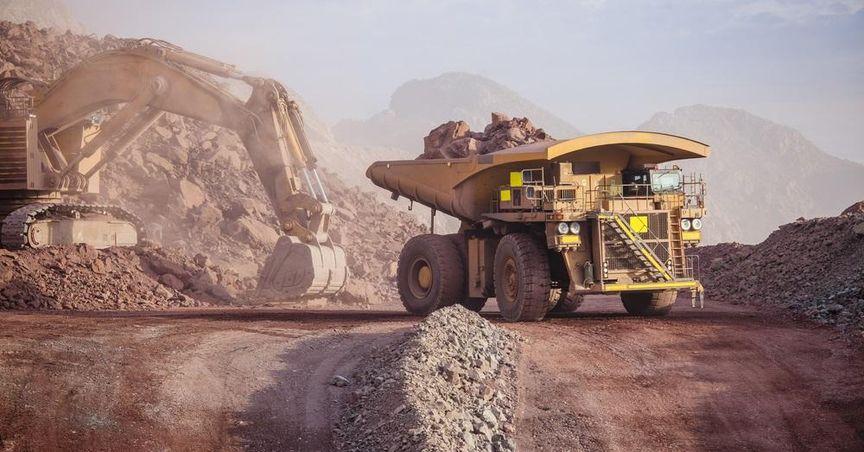
The Canadian mining sector operates within a framework shaped by global demand for industrial metals, supply discipline, and capital allocation across extraction assets, with Ero Copper (TSX:ERO) positioned within this environment as a copper focused producer with operational exposure across the Americas.
How does the copper sector influence equity market behaviour?
The copper sector occupies a central role within global industrial supply chains, linking infrastructure development, manufacturing activity, and electrification trends. Market behaviour within this segment often reflects shifts in macroeconomic expectations, changes in commodity demand patterns, and variations in production costs. Canadian listed copper producers form part of a broader materials ecosystem that responds to international trade flows and industrial usage rather than consumer driven cycles. As a result, equity performance in this sector frequently mirrors broader sentiment toward industrial metals rather than company specific narratives alone.
What factors shape valuation narratives for established copper producers?
Valuation narratives within the copper segment are shaped by production scale, operational efficiency, reserve quality, and jurisdictional stability. Established producers are often assessed through comparative frameworks that examine operational continuity and cost structures relative to sector peers. Market participants also observe balance sheet composition, development pipelines, and exposure to commodity cycles. These elements collectively inform how established copper producers are positioned within broader materials benchmarks, without relying on short term performance signals.
How does index inclusion affect visibility within Canadian markets?
Inclusion within a major Canadian equity index can influence visibility and benchmark relevance for listed companies. Ero Copper forms part of the S and P / TSX Composite Index (TXCX), which represents a broad cross section of publicly listed Canadian companies across multiple sectors. Membership within this index situates the company alongside other large and mid sized issuers, allowing performance to be viewed within a diversified national equity context rather than in isolation.
Why has recent market activity centred on copper focused equities?
Recent market activity surrounding copper focused equities has been influenced by industrial demand signals, infrastructure spending themes, and supply chain considerations. These dynamics have supported heightened attention toward producers with established operations and defined production profiles. Within this environment, copper focused equities have experienced notable trading momentum, reflecting broader materials sector engagement rather than isolated corporate developments.
How do sector benchmarks frame performance discussion?
Sector benchmarks provide a comparative framework that places individual companies within a wider performance landscape. For copper producers, alignment with materials focused indices allows relative movement to be contextualised against peers facing similar market conditions. This approach supports objective discussion by anchoring company level observations to sector wide behaviour rather than standalone performance narratives.
What role does operational scale play in market perception?
Operational scale contributes to market perception by shaping production stability, cost efficiency, and logistical resilience. Companies with established production infrastructure often exhibit more consistent operational profiles across commodity cycles. This consistency can influence how market participants contextualise equity movement within the broader mining landscape, particularly during periods of elevated commodity sector engagement.
How is sector sentiment reflected in trading patterns?
Sector sentiment is commonly reflected in trading patterns through volume concentration, benchmark correlation, and thematic alignment. In the copper segment, sentiment often aligns with infrastructure development narratives and industrial activity indicators. Trading patterns within this space tend to move collectively, reinforcing the importance of sector level context when observing individual equity movement.
What distinguishes copper producers within the materials universe?
Copper producers occupy a distinct position within the materials universe due to the metal’s widespread industrial application and strategic relevance. Unlike precious metals, copper demand is closely linked to construction, manufacturing, and electrification. This positioning creates a differentiated market profile that aligns more closely with industrial growth cycles than with defensive commodity themes.
How do broader economic themes intersect with copper markets?
Broader economic themes such as urbanisation, energy transition, and infrastructure renewal intersect directly with copper markets. These themes influence long term demand visibility and shape how copper producers are discussed within economic commentary. Market narratives often reflect these intersections by linking equity movement to macroeconomic developments rather than short term operational events.
Why is comparative context essential in market discussion?
Comparative context allows equity movement to be interpreted within an appropriate reference frame. Without comparison to sector peers or relevant indices, isolated observations may lack broader relevance. In the copper sector, comparative context supports balanced discussion by aligning company performance with shared industry drivers and common market conditions.
