
 AUS
AUS
 NZ
NZ
 UK
UK
 CA
CA
 USA
USA
 IND
IND




Highlights
- Share movement occurred amid lower than typical trading activity
- Core operations span zinc recovery in Turkey and uranium development in Niger
- EAFD processing contributes the majority of corporate revenue
Global Atomic activity is reviewed in relation to the S&P TSX Index, outlining trading movement, zinc processing operations, and uranium development assets in Niger.
Global Atomic operates within the basic materials sector, combining zinc recovery operations with uranium asset development. Although not a constituent of the S&P TSX Index, trading activity in companies across the s and p tsx index often provides broader context for market sentiment in Canada. Global Atomic Corp experienced a recent decline in share value during a trading session characterized by reduced volume compared with its average daily activity.
The s&p tsx composite benchmark tracks a wide array of Canadian issuers across industries such as materials, energy, and financial services. Movements among materials companies can reflect shifts in commodity markets, currency trends, and industrial demand patterns.
Recent Trading Activity
During a recent session, Global Atomic Corp (TSX:GLO) recorded a decline in share value. Trading volume for the day was below its typical daily average, indicating lighter participation relative to standard market conditions. The shares traded within a narrow intraday range before closing slightly lower than the previous session.
Market capitalization places the company within the small capitalization category on the Toronto exchange. Valuation metrics reflect earnings that remain negative, consistent with ongoing development activities and exploration expenditures tied to uranium projects. Moving averages over shorter and longer time frames indicate that shares have been trading above recent trend lines, despite the daily decline.
Beta measurements, reflecting sensitivity to broader market movements, have remained relatively low. Such readings suggest limited correlation with wider equity fluctuations, although commodity related developments may still influence trading patterns.
Zinc Recovery Operations in Turkey
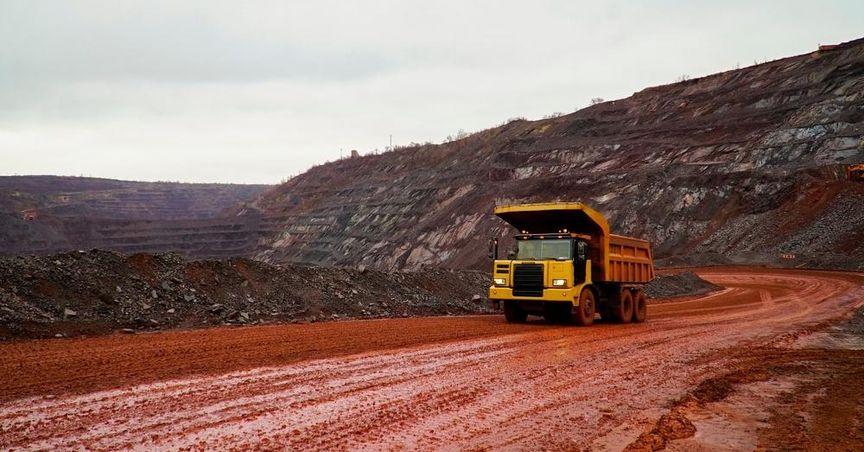
A significant portion of Global Atomic’s business involves processing electric arc furnace dust generated by steel producers in Turkey. Through the Waelz kiln process, the company recovers zinc concentrates from this industrial byproduct. The recovered material is subsequently supplied to zinc smelters for further treatment.
Electric arc furnace dust contains residual metals, including zinc, that can be extracted and reintroduced into the production chain. This process contributes to circular resource utilization within the steel sector. The Turkish facility operates as a joint venture, integrating operational expertise and local market access.
Revenue generated from the electric arc furnace dust segment represents the majority of corporate revenue. The stability of this business line is influenced by steel production levels, industrial output, and demand for zinc in galvanizing and manufacturing applications.
Zinc plays a crucial role in corrosion protection, particularly in the galvanization of steel used in construction, infrastructure, and automotive manufacturing. As a result, trends in these end markets can affect demand for zinc concentrates produced through recycling operations.
Uranium Development in Niger
In addition to zinc recovery, Global Atomic Corp (TSX:GLO) is engaged in the acquisition, exploration, and development of uranium properties in Niger. The company’s principal uranium asset is located in a region known for established uranium production history.
Uranium serves as a key fuel source for nuclear power generation. Demand for nuclear energy is influenced by energy transition initiatives, energy security considerations, and efforts to reduce carbon emissions in electricity generation. Development of uranium assets involves geological assessment, feasibility studies, environmental evaluation, and engagement with regulatory authorities.
Exploration activities encompass drilling programs, resource delineation, and technical studies aimed at advancing project readiness. Development timelines in the uranium sector are typically extended due to permitting requirements, infrastructure needs, and capital intensity.
Niger has long been recognized as a uranium producing nation, and mining activity contributes to its export economy. Political and regulatory developments within the country can affect project advancement and operational planning.
Financial Profile and Operating Metrics
Global Atomic’s (TSX:GLO) financial profile reflects the dual nature of its operations. While the zinc recovery segment generates revenue, uranium development activities contribute to ongoing expenditures associated with exploration and project advancement.
Earnings remain negative, consistent with the capital requirements of resource development. Market capitalization reflects both the operating zinc segment and the perceived value of uranium assets under development.
Liquidity and capital structure metrics are monitored through periodic financial disclosures. These reports outline cash balances, liabilities, and funding arrangements that support ongoing operations.
The company’s shares have traded above both shorter term and longer term moving averages in recent periods, despite daily fluctuations. Such technical indicators are commonly referenced in assessing trading trends, though they do not determine underlying operational performance.
