
 AUS
AUS
 NZ
NZ
 UK
UK
 CA
CA
 USA
USA
 IND
IND






Highlights
- First Majestic Silver sees increased production after Gatos integration.
- Stock demonstrates significant year-to-date and over the last month
- Valuation discussion points to slight overpricing versus current trading levels
First Majestic Silver operates in the precious metals mining sector in Canada. The company focuses primarily on the exploration, development, and production of silver, with several operations in North America.
Which Mines Recently Boosted Company Production
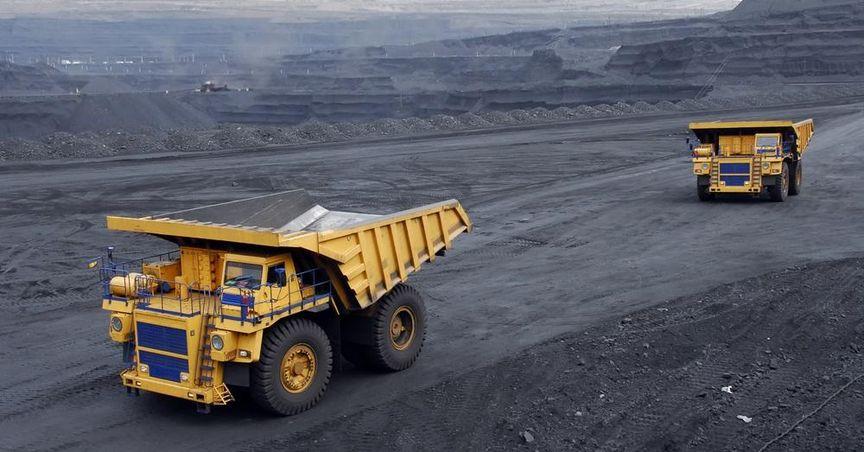
First Majestic Silver (TSX:AG) has expanded its operational footprint with the Gatos mine, situated in a region rich in silver resources. This addition has significantly increased the company’s overall production capacity. The mine employs both underground and open-pit extraction methods, which enhance consistency and reliability in output. The integration of Gatos required the harmonization of operational protocols, modernization of key equipment, and streamlining of workflows across all active sites, ensuring smoother production and operational efficiency. The company’s performance can be contextualized alongside broader sector movements as reflected in the TSX Composite Index.
How Has Production Performance Changed Recently
Following the integration of Cerro, silver production has seen a sharp rise. Operational reports for the third quarter of twenty twenty-five highlight stronger performance compared with previous periods. Improved extraction rates, higher ore quality, and optimized processing techniques have contributed to these gains. Production increases of this magnitude often reflect the successful scaling of mining operations and enhanced efficiency measures.
What Share Performance Trends Are Notable Today
First Majestic Silver (TSX:AG) has displayed significant upward movement in share performance over recent months. The one-month trajectory has been notably high, while year-to-date growth indicates sustained momentum. Over the last twelve months, the company’s shares have outperformed many peers in the mining sector. These trends reflect positive market responses to operational results and overall output growth rather than market speculation or external factors.
Which Factors Influence Current Stock Valuation Assessment
Valuation discussions for First Majestic Silver indicate that the current trading level may already incorporate expectations of higher production. Analysts who track the sector often reference fair value models that factor in operational growth, resource expansion, and cost structures. The assessment shows a minor overpricing in comparison with intrinsic value, highlighting that the market may have adjusted for the increased silver output from Cerro.
How Has Company Strategy Affected Growth Momentum
The integration strategy has been central to recent gains. By incorporating new assets into existing operations, First Majestic Silver has achieved higher production while maintaining cost efficiency. Long-term operational planning, resource allocation, and workforce management have all contributed to the company’s ability to scale rapidly. These steps also help sustain multiyear operational gains, reflecting the effectiveness of its asset utilization strategies.
Which Operational Metrics Demonstrate Expansion Efficiency
Operational metrics such as ore processed, silver grades, and throughput efficiency illustrate the company’s expansion capacity. Metrics for Cerro indicate stable ore quality and consistent extraction performance. These factors are essential in understanding production trends and evaluating the efficiency of combined operations. Improved operational metrics often correspond with stronger market recognition of a company’s capabilities and sector presence.
What Are Market Discussions About Valuation Differences
Market commentary on First Majestic Silver (TSX:AG) centers on whether the stock is fairly valued relative to recent performance. Some assessment frameworks place the current trading level slightly above intrinsic valuation estimates, reflecting optimism around production increases. Other viewpoints argue that operational realities, resource sustainability, and cost management must align with expectations before longer-term valuation conclusions can be drawn.
Which Comparisons Are Used For Sector Benchmarking Today
Comparison with broader indices such as the TSX Composite Index, s&p tsx composite index, and TSX Smallcap Index provides context for performance trends. Relative movement of First Majestic Silver shares against these indices indicates sector-specific factors driving growth, including mining efficiency, regional resource availability, and commodity demand fluctuations. Benchmarks help clarify whether performance is company-specific or reflective of broader market activity.
How Operational Expansion Impacts Resource Allocation Strategy
The addition of Cerro has required adjustments to resource allocation, from labor distribution to equipment deployment. Maintaining production efficiency across multiple sites involves careful planning of logistics, extraction scheduling, and maintenance cycles. Operational expansion also brings the need to ensure compliance with environmental standards and sustainable practices, which are increasingly emphasized in Canadian mining regulations.
What Trends Reflect Shareholder Gains Over Years
Multiyear gains in share performance highlight the effectiveness of operational and strategic initiatives. Year-over-year growth has been remarkable, showing strong momentum compared with sector averages. These trends often reflect confidence in resource management and execution rather than speculative trading activity. The sustained upward trajectory underscores how integrated operations contribute to a company’s presence in the precious metals market.
Which Production Factors Are Critical To Evaluate Today
Production factors such as ore quality, extraction efficiency, and processing throughput are central in evaluating operational health. The Cerro integration brought access to high-grade ore, boosting overall output. Tracking these variables over successive reporting periods can provide insights into operational consistency, scalability, and long-term stability within the silver mining sector.
How Does Company Position Compare With Peers
Relative positioning within the sector demonstrates the effect of expansion strategies. First Majestic Silver maintains competitive production capacity compared with other silver producers in North America. Peer comparison involves evaluating output volumes, operational costs, and resource quality, which help contextualize performance trends within the broader S and P tsx index framework.
What Impact Has Production Upgrade Had On Market Sentiment
The upward revision of production guidance has reinforced perceptions of operational strength. While stock performance reflects these changes, the underlying factor is consistent improvement in output efficiency and resource utilization. Operational communication, reporting clarity, and transparent integration milestones all contribute to perceived credibility and sector positioning.
Which Metrics Determine Company Growth Momentum Today
Metrics including silver extraction rates, ore throughput, and operational efficiency define growth momentum. Enhanced performance following Cerro integration is evident in operational reports, demonstrating higher processing volumes and improved yield. Tracking these metrics against previous periods highlights the tangible effects of expansion strategies and resource alignment.
What Are Share Movements Reflecting Operational Progress
Share movements reflect the market’s interpretation of operational developments. The sharp gains in the last month indicate that market attention has focused on higher production and operational integration success. Sustained upward trends correspond with broader sector performance metrics, as measured against indices such as the TSX Composite Index and s&p tsx composite index.
Which Production Enhancements Have Boosted Output Efficiency
Operational enhancements include equipment upgrades, optimized mining protocols, and improved ore processing methods. These initiatives have collectively improved the efficiency of extraction at Cerro. Enhanced output efficiency ensures that the company can maintain higher production levels while controlling operational costs.
How Do Valuation Models Interpret Recent Growth Trends
Valuation models indicate that current trading may slightly exceed intrinsic levels. These models account for expanded production, operational efficiency, and resource longevity. Minor differences in valuation assessment suggest that recent output gains have already influenced market positioning, reflecting the integration of Cerro.
What Operational Challenges Could Affect Production Sustainability
Challenges such as ore variability, equipment maintenance, and labor scheduling can influence sustained production. Effective management practices are crucial in mitigating these operational risks. Continuous monitoring ensures that production increases are maintained over successive quarters without major disruptions.
Which Benchmark Comparisons Highlight Sector Performance
Comparisons with indices like the TSX Smallcap Index and S and P tsx index show how company performance aligns with broader mining trends. These benchmarks reveal whether output gains are specific to First Majestic Silver or part of sector-wide growth patterns.
How Resource Integration Drives Operational Effectiveness Today
Resource integration from Cerro has streamlined operational workflows. Allocating resources efficiently between sites ensures consistent production while reducing downtime. Effective integration emphasizes coordination across teams, logistical planning, and operational transparency.
Which Production Metrics Are Most Relevant For Assessment
Metrics such as silver yield per ton, ore processing speed, and operational throughput provide a clear view of performance. Increased efficiency at Cerro highlights operational success and contributes to overall company scaling efforts.
