
 AUS
AUS
 NZ
NZ
 UK
UK
 CA
CA
 USA
USA
 IND
IND




Highlights
- Mining activity and operational footprint shape the trajectory of Dundee Precious Metals within the global precious metals sector.
- Production assets and exploration programs remain central to corporate development across several mineral regions.
- Market attention increased after technical movement above a long-term moving average.
Mining developments at Dundee Precious Metals align with broader TSX smallcap Index activity, highlighting gold production operations, mineral exploration initiatives, and evolving trends across the resource sector.
The global mining industry plays a significant role in supplying precious and base metals used in manufacturing, technology, and energy infrastructure. Within this sector, Dundee Precious Metals operates as a gold-focused mining and processing company with projects and operational sites in several mineral-rich jurisdictions. Activity related to the company recently drew attention as market movement aligned with a long-term technical indicator. Sector performance and trading activity across the TSX smallcap Index often reflect broader sentiment around resource producers and mineral exploration enterprises.
Precious Metals Mining and Global Demand
Precious metals remain essential materials for jewelry, electronics, financial reserves, and emerging technological uses. Mining companies operating within this segment focus on discovering mineral deposits, developing extraction facilities, and processing ore into refined materials.
Dundee Precious Metals (TSX:DPM) maintains operations associated with gold production and mineral processing. Core activities involve the exploration and development of deposits that contain gold along with additional metals such as copper and silver. Mining operations generally involve several stages, including geological mapping, drilling campaigns, feasibility assessment, mine development, and long-term processing of extracted ore.
Global interest in gold production often rises during periods of economic uncertainty or currency fluctuations. This dynamic influences activity among mining companies and shapes trading patterns for publicly listed producers and developers. Companies operating in regions with established mineral belts often maintain exploration initiatives alongside existing production facilities to extend the operational life of mining assets.
Operational Footprint and Mining Projects
Mining companies frequently operate across multiple geographic regions to access diverse mineral resources. Dundee Precious Metals (TSX:DPM) has built a portfolio of projects that includes producing mines as well as development and exploration properties.
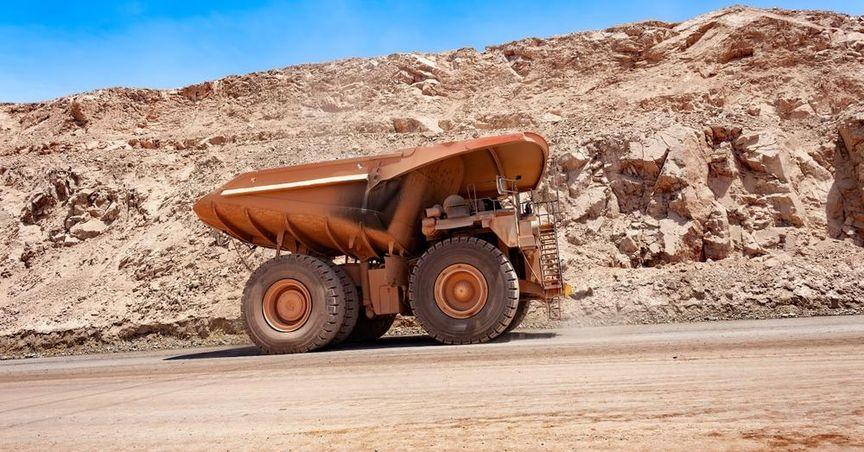
Mining sites typically involve large-scale infrastructure that supports extraction, ore transport, and processing. Facilities may include open-pit or underground mining structures, milling plants, and metallurgical processing units designed to separate precious metals from surrounding rock material.
In addition to extraction operations, mineral processing facilities play a central role in refining mined materials. Smelting and concentrate processing allow mining companies to produce higher-grade metal output from raw ore. These processes rely on advanced metallurgical methods and strict environmental management practices.
Regional mining operations often contribute to local employment, infrastructure development, and supply chain activity. Equipment suppliers, logistics providers, and engineering services frequently operate alongside mining companies to support daily operations at extraction sites.
Market Movement and Technical Indicators
Technical indicators frequently attract attention in equity markets, particularly when trading activity aligns with widely observed benchmarks such as long-term moving averages. Movement above such indicators can trigger additional market activity among traders and financial institutions.
Dundee Precious Metals (TSX:DPM) experienced trading that moved beyond a widely tracked long-term trend indicator, a development that often signals a change in momentum within trading patterns. These indicators track historical trading behavior across extended periods and are commonly used to observe general directional movement.
Market response to technical signals varies depending on sector conditions, commodity demand, and corporate developments such as exploration updates or operational announcements. Precious metals producers may also experience fluctuations associated with global commodity markets, currency movement, and industrial demand for refined metals.
Performance trends among mining companies are sometimes reflected in broader resource-focused benchmarks such as the tsx small cap index, where smaller and mid-tier resource companies contribute to overall sector activity.
Role Within the Mining Ecosystem
Precious metals producers contribute to a broader mining ecosystem that includes exploration firms, engineering companies, and commodity trading networks. Exploration groups often identify new mineral prospects, while established producers develop those discoveries into operating mines.
Mining companies frequently collaborate with geological consultants and technical specialists to evaluate mineral potential in exploration areas. Drilling programs and geological surveys provide critical information used to estimate the size and composition of mineral deposits.
Refining facilities and smelting plants also form part of the supply chain. Concentrate produced at mine sites may be transported to specialized processing facilities where metals are separated and refined into forms suitable for industrial or commercial use.
Global metal markets depend on a steady supply of mined materials to meet demand from electronics manufacturing, construction industries, and renewable energy infrastructure. Gold and copper remain particularly important due to widespread industrial applications and historical significance within financial systems.
Industry Context and Commodity Trends
Precious metals mining remains closely connected to global commodity cycles. Demand for gold, copper, and other metals can fluctuate depending on economic conditions, manufacturing activity, and technological development.
Exploration activity within the mining sector continues to expand in regions known for mineral potential. Geological formations associated with historic mining activity often attract additional exploration work aimed at identifying deeper or previously overlooked deposits.
Mining companies frequently allocate resources toward extending known deposits through drilling campaigns and geological mapping. These activities may uncover additional mineralization zones that support extended operational timelines for established mines.
Within the broader mining landscape, Dundee Precious Metals (TSX:DPM) operates as part of a network of producers supplying metals to global markets. Operational updates, production milestones, and exploration developments often influence attention surrounding companies engaged in precious metals extraction.
