
 AUS
AUS
 NZ
NZ
 UK
UK
 CA
CA
 USA
USA
 IND
IND



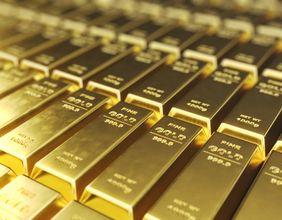



Highlights
- Gold and silver prices surged as market trends showed strength in metals.
- Uncertainty in the U.S. election and anticipation of low-interest rates contributed to metals' momentum.
- Both metals reached levels not seen in years, attracting attention amid global economic shifts.
The precious metals sector, led by gold and silver, witnessed significant price increases, with gold reaching a high and silver following suit. This development aligns with global economic uncertainty, particularly around the U.S. elections and anticipated shifts in interest rates. The market's current behavior highlights a preference for metals, especially in conditions where traditional assets like bonds appear less appealing due to interest rate expectations.
Gold Hits New Highs
Gold futures climbed to nearly $2,770 per ounce, with spot gold reaching above $2,759. These levels have marked a substantial increase, suggesting strong underlying interest in gold amid shifting economic indicators. The movement in gold prices reflects a heightened awareness of its role as a stable asset, particularly when conventional options might be less favorable. Gold’s recent momentum has also positioned it as a popular choice, especially in scenarios where economic forecasting becomes challenging.
Silver Sees Decade-High Gains
Silver futures followed gold's upward trend, reaching over $34 per ounce, a level not observed in more than a decade. The rise in silver aligns with similar drivers affecting gold, suggesting broader enthusiasm within the metals market. Silver’s increase signifies its appeal not only as a secondary metal to gold but also as an asset with independent demand due to its industrial applications. This gain emphasizes silver's dual role as both a safe-haven asset and a commodity with practical use in manufacturing, contributing to its demand across diverse sectors.
Interest Rates and Market Influence
The anticipation of sustained low-interest rates from central banks, especially the Federal Reserve, has influenced the metals market. Lower interest rates can reduce the attractiveness of high-yield assets like bonds, redirecting focus to precious metals. This shift in preference points to the versatility of metals, which often see demand during periods of economic policy adjustments. Lower rates create an environment where metals can offer an appealing alternative, especially as they do not yield interest themselves, preserving their value independent of rate changes.
Long-Term Momentum in Metals
Market analysts observe that this increase may indicate an early phase in a multi-year shift toward precious metals. Gold and silver's momentum is seen as part of a broader adjustment in asset allocation, where metals gain traction in uncertain or low-yield environments. This trend highlights the metals sector’s resilience and adaptability, suggesting it could remain prominent as economic conditions evolve.
This notable surge in precious metals reflects their ongoing relevance amid shifting global economic conditions. Gold and silver have responded to market expectations and may continue to draw attention due to their stability, particularly in low-interest scenarios. As the metals sector adapts to these dynamics, its performance underlines its role in diverse investment strategies.
