
 AUS
AUS
 NZ
NZ
 UK
UK
 CA
CA
 USA
USA
 IND
IND





Highlights
- Desjardins raised FY estimate for Capstone Copper.
- Capstone Copper shares show strong movement on TSX.
- Analysts assign ratings reflecting confidence in copper operations.
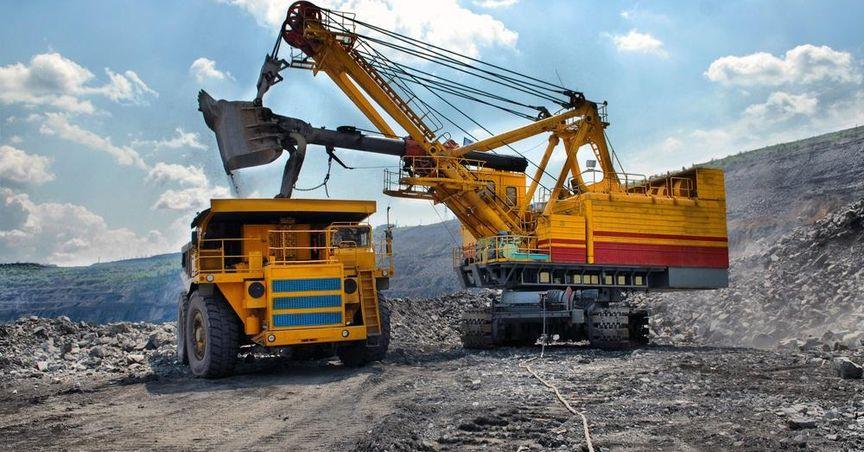
Capstone Copper operates in the mining sector with a strong presence across the Americas. The company focuses primarily on copper extraction, along with secondary production of zinc, molybdenum, silver, and gold.
Capstone Copper (TSX:CS) maintains operations across key regions such as Canada, Mexico, and the United States, with additional development projects in Chile. Its portfolio encompasses both active mines and exploration sites, designed to optimize operational efficiency and increase mineral reserves. The demand for copper is driven by infrastructure development and renewable energy projects, positioning Capstone Copper as a significant contributor to global supply chains.
The company’s recent trading patterns show a notable increase, reflecting broader trends within the TSX Composite Index and its sector peers. Capstone Copper exhibits strong resilience with a 12-month range reflecting steady growth from low points to recent highs. Market participants closely observe moving averages, which provide insight into market sentiment and operational stability.
How Did Desjardins Adjust Estimates
In early October, equities researchers at Desjardins adjusted the FY earnings projection for Capstone Copper. The forecast increase reflects reassessment of operational efficiency and market conditions. Previously lower estimates have been raised to account for stronger-than-expected production metrics and pricing trends. This adjustment sets the earnings estimate above the general consensus in the sector, emphasizing the company's ability to capitalize on favorable market conditions.
Other reports have indicated optimism for Capstone Copper with certain financial institutions assigning elevated ratings, indicating confidence in ongoing operations. The ratings suggest a general expectation for sustained operational output. The assessment highlights Capstone Copper’s current standing within the S&P TSX Composite Index and its weight among mining entities.
Which Trading Metrics Show Capstone Copper Stability
Capstone Copper (TSX:CS) demonstrates notable financial ratios and trading metrics. Its current ratio reflects adequate liquidity relative to short-term obligations, while the quick ratio highlights immediate asset coverage. Debt-to-equity levels indicate a balanced approach toward long-term obligations, with moderate leverage compared to industry peers. The company’s market capitalization shows its relative size and market weight within the TSX Smallcap Index and broader mining sector.
Moving averages offer insight into momentum and price trends. The short-term moving average remains above prior levels, indicating sustained upward momentum, while the longer-term average reflects historical price behavior. Share volatility, measured by beta, indicates sensitivity to broader market movements within the TSX 60. These metrics collectively provide an overview of Capstone Copper’s operational performance and market presence.
What Geographic Operations Strengthen Mining Production
Capstone Copper’s (TSX:CS) operational footprint spans key mining regions in North and South America. Mines in the United States, Mexico, and Canada deliver ongoing production, while development projects in Chile and Canada expand the company’s resource base. The geographic diversity allows Capstone Copper to balance operational risk and capture varied regional opportunities. Copper remains the primary focus, supplemented by zinc, molybdenum, silver, and gold outputs.
Regional operations benefit from differing cost structures, regulatory environments, and resource availability. This diversity supports overall production consistency and mitigates regional disruptions. Capstone Copper’s approach aligns with trends in global supply chains for metals, ensuring steady contributions to both domestic and international markets.
How Do Analyst Ratings Reflect Mining Confidence
A range of ratings has been assigned by market participants for Capstone Copper. Elevated ratings signal confidence in operational execution and market position. Certain institutions have upgraded assessments, reflecting improved performance metrics and growth in earnings expectations. These ratings provide a lens to understand sector perception and market positioning within the S&P 500 TSX Composite Index.
The distribution of ratings across the sector emphasizes varying sentiment among market observers. While some have assigned strong indications, others assign moderate or outperform statuses. Overall, these assessments highlight the company’s positioning within the broader mining industry, demonstrating attention to production levels, financial health, and operational expansion.
Which Operational Ratios Indicate Corporate Strength
Capstone Copper’s (TSX:CS) financial stability is underscored by key operational ratios. Liquidity ratios, including current and quick ratios, demonstrate the ability to manage short-term obligations effectively. Debt-to-equity ratios provide insight into long-term capital management and leverage strategies. High ratios in some areas may indicate growth-driven financing, while balanced ratios highlight measured operational management.
Market capitalization and trading range metrics indicate the company’s relative position within indices such as the S&P TSX Composite Index. Monitoring moving averages and price ranges helps identify trends in operational stability, offering context for sector comparisons.
How Is Copper Market Affecting Mining Companies
Global copper demand plays a significant role in shaping Capstone Copper’s operations. Industrial use, infrastructure projects, and renewable energy development contribute to consistent demand for copper. Fluctuating commodity prices directly influence production planning and strategic allocation across mines. Capstone Copper’s operations remain responsive to such market dynamics, balancing production output with regional and operational considerations.
Market participants observe trading volumes, moving averages, and beta as indicators of sensitivity to market shifts. High beta values indicate responsiveness to broader index movements such as the S&P TSX Composite Index and TSX Composite Index. This helps gauge potential effects on share performance within the mining sector.
What Are Capstone Copper Development Projects Locations
Capstone Copper’s (TSX:CS) development projects extend mining capacity and resource diversity. Active projects in Chile and Canada enhance long-term output capabilities. The initiatives focus on optimizing production methods and expanding reserves. Secondary products, including zinc, molybdenum, silver, and gold, complement copper extraction, adding operational flexibility.
Development projects are structured to balance cost efficiency, regional opportunities, and resource potential. These locations are selected for strategic importance, availability of raw materials, and regulatory support. The combination of active mines and development initiatives positions Capstone Copper within the broader mining landscape and S&P Composite Index coverage.
