
 AUS
AUS
 NZ
NZ
 UK
UK
 CA
CA
 USA
USA
 IND
IND






Highlights:
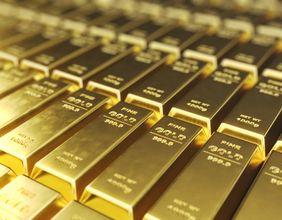
- Precious metals experienced a drop, with gold facing one of its steepest weekly declines.
- The recent dollar surge, influenced by U.S. rate cuts and Chinese economic adjustments, pressured commodity prices.
- Inflation concerns may continue to support gold prices amid rising economic uncertainties.
The precious metals sector recently saw significant shifts, with gold prices declining due to evolving economic factors that impacted global demand. Developments in currency markets and geopolitical uncertainties have influenced the performance of metals such as gold, silver, platinum, and palladium. Gold, typically valued for its role as a hedge against inflation and economic instability, experienced one of its sharpest weekly drops this year, driven by recent currency strength and changes in interest rates.
Impact of U.S. Rate Adjustments on Gold Prices
Recent rate adjustments by the U.S. Federal Reserve have influenced the dynamics of gold and other precious metals. While rate cuts are often favorable for commodities, reactions this week were varied. After announcing a rate cut on Thursday, Federal Reserve Chair Jerome Powell’s neutral position on further adjustments left markets uncertain. Initially, this move boosted gold prices, but broader economic shifts moderated these gains, leading to a significant drop by week’s end.
Dollar Strength and Its Effect on Precious Metals
The rising strength of the U.S. dollar, especially against the Chinese yuan, has applied downward pressure on precious metals. A stronger dollar makes dollar-denominated commodities like gold and silver costlier for international buyers, reducing their appeal. This week marked another consecutive gain for the dollar, driven by expected policy changes under a new U.S. administration, including higher tariffs, tax reductions, and regulatory shifts.
Inflation Concerns Amid Higher U.S. Government Borrowing
Inflation concerns are increasing as potential fiscal policy adjustments suggest heightened government borrowing. Some market observers indicate that this shift may offer continued support for precious metals, particularly gold, as it serves as a safeguard against inflation. While the immediate post-election dip in gold prices surprised some, longer-term inflation pressures could remain a supportive factor for precious metals demand.
Broader Trends in Precious Metals: Silver, Platinum, and Palladium
Gold’s recent performance is mirrored across other precious metals, with silver, platinum, and palladium also experiencing declines. Silver fell below a key threshold, marking its second consecutive weekly drop, and platinum and palladium exhibited similar downward trends. This movement reflects a broader pattern across the precious metals sector, shaped by economic uncertainty and the strength of the dollar.
Geopolitical and Economic Risks as Drivers of Gold Demand
This year, geopolitical tensions and economic risks have been significant drivers for gold, attracting interest from central banks and those seeking safe-haven assets. The precious metals sector experienced a sharp rise earlier in the year as global risks prompted increased purchases. The trend gained further momentum as the Federal Reserve adjusted interest rates, with the upcoming U.S. political climate adding to the demand for safe assets.
Current Price Observations in Precious Metals
Spot gold traded lower in recent market sessions, marking a notable weekly decrease. Simultaneously, the Bloomberg Dollar Spot Index rose, underscoring the strength of the dollar and its impact on commodities. Silver, platinum, and palladium followed similar trajectories, illustrating the continued influence of economic factors on the sector.
The interrelated effects of interest rates, currency strength, and inflation concerns continue to shape the precious metals market. Observers remain attentive to these factors that contribute to fluctuations across gold, silver, platinum, and palladium prices.
