
 AUS
AUS
 NZ
NZ
 UK
UK
 CA
CA
 USA
USA
 IND
IND




Highlights
- Expansion study highlights growing mineral reserves and processing capacity
- Gold district development shapes operational scale and asset positioning
- Sector context connects project growth with broader mining activity
Alamos Gold overview covers district expansion, reserve development, and S&P TSX Index context within the Canadian gold mining landscape and integrated processing framework.
The gold mining sector centers on exploration, development, and production of precious metals that serve industrial, financial, and fabrication markets. Within this landscape, Alamos Gold Alamos Gold (TSX:AGI) operates multi asset gold projects anchored by district scale infrastructure and mill development. Recent discussion surrounding the company aligns with broader attention to benchmark environments such as the S&P TSX Index , where mining issuers represent a significant component of Canadian equity markets. Expansion work at a key operating district has emphasized reserve growth and processing enhancements that frame how the company’s asset base is evolving.
District Expansion and Reserve Development
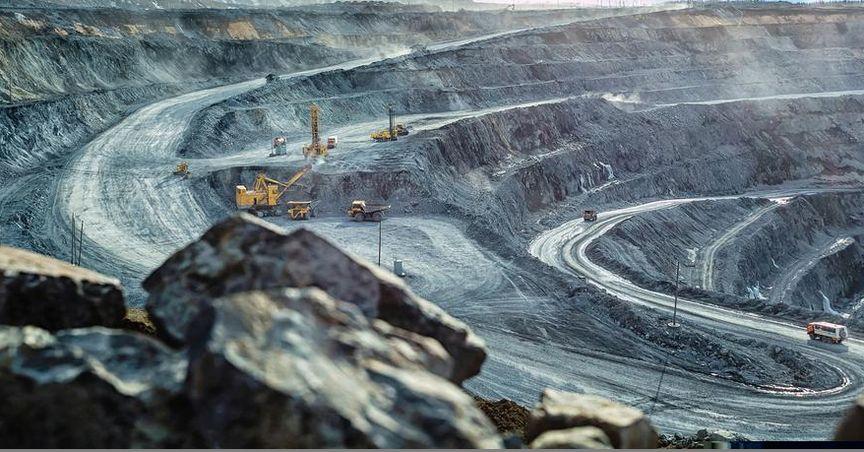
Alamos Gold (TSX:AGI) continues advancing a major gold district through coordinated expansion of underground resources and surface processing facilities. District style mining consolidates multiple deposits under shared infrastructure, enabling integrated planning across extraction, haulage, and milling operations. Reserve growth reflects updated geological modeling and drilling results that extend the life and scale of mineralized zones.
Processing enhancements tied to mill upgrades are designed to accommodate higher throughput and improved operational flow. These developments illustrate how mining companies align resource delineation with plant capacity to support sustained output. Expansion work involves engineering coordination, permitting oversight, and staged construction that maintains continuity with existing operations.
District scale planning allows geological teams to optimize mine sequencing while maintaining flexibility for additional discoveries. By expanding both resource inventory and processing capability, Alamos Gold (TSX:AGI) reinforces the connection between subsurface evaluation and surface infrastructure. This integrated approach characterizes modern gold district management within the s&p tsx composite mining environment.
Market Context and Valuation Framework
Gold producers often attract attention when operational milestones reshape perceptions of asset scale and longevity. For development intensive projects, comparisons between book value and operating assets provide a structural reference for understanding company positioning. Alamos Gold (TSX:AGI) demonstrates how expansion activity can influence how mineral reserves and plant capacity are viewed within broader mining benchmarks.
Asset heavy mining businesses require sustained capital coordination across exploration, engineering, and environmental stewardship. The relationship between reserve growth and mill capability underscores how physical infrastructure anchors the economic life of a mine. Within the S&P TSX Index framework, gold issuers illustrate the importance of linking geological potential with practical processing capacity.
Mining sector participants monitor district level progress as a measure of operational maturity. Expansion announcements often highlight engineering readiness, logistics planning, and workforce coordination rather than short term production changes. This context places Alamos Gold (TSX:AGI) within a cohort of producers emphasizing long horizon asset development tied to geological continuity.
Operational Integration and Processing Capacity
Integrated mine planning connects underground extraction with surface milling to maintain efficient material flow. Alamos Gold (TSX:AGI) structures development schedules around coordinated drilling, ventilation planning, and ore handling systems that feed central processing infrastructure. Milling upgrades support refined throughput management, metallurgical consistency, and environmental compliance.
Processing facilities function as the operational hub of a gold district, translating mined material into recoverable metal through crushing, grinding, and chemical separation stages. Enhancements to plant configuration improve handling flexibility and operational reliability. These systems operate within regulatory frameworks governing tailings management, water use, and reclamation planning.
Operational integration emphasizes synchronization between geological modeling and plant performance. By aligning extraction sequencing with mill capability, mining teams maintain continuity across the production chain. This coordination reflects sector wide practices in which engineering precision and environmental stewardship are integral to district expansion strategies.
Sector Dynamics and Gold Production Landscape
Gold mining operates within a global materials ecosystem influenced by exploration success, metallurgical innovation, and infrastructure development. District expansion projects illustrate how producers pursue resource longevity through continuous drilling and plant modernization. Alamos Gold (TSX:AGI) participates in this landscape by advancing assets that blend geological growth with scalable processing systems.
Mining jurisdictions often support district style development through regulatory frameworks that emphasize environmental oversight and community engagement. Gold producers integrate these requirements into planning cycles to ensure responsible asset progression. Sector dynamics highlight the balance between technical advancement and stewardship obligations that accompany long term mineral development.
Benchmark inclusion within the s and p tsx index context reinforces how gold producers contribute to the structural composition of Canadian equity markets. Mining companies represent capital intensive operations where asset evolution is measured through reserve delineation, engineering upgrades, and coordinated infrastructure deployment.
