
 AUS
AUS
 NZ
NZ
 UK
UK
 CA
CA
 USA
USA
 IND
IND





Highlights
- Global gold producer operating mining projects across several regions with established extraction and processing activities.
- Trading developments drew attention amid broader movements within the Canadian mining sector.
- Operations include exploration, development, and production across multiple mineral assets.
Detailed overview of Agnico Eagle mining activities, exploration programs, and processing operations within the gold sector alongside broader market context connected with the S&P TSX 60 Index.
The mining industry forms a significant component of global resource supply chains, with gold production remaining a central activity within the sector. Companies engaged in precious metal extraction frequently operate across several jurisdictions, combining exploration initiatives with ongoing production activities. Agnico Eagle Mines represents a prominent participant in this landscape, contributing to gold supply through operations located in various mining regions. Activity surrounding the company often appears in discussions related to benchmarks such as the S&P TSX 60 Index, a widely referenced measure tracking major Canadian corporations across several industries including energy, finance, and materials.
Mining enterprises within the gold sector typically manage a network of extraction sites, processing facilities, and exploration properties. Operational continuity depends on geological evaluation, ore extraction, processing technologies, and transportation infrastructure connecting production areas with refining and distribution channels. Developments connected with Agnico Eagle Mines (TSX:AEM) recently drew market attention following updates from financial institutions that adjusted their views regarding the company’s market rating.
Gold Mining Operations and Resource Development
Gold mining companies maintain diverse portfolios of projects encompassing active mines as well as exploration and development properties. These assets often exist in regions with established geological potential and long histories of mineral extraction. Operations generally include drilling programs, geological mapping, ore processing, and metallurgical evaluation.
Mining activities associated with Agnico Eagle Mines (TSX:AEM) extend across multiple regions including North America and parts of Europe. Facilities within these regions conduct extraction and processing tasks designed to separate gold from ore deposits through mechanical and chemical processes. Ore is transported from underground or open pit mines to processing plants where crushing, milling, and refining stages occur.
Exploration activities also remain an essential part of the gold mining sector. Exploration teams examine geological formations through drilling campaigns and field studies to identify mineralized zones. Discoveries within these programs can lead to the development of additional mining infrastructure if mineralization meets operational thresholds.
Production Infrastructure and Processing Techniques
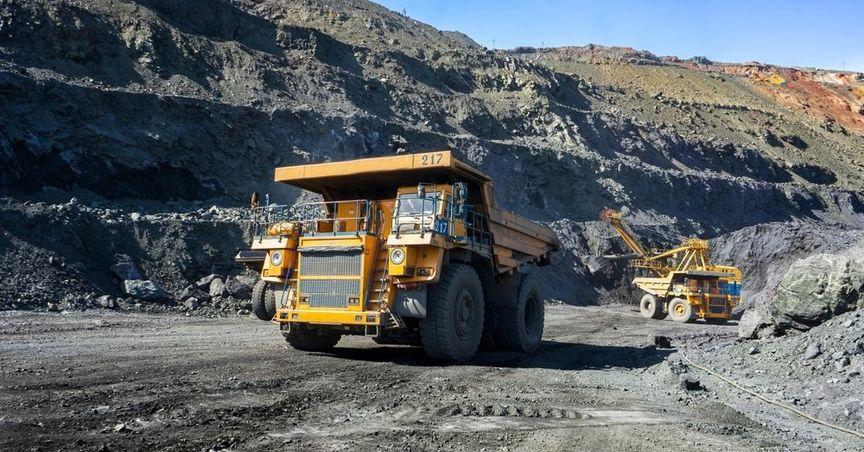
Gold extraction requires specialized infrastructure capable of handling ore materials from mining locations. Mining sites often contain a network of tunnels, shafts, or open pits where ore is removed through controlled drilling and blasting. Equipment used in these environments includes haul trucks, loaders, drilling rigs, and crushing units.
Once ore reaches processing facilities, mechanical and chemical procedures separate valuable minerals from surrounding rock. Crushing and grinding stages reduce ore size before chemical treatment extracts gold particles. Refining processes subsequently purify metal into standardized forms suitable for distribution within international commodity markets.
Operational efficiency within gold mining depends on equipment reliability, geological stability, and efficient transportation systems. Mines typically maintain extensive logistical networks connecting extraction sites with processing plants, storage areas, and transportation routes.
Market Context and the s and p tsx 60
Large Canadian corporations often appear within major equity benchmarks tracking companies across sectors such as materials, financial services, and energy production. These benchmarks provide a broad representation of corporate activity within national markets.
The s and p tsx 60 includes prominent companies recognized for substantial market presence and sector influence. Within this context, mining companies often represent a significant portion of materials sector participation due to Canada’s extensive natural resource base.
Gold producers listed on Canadian exchanges frequently appear in discussions about commodity production trends and global supply chains. Mining output, exploration developments, and operational updates contribute to ongoing discussions surrounding the sector’s activity.
Role Within the Global Gold Supply Chain
Gold mining operations contribute to international commodity supply chains linking extraction sites with refining facilities and distribution networks. After processing, refined gold often enters global markets through bullion exchanges, industrial manufacturing channels, or central storage facilities.
Gold maintains diverse applications including jewelry manufacturing, industrial components, and financial reserves maintained by institutions. Mining companies therefore form a crucial link between natural resource deposits and downstream industries requiring refined metal.
Production continuity relies on exploration activities that replenish mineral reserves and sustain long term operations. Geological teams continuously evaluate existing mining zones and surrounding areas to identify additional deposits that may support ongoing extraction.
