
 AUS
AUS
 NZ
NZ
 UK
UK
 CA
CA
 USA
USA
 IND
IND






Highlights
- Share strength draws attention within the transportation sector
- Valuation methods present varied interpretations of current positioning
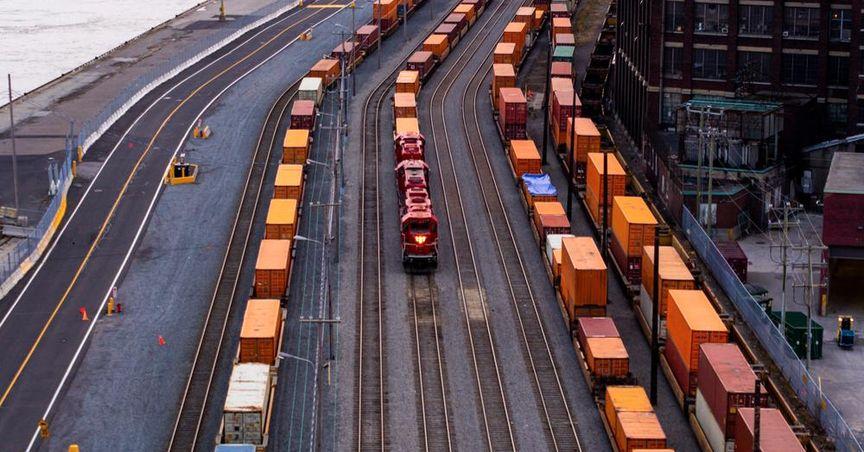
- Rail infrastructure and freight activity remain central to operations
S&P TSX 60 Index coverage highlights Canadian National Railway operations, share movement context, and valuation perspectives within the transportation sector and broader economic framework.
The transportation sector plays a vital role within the S&P TSX 60 Index, where major rail operators contribute to economic connectivity across Canada and North America. Canadian National Railway stands as a prominent freight rail company, operating an extensive network that supports the movement of goods across key corridors. Recent share performance has prompted closer examination of valuation measures and operational context within the broader transportation landscape.
Share Performance and Market Context
Canadian National Railway (TSX:CNR) has recorded steady upward movement in recent trading sessions, reflecting renewed attention toward transportation equities. This pattern aligns with broader developments in freight demand and infrastructure utilization across North America.
Rail networks often respond to macroeconomic conditions, including industrial production, commodity shipments, and cross-border trade flows. Changes in these factors can influence how market participants interpret share movement and operational positioning. The company’s extensive rail system, connecting multiple coasts and inland hubs, provides a structural foundation for sustained activity in freight transportation.
Recent momentum has coincided with ongoing discussions surrounding logistics efficiency and supply chain resilience. Rail transportation remains a key component in addressing these themes, given its role in long-distance cargo movement and integration with other transport modes.
Valuation Approaches and Interpretations
Different valuation frameworks offer varied perspectives on Canadian National Railway. Discounted cash flow modeling focuses on projected cash generation over time, translating expected operational performance into present-day valuation estimates. This approach relies on assumptions related to freight volumes, operating efficiency, and capital expenditure.
Another commonly referenced framework involves earnings multiples, where current earnings are compared against broader industry benchmarks and peer group averages. Such comparisons provide context for how the company is positioned relative to similar transportation entities.
These methods often produce differing conclusions, reflecting variations in underlying assumptions and methodologies. While one framework may align closely with prevailing market levels, another may present a contrasting perspective based on comparative metrics. This divergence highlights the complexity of assessing valuation within sectors influenced by cyclical and structural factors.
Operational Strength and Network Reach
Canadian National Railway operates a rail network that spans multiple geographic regions, linking ports, industrial centers, and distribution hubs. This network supports the transportation of a wide range of commodities, including agricultural products, energy resources, and manufactured goods.
The company’s infrastructure includes rail lines, terminals, and intermodal facilities designed to facilitate efficient cargo movement. Integration with ports and trucking networks enhances connectivity, enabling seamless transitions between transport modes.
Operational performance is closely tied to freight volumes and network efficiency. Factors such as route optimization, equipment utilization, and scheduling contribute to overall system performance. These elements play a central role in maintaining consistent service levels across diverse shipment categories.
Financial Structure and Performance Indicators
Financial metrics associated with Canadian National Railway reflect its position within the transportation sector. Earnings per share, operating margins, and cash flow generation provide insight into operational efficiency and cost management.
Revenue streams are influenced by freight volumes and the mix of commodities transported across the network. Variations in demand for specific goods can affect overall revenue composition, while cost structures are shaped by fuel expenses, maintenance requirements, and labor considerations.
Balance sheet measures, including liquidity and leverage, contribute to an understanding of financial stability. These indicators help illustrate how the company manages operational funding and infrastructure investment while maintaining ongoing rail operations.
Role Within the s and p tsx 60
Within the s and p tsx 60, Canadian National Railway (TSX:CNR) represents a key component of the transportation segment. Rail operators contribute to the index through their role in facilitating trade and supporting industrial activity across the country.
The company’s presence within the index reflects its scale and operational significance. Movements within the transportation sector can influence broader index trends, particularly when freight demand shifts in response to economic conditions.
Rail infrastructure remains a cornerstone of Canada’s logistics framework, supporting both domestic and international trade. Canadian National Railway continues to operate within this environment, with its network playing a central role in connecting supply chains across regions.
Industry Dynamics and Broader Context
The rail transportation industry is shaped by a combination of regulatory frameworks, infrastructure investment, and market demand. Environmental considerations and efficiency initiatives also influence operational strategies, as companies adapt to evolving standards within the sector.
Freight transportation patterns are influenced by commodity cycles, manufacturing activity, and global trade flows. Rail operators must navigate these dynamics while maintaining consistent service delivery across extensive networks.
Technological advancements, including digital tracking systems and automated processes, are increasingly integrated into rail operations. These developments support improved efficiency and transparency within the transportation ecosystem.
