
 AUS
AUS
 NZ
NZ
 UK
UK
 CA
CA
 USA
USA
 IND
IND





Highlights
- TFI International operates across transportation and logistics segments in North America.
- Business structure includes package delivery, truckload, and logistics services.
- Sector developments reflect broader activity across Canadian transportation companies.
TFI International Inc. (TSX:TFII) operates as a diversified logistics provider offering freight movement and delivery services across North America. Companies within this segment often align with broader Canadian market benchmarks such as the tsx completion index, which reflects corporate activity across mid-sized and developing enterprises in sectors including transportation, industrial services, and logistics. The presence of logistics firms within such benchmarks highlights the importance of goods movement in supporting economic activity.
TFI International Inc. organizes operations into multiple service segments designed to address different freight transportation needs. These segments include package and courier services, less than truckload transportation, full truckload freight movement, and integrated logistics solutions. Through this diversified structure, the company provides transportation services that connect manufacturers, retailers, and distribution centers across regional and international markets.
Transportation and Logistics Network Structure
Transportation companies operate through interconnected networks designed to move goods efficiently between origin and destination points. These networks include road transport systems, sorting facilities, and logistics coordination centers. TFI International Inc. maintains a presence across North America through infrastructure that supports freight handling, route management, and delivery operations.
The package and courier segment focuses on the collection, transportation, and delivery of parcels across regional and national networks. This segment typically includes sorting hubs where shipments are processed before distribution to final destinations. Courier operations play an essential role in supporting e-commerce, retail distribution, and document delivery services.
Less than truckload services involve the transportation of smaller shipments that do not require an entire truck. Freight from multiple customers is consolidated into a single vehicle, allowing efficient use of transportation capacity. This segment supports businesses that require flexible shipment volumes without the need for full truckload arrangements.
Freight Transportation Across Multiple Segments
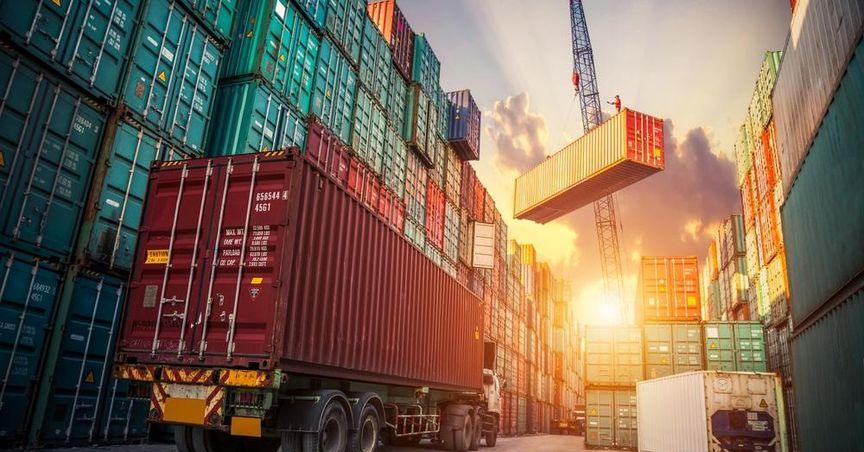
Truckload transportation forms another core segment within logistics operations. This service involves the movement of large freight loads using dedicated trucks. Shipments may include goods transported via flatbed trailers, containers, or specialized equipment designed for specific cargo types. Truckload services support industries such as manufacturing, construction, and large scale distribution.
In addition to truckload operations, logistics services provide coordination across supply chains. These services involve planning, routing, and managing the movement of goods from suppliers to end destinations. Logistics coordination includes tracking systems, inventory management, and transportation scheduling designed to maintain continuity within distribution networks.
Transportation networks rely on integration between these segments to ensure consistent delivery operations. Freight movement may involve multiple stages, including initial pickup, consolidation, long distance transport, and final delivery. Coordination between segments allows logistics providers to manage complex supply chain requirements across diverse industries.
Market Activity and Sector Observations
Recent updates involving TFI International (TSX:TFII) have included adjustments to target levels by various financial institutions. These updates reflect changing perspectives regarding the company’s operational performance and broader transportation sector conditions. Market commentary has highlighted a range of views, with some institutions maintaining positive assessments while others reflect a more cautious stance.
The transportation sector often responds to factors such as freight demand, fuel costs, and supply chain conditions. These elements influence operational activity across logistics networks and impact freight volumes moving through transportation systems. Observations related to TFI International align with broader sector developments affecting logistics providers across North America.
Operational Efficiency and Infrastructure
Logistics companies depend on operational efficiency to maintain consistent service delivery. Infrastructure supporting these operations includes vehicle fleets, distribution centers, and technology systems used for tracking shipments. Route optimization and scheduling systems help improve delivery timelines and resource allocation across transportation networks.
Technology integration has become an important element within logistics operations. Digital platforms support real time tracking of shipments, coordination between dispatch centers, and communication across transportation networks. These systems enhance visibility within supply chains and support decision making related to freight movement.
The integration of logistics technology also enables companies to manage complex distribution networks that span multiple regions. Through centralized coordination systems, logistics providers can monitor shipments, adjust routes, and respond to changing transportation conditions.
Role Within Canadian Market Benchmarks
Transportation and logistics companies contribute to broader Canadian market benchmarks that track industrial and service sector activity. The Tsx Composite Index includes companies representing transportation services, manufacturing support, and supply chain infrastructure. These benchmarks provide insight into the performance of companies operating within essential service sectors that support economic activity.
TFI International operates within this framework as a provider of logistics and transportation services connecting businesses across North America. The company’s presence within the sector reflects the importance of freight movement in enabling trade, distribution, and industrial production.
Transportation networks supported by logistics companies play a key role in maintaining the flow of goods across regional and international markets. These systems connect suppliers, manufacturers, and consumers through coordinated delivery operations and infrastructure.
