
 AUS
AUS
 NZ
NZ
 UK
UK
 CA
CA
 USA
USA
 IND
IND






Highlights
- TFI International operates in transportation and logistics across North America.
- Segment structure includes courier, freight, truckload, and logistics services.
- Recent market activity reflects attention toward operational scale and sector positioning.
Canada’s transportation and logistics sector plays a central role in supporting supply chains across domestic and international markets. TFI International Inc. operates within this sector, providing freight transportation, package delivery, and logistics services across North America. Companies within this industry often align with broader market indicators such as the s&p tsx, which tracks corporate activity across sectors including industrials, energy, and financial services. The inclusion of logistics firms within such benchmarks highlights the importance of transportation infrastructure in facilitating trade and economic connectivity.
TFI International Inc. (TSX:TFII) organizes its operations across multiple service segments designed to address diverse transportation needs. These segments include package and courier services, less than truckload freight, full truckload transportation, and integrated logistics solutions. Through this diversified structure, the company connects businesses and consumers with distribution networks spanning regional and cross border routes.
Transportation Services Across North America
Transportation services form the backbone of logistics operations, enabling the movement of goods across vast geographic regions. Within North America, freight transportation supports industries such as manufacturing, retail, and agriculture by ensuring timely delivery of products and raw materials.
Package and courier services represent one of the key operational segments. This segment focuses on the collection, transportation, and delivery of parcels across urban and regional routes. Courier networks typically involve distribution hubs, sorting facilities, and last mile delivery systems designed to manage high volumes of shipments.
The less than truckload segment addresses shipments that do not require full truck capacity. This service combines multiple smaller shipments into a single transport unit, optimizing route efficiency while maintaining delivery schedules. By consolidating freight, carriers reduce unused capacity within transportation networks.
Truckload and Specialized Freight Operations
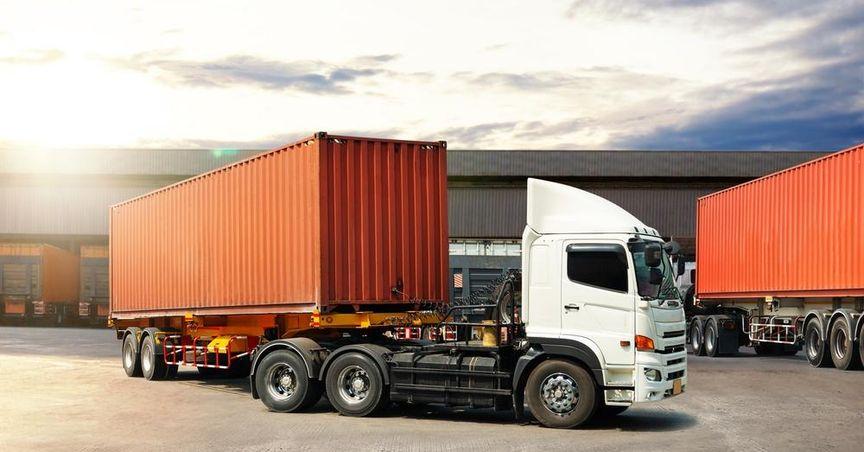
Full truckload services involve the transportation of goods that occupy an entire vehicle or require dedicated handling. This segment supports industries requiring direct shipment routes, such as large scale manufacturing or bulk distribution operations. Vehicles used in this segment may include flatbed trucks, container carriers, and specialized equipment designed for unique cargo requirements.
Specialized freight services cater to industries with specific transportation needs. These services may involve temperature controlled transportation, oversized cargo handling, or equipment designed for industrial materials. Such operations require coordination between drivers, dispatch systems, and route planning technologies to ensure efficient delivery.
Infrastructure supporting these services includes fleet management systems, maintenance facilities, and logistics platforms that track shipments throughout the transportation process. These systems contribute to the coordination of supply chain activities across multiple regions.
Integrated Logistics and Supply Chain Coordination
Beyond transportation, logistics services encompass the coordination of supply chain activities from origin to destination. Integrated logistics solutions involve warehousing, inventory management, freight forwarding, and distribution planning. These services enable businesses to manage product flows across complex supply networks.
Logistics platforms often rely on digital systems designed to track shipments, manage inventory levels, and coordinate transportation schedules. These systems provide visibility across supply chains, allowing for efficient allocation of resources and streamlined distribution processes.
The s&p composite index reflects companies operating across industrial sectors that support economic activity through infrastructure and service delivery. Logistics firms play an essential role within this framework by facilitating the movement of goods across domestic and international markets.
Financial Structure and Operational Metrics
Transportation and logistics companies operate within capital intensive environments requiring investment in fleets, facilities, and technology systems. Operational performance is often influenced by fleet utilization, route efficiency, and cost management associated with fuel, maintenance, and labor.
Balance sheet indicators such as liquidity ratios and leverage structures provide insight into how companies manage operational resources. These metrics reflect the ability to maintain ongoing operations, support expansion of service networks, and manage obligations related to infrastructure investments.
Market activity surrounding TFI International Inc. (TSX:TFII) has recently reflected upward movement associated with revised projections from financial institutions. This activity coincided with the company reaching a new high within a twelve month period, indicating increased attention toward its operational performance and sector positioning.
Dividend Distribution and Shareholder Engagement
Dividend distribution represents one method through which companies return value to shareholders. TFI International has declared periodic distributions aligned with its financial structure and operational performance. These distributions reflect internal decisions regarding allocation of financial resources between reinvestment in operations and distribution to shareholders.
Dividend schedules typically include declaration dates, record dates, and payment timelines. These elements form part of the broader financial framework through which companies manage capital allocation and shareholder engagement.
Logistics companies with diversified operations often maintain steady distribution frameworks supported by ongoing revenue generation from transportation and logistics services. These frameworks are influenced by operational performance, market conditions, and corporate financial strategies.
Sector Position Within Canadian Market Benchmarks
Transportation and logistics firms contribute to the industrial representation within Canadian market benchmarks. The companies across sectors that support economic infrastructure, including transportation, manufacturing, and resource extraction.
The logistics sector connects production centers with distribution markets, enabling goods to move efficiently across supply chains. This connectivity supports domestic commerce as well as cross border trade between Canada and international markets.
Through its diversified service segments and extensive operational network, TFI International Inc. (TSX:TFII) remains integrated within the broader transportation landscape. The company’s activities contribute to supply chain continuity across industries reliant on efficient freight movement and logistics coordination.
