
 AUS
AUS
 NZ
NZ
 UK
UK
 CA
CA
 USA
USA
 IND
IND




Highlights
- Secure Energy Services operates a large waste management and energy infrastructure network across North American resource regions.
- Core operations include waste processing, recycling facilities, crude oil storage systems, and energy transportation infrastructure.
- Infrastructure companies involved in energy logistics are often referenced alongside the S&P TSX Composite Index benchmark.
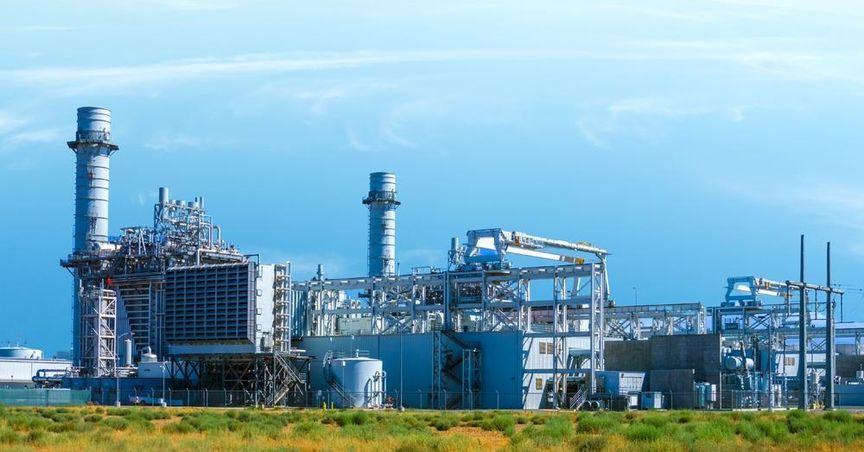
Energy infrastructure and environmental services form an essential part of the modern resource industry by managing industrial byproducts and supporting the transportation of petroleum resources. Secure Energy Services Inc. (TSX:SES) operates within this sector through an integrated network of waste management facilities, crude oil logistics systems, and recycling operations located across energy producing regions. Corporations involved in industrial infrastructure frequently appear in discussions connected with major Canadian market indicators such as the s&p 500 tsx composite index, which reflects the activity of significant publicly traded companies operating across multiple industries within Canada.
Secure Energy Services Inc. maintains an extensive infrastructure network that supports energy producers and industrial operators. These operations include the collection, processing, recycling, and disposal of waste streams generated during petroleum exploration and industrial activity. In addition to environmental services, the company also manages crude oil transportation and storage infrastructure designed to support energy logistics systems.
Waste Management Services for the Energy Industry
Waste management forms a critical component of petroleum exploration and production activities. Energy extraction generates several types of industrial waste streams that must be handled through specialized processing and disposal systems.
Waste streams from drilling operations often include drilling fluids, produced water, contaminated soil, and other byproducts created during hydrocarbon extraction. Environmental regulations require these materials to be processed and disposed of through licensed waste management facilities designed for industrial materials.
Waste processing facilities separate recyclable components from materials that require treatment or disposal. Treatment systems may include thermal processing units, chemical stabilization systems, and filtration processes that remove contaminants before final disposal.
Industrial landfills designed for petroleum byproducts receive treated waste materials that cannot be recycled. These facilities operate under environmental oversight and utilize engineered containment systems that prevent contamination of surrounding ecosystems.
Secure Energy Services operates processing and disposal facilities that manage these industrial waste streams generated across petroleum development regions.
Recycling and Resource Recovery Operations
Resource recovery represents another important component of industrial waste management. Recycling systems allow usable materials recovered from waste streams to be reintroduced into industrial supply chains.
Metal recycling facilities process scrap materials recovered from drilling equipment, industrial infrastructure, and energy production operations. These materials are separated, processed, and prepared for reuse within manufacturing and construction sectors.
In addition to metals, waste processing systems may recover hydrocarbons or water that can be reused in industrial processes. Recovery operations reduce the environmental impact associated with industrial activity while supporting efficient resource utilization.
Through recycling and recovery infrastructure, energy service companies contribute to environmental management systems that operate alongside petroleum production.
Crude Oil Gathering and Transportation Infrastructure
In addition to waste management services, energy infrastructure companies support petroleum transportation through pipeline and terminal systems. Crude oil gathering networks connect production sites with regional storage and transportation facilities.
Gathering pipelines collect crude oil produced from multiple wells and transport it to centralized storage or processing facilities. These pipelines operate as an early stage component of the broader petroleum transportation system.
Crude oil terminals receive hydrocarbons delivered through gathering pipelines. At these terminals, crude oil is stored in large tanks prior to transportation through pipelines, rail systems, or other distribution channels.
Energy logistics infrastructure also includes systems used to handle natural gas liquids and other petroleum products produced during hydrocarbon extraction.
Secure Energy Services maintains gathering and storage infrastructure designed to support crude oil logistics across energy producing regions.
Infrastructure Network Across Resource Regions
Energy service infrastructure often operates within resource rich regions where petroleum exploration and industrial development occur. These regions require specialized facilities capable of managing both energy logistics and environmental management requirements.
Secure Energy Services (TSX:SES) maintains facilities located throughout Western Canada and North Dakota. These regions host extensive petroleum exploration and production activity across major hydrocarbon basins.
Infrastructure in these areas includes waste processing centers, industrial landfills, recycling facilities, and crude oil terminals connected to pipeline networks. This integrated infrastructure network supports the operational needs of energy producers operating across these resource regions.
Industrial operators rely on this infrastructure to manage waste streams generated during drilling operations while ensuring crude oil production can be transported through established energy logistics systems.
Energy Infrastructure and Canadian Market Benchmarks
Energy infrastructure companies represent an important segment within Canada’s industrial economy. Waste management services, petroleum logistics infrastructure, and recycling operations contribute to the broader energy supply chain that supports resource development.
Corporate activity involving companies engaged in industrial infrastructure often appears in discussions connected with market indicators such as the S&P TSX, which includes corporations representing sectors such as finance, industrial services, mining, and energy.
Infrastructure providers supporting petroleum extraction and transportation contribute to the functioning of these industries by maintaining facilities that process industrial byproducts and manage crude oil logistics.
Through waste management services and petroleum infrastructure operations, companies operating within this sector play a role in maintaining the operational framework supporting energy development across North American resource regions.
