
 AUS
AUS
 NZ
NZ
 UK
UK
 CA
CA
 USA
USA
 IND
IND






Highlights
- Revised fiscal earnings projections issued by multiple brokerage firms
- Diversified metals distribution platform across service centers and energy field stores
- Dividend continuity alongside steady trading within industrial sector
Russel Metals’ updated earnings projections and brokerage revisions highlight its role in the TSX smallcap Index and North America’s metals distribution industry.
Russel Metals operates within the industrials sector as a major metals distribution company in North America. As a constituent of the TSX smallcap Index, the company represents a segment of publicly listed firms focused on specialized industrial and resource-linked activities. Russel Metals Inc. has recently been the subject of updated fiscal earnings forecasts from several brokerage firms, reflecting evolving expectations tied to demand conditions and sector performance.
Scotiabank adjusted its fiscal year earnings per share projection for Russel Metals Inc. (TSX:RUS), slightly lowering its estimate compared with a prior forecast while maintaining a positive rating designation. Other brokerage institutions have also revised their target levels, with some raising projected valuations and others moderating their stance. Collectively, published coverage indicates a generally constructive consensus across firms tracking the company.
Core Operations and Business Segments
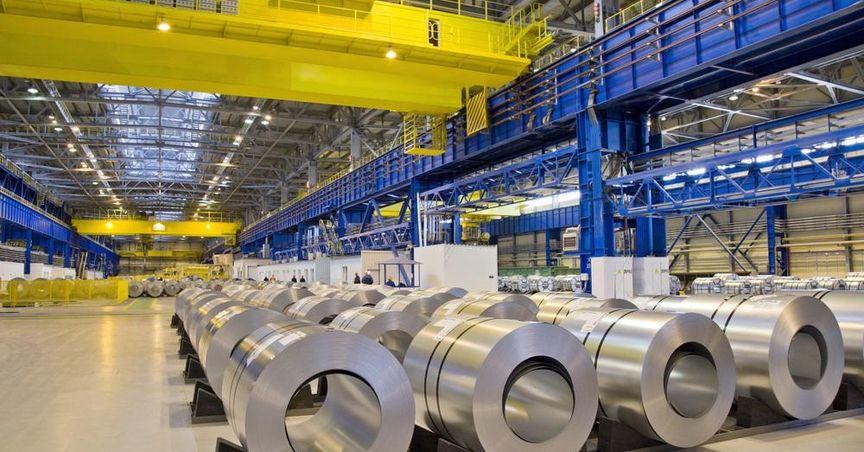
Russel Metals (TSX:RUS) conducts operations through three primary segments: metals service centers, energy field stores, and steel distributors. The metals service center division supplies a wide range of metal products, including carbon steel, stainless steel, aluminum, and specialty metals. Inventory typically spans various sizes, shapes, and specifications designed to meet industrial and commercial requirements.
The energy field stores segment provides specialized products and services tailored to the oil and gas industry. This includes pipe, valves, fittings, and related components used in upstream and midstream operations. Demand within this segment is influenced by drilling activity, energy infrastructure projects, and broader commodity market conditions.
The steel distributors division focuses on large-volume transactions of steel products to resellers and industrial clients. This segment often manages supply chain logistics and bulk shipments across North America. Together, these business lines position the company as an integrated distributor serving construction, manufacturing, energy, and transportation markets.
Brokerage Forecast Revisions
Recent research notes from several financial institutions have outlined adjustments to earnings per share projections for the upcoming fiscal period. Scotiabank marginally reduced its estimate while maintaining an outperform designation. Royal Bank of Canada and TD Securities raised their respective target levels in separate updates. National Bank Financial modified its rating classification, moving to a more neutral stance, while also adjusting its target projection. Stifel Nicolaus issued a revised target accompanied by a neutral rating.
The aggregate of these updates results in a consensus view categorized as moderately positive. Forecast revisions commonly reflect updated assumptions related to steel pricing trends, shipment volumes, inventory management, and margin performance. Changes in construction activity, manufacturing output, and energy sector spending can also influence brokerage models.
Within the smallcap Index landscape, industrial distributors such as Russel Metals often experience earnings variability tied to commodity cycles and end-market demand. Brokerage firms incorporate macroeconomic indicators, supply chain developments, and sector-specific trends into their financial projections.
Market Performance and Financial Metrics
Shares of Russel Metals (TSX:RUS) have traded within a defined range over the past year. Recent sessions show trading levels near the midpoint of that annual span. Moving average indicators calculated over medium- and longer-term intervals suggest relative stability compared with earlier fluctuations.
Market capitalization places the company among mid-tier industrial distributors within Canada’s public markets. Valuation measures such as the price-to-earnings ratio provide context regarding how earnings performance is reflected in share valuation. Beta metrics indicate sensitivity to broader market movements, with readings near unity suggesting alignment with general market volatility.
Liquidity indicators, including current and quick ratios, demonstrate the company’s capacity to meet short-term obligations using available assets. A moderate debt-to-equity ratio reflects a balanced capital structure typical of distribution businesses that require inventory financing and working capital support.
Dividend Practices and Capital Allocation
Russel Metals has maintained a regular dividend program, distributing cash payments to shareholders on a quarterly basis. The annualized dividend reflects a payout ratio aligned with earnings levels reported in recent periods. Dividend continuity is often viewed as an indicator of stable cash flow generation within industrial distribution businesses.
Capital allocation decisions in this sector frequently balance reinvestment in inventory and processing capabilities with shareholder distributions. Value-added processing services, including cutting, shaping, and finishing metal products, represent areas of operational focus. Such services can enhance margins compared with pure commodity distribution.
Within the tsx small cap index environment, companies often prioritize operational efficiency and disciplined working capital management. Inventory turnover, supplier relationships, and transportation logistics play significant roles in overall performance.
Industry Context and Demand Drivers
The metals distribution industry is closely linked to construction activity, infrastructure development, energy exploration, and manufacturing output. Carbon steel and specialty metals are essential inputs for building projects, machinery production, and energy infrastructure. As a result, shifts in economic growth, public infrastructure spending, and industrial activity can influence shipment volumes and revenue.
Energy field stores depend on oil and gas drilling programs, pipeline construction, and maintenance cycles. Fluctuations in commodity prices and exploration budgets may affect order flow within this segment. Steel distribution operations are similarly tied to manufacturing demand and export activity.
North American trade dynamics, including tariffs and supply chain adjustments, can impact sourcing costs and product availability. Distribution companies often manage inventory strategically to mitigate supply disruptions and respond to customer demand shifts.
Russel Metals Inc. (TSX:RUS) continues to operate within this cyclical environment, leveraging its network of service centers and distribution facilities across Canada and the United States. Operational scale and product breadth enable service to a diverse customer base spanning multiple industries.
Position Within the Smallcap Landscape
As part of the TSX smallcap Index, Russel Metals reflects the characteristics of established yet growth-oriented industrial enterprises. Constituents of this index typically exhibit specialized market positions and exposure to sector-specific drivers. Performance within the index can be influenced by commodity trends, domestic economic conditions, and global trade flows.
Earnings forecast revisions from brokerage firms underscore ongoing monitoring of demand conditions and margin performance. While some institutions have moderated projections slightly, others have raised target levels based on revised assumptions. Such diversity of views is common within cyclical industries.
Operational updates and financial disclosures remain key reference points for market participants evaluating the company’s trajectory. Inventory management, shipment volumes, and cost controls continue to shape earnings outcomes in the metals distribution space.
