
 AUS
AUS
 NZ
NZ
 UK
UK
 CA
CA
 USA
USA
 IND
IND






Highlights:
Westshore Terminals Investment Corporation operates a coal storage and loading terminal in British Columbia.
The company generates revenue through loading fees for coal shipments from Canada and the U.S.
Stock movement reflects industry demand, coal exports, and operational developments.
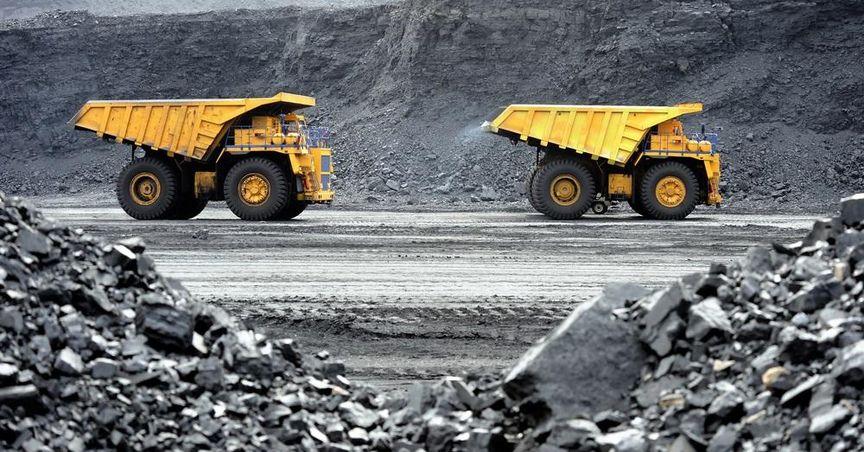
Westshore Terminals Investment Corporation (TSX:WTE) operates within the coal transportation sector, providing storage and loading services at its terminal in Roberts Bank, British Columbia. The company handles coal shipments from mines in British Columbia, Alberta, and the northwestern United States, supporting coal exports to global markets.
Coal remains a significant energy resource, with transportation infrastructure playing a key role in connecting production regions to international demand. Westshore Terminals' operations contribute to supply chain efficiency by facilitating coal shipments for domestic and international trade.
Stock Performance and Market Trends
Stock movement reflects factors such as global coal demand, transportation efficiency, and operational activity at the terminal. Market conditions influence price fluctuations, with industry trends playing a role in valuation. The company’s stock activity aligns with developments in the coal sector and broader market sentiment.
Trading volumes and stock trends provide insights into market participation and interest in coal logistics. The company’s revenue structure, based on coal loading fees, links its financial performance to coal shipment volumes and terminal activity.
Coal Exports and Terminal Operations
Westshore Terminals serves as a key export facility, handling coal shipments for international markets. The terminal’s infrastructure supports bulk commodity transportation, with operational capacity affecting coal export efficiency.
Coal shipment volumes are influenced by production levels, export agreements, and global demand. Westshore Terminals' role in coal logistics supports supply chain stability, with loading rates contributing to revenue generation. The company's terminal operations impact coal transportation dynamics, playing a role in resource movement and export activity.
Global Demand for Coal and Industry Outlook
The coal industry operates within a changing energy landscape, with market demand shaped by industrial use, energy production, and policy factors. Export trends influence coal shipment volumes, affecting transportation and storage requirements.
The company’s operations align with global coal trade dynamics, with terminal activity reflecting shifts in export markets. Coal pricing, supply agreements, and logistical factors contribute to transportation efficiency, influencing stock movement and operational focus.
Market Developments and Business Positioning
Industry developments, trade policies, and energy sector trends impact coal transportation businesses. Westshore Terminals' stock movement aligns with operational performance and broader coal market conditions. The company’s business model, centered on coal export logistics, connects production regions to seaborne markets.
Stock valuation reflects business operations, market conditions, and transportation demand. The coal logistics sector remains a key part of energy supply chains, with terminal operations playing a role in global resource movement.
