
 AUS
AUS
 NZ
NZ
 UK
UK
 CA
CA
 USA
USA
 IND
IND





Highlights
- Aerospace and manufacturing conglomerate draws renewed attention following updated earnings expectations
- Market commentary reflects varied views on valuation across brokerage coverage
- Balance sheet structure and diversified operations remain central to corporate profile
Exchange Income in the TSX smallcap Index highlights aviation and manufacturing operations, financial structure, and sector trends influencing diversified industrial performance across markets
The industrial and transportation-linked sector forms part of the broader landscape within the TSX smallcap Index, which includes diversified companies operating across aviation, manufacturing, and infrastructure-related services. Exchange Income operates within this environment as a multi-division corporation with exposure to aerospace services and industrial manufacturing activities across North America.
Diversified Operational Structure
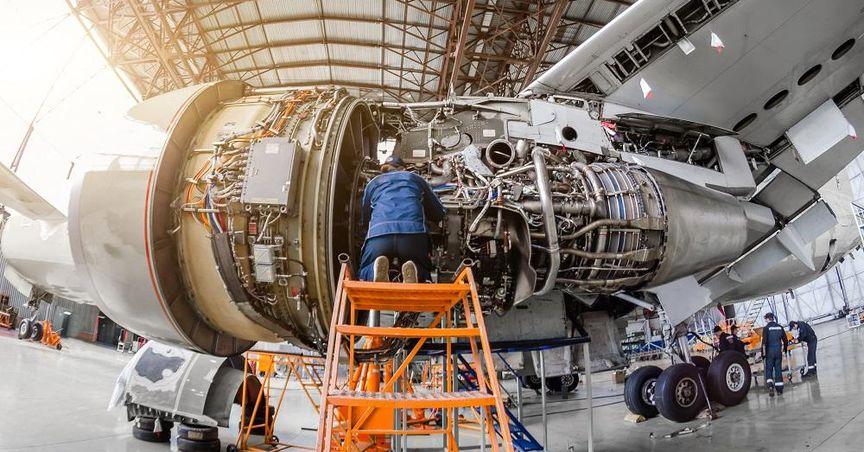
Exchange Income (TSX:EIF) is structured around two primary business segments, aerospace and aviation services alongside manufacturing operations. The aerospace division includes regional air transportation services and related support activities, while the manufacturing segment focuses on specialized industrial production for niche markets.
The company’s operating model emphasizes ownership of multiple subsidiaries that function across distinct but complementary industries. These subsidiaries operate in regions across Canada and selected international markets, contributing to a diversified revenue base that spans both service and product-oriented operations.
The aerospace segment includes aviation services that support remote and regional connectivity, while the manufacturing segment produces engineered products used in industrial and infrastructure applications. This dual structure provides exposure to different demand cycles within the broader industrial economy.
Market Performance and Trading Conditions
Recent market activity surrounding Exchange Income (TSX:EIF) has reflected fluctuating sentiment, with share movement influenced by earnings expectations, sector conditions, and broader economic factors. Trading patterns have shown periods of volatility, consistent with other industrial conglomerates operating in cyclical sectors.
Market participants have responded to evolving expectations around operational performance and financial reporting. Variability in trading activity is common among diversified industrial firms, particularly those with exposure to aviation services and capital-intensive manufacturing operations.
Within the context of the tsx smallcap index, industrial and transportation-linked companies often experience shifts in sentiment tied to macroeconomic conditions, supply chain dynamics, and capital expenditure trends across end markets.
Earnings Profile and Revenue Composition
Exchange Income generates revenue through a combination of aviation services and manufacturing output. The aerospace division contributes through flight operations, maintenance services, and related aviation activities, while the manufacturing division generates revenue from industrial production contracts and engineered solutions.
Earnings performance is influenced by fleet utilization in aviation operations and demand cycles in industrial manufacturing markets. Contract stability and operational efficiency across subsidiaries play a role in shaping financial outcomes across reporting periods.
The diversified nature of the business model provides exposure to multiple revenue streams, which can help balance variations in demand across different segments. However, operational performance remains closely linked to sector-specific conditions in both aviation and manufacturing industries.
Financial Structure and Capital Position
The financial structure of Exchange Income reflects the capital-intensive nature of its operations. Aviation assets require significant ongoing maintenance and periodic replacement, while manufacturing operations involve investment in equipment and production capabilities.
Debt levels are a key component of the company’s capital framework, supporting acquisition activity and operational expansion across subsidiaries. The balance between debt obligations and cash generation from operating subsidiaries is a central element of financial management.
Liquidity and capital access remain important considerations for maintaining operational continuity across both aerospace and manufacturing segments. Financial performance is closely tied to the ability of subsidiaries to generate stable cash flow across varying market conditions.
Sector Environment and Competitive Context
The industrial and aviation services sector operates within a broader global environment shaped by trade flows, transportation demand, and manufacturing activity. Companies in this space compete on service reliability, operational efficiency, and geographic reach.
Exchange Income operates in niche markets across both aviation and manufacturing segments, where specialization and regional presence are key competitive factors. The aerospace division competes with other regional carriers and aviation service providers, while the manufacturing segment competes in specialized industrial production markets.
Within the TSX smallcap Index, companies with diversified industrial operations often reflect broader economic cycles, including fluctuations in infrastructure spending, transportation demand, and industrial production activity.
Valuation Perspectives and Market Sentiment
Valuation perspectives for Exchange Income vary depending on assumptions related to earnings stability, segment performance, and capital structure. Some views emphasize the stability provided by diversified subsidiaries, while others focus on leverage levels and exposure to cyclical industries.
Differences in valuation approaches are common in conglomerate structures, where multiple business segments operate under a single corporate framework. Market sentiment can shift based on changes in expectations for aviation demand and industrial output.
Exchange Income (TSX:EIF) remains subject to differing interpretations of its earnings consistency and segment diversification, which can influence how its financial profile is assessed across varying market conditions.
Operational Considerations and Industry Dynamics
Operational performance across Exchange Income is influenced by fleet availability, manufacturing capacity utilization, and demand conditions in end markets. Aviation operations depend on aircraft maintenance cycles and route demand, while manufacturing operations depend on industrial order flow and project activity.
Supply chain conditions, regulatory frameworks, and labor availability also play roles in shaping operational efficiency across subsidiaries. These factors can influence both segments differently, depending on external market conditions.
The company’s dual-sector structure creates exposure to distinct operational environments, requiring coordination across aviation and industrial manufacturing divisions.
