
 AUS
AUS
 NZ
NZ
 UK
UK
 CA
CA
 USA
USA
 IND
IND






Highlights
- Stock moved above a widely watched long-term trading average during the latest session
- Brokerage firms have recently reiterated favourable views on the company
- Operations span distribution, timberlands, and value-added wood treatment
Building materials distribution sits at the centre of residential construction, renovation activity, and industrial supply chains across Canada. Companies in this space typically handle lumber, panels, engineered wood, hardware.
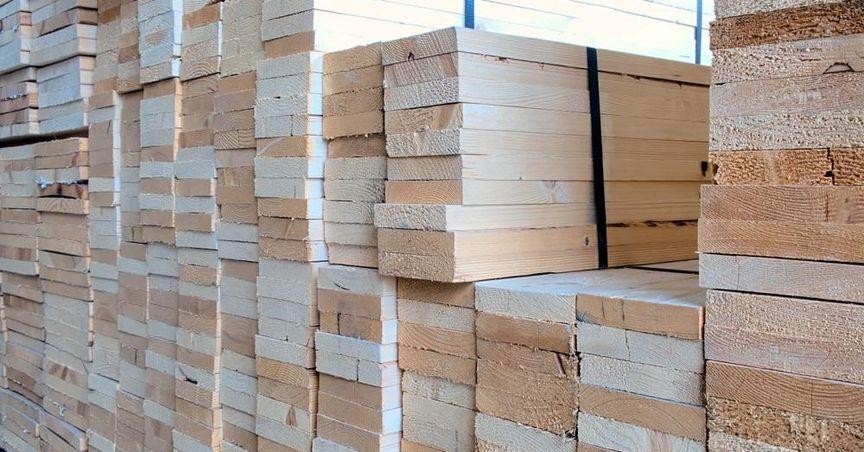
Doman Building Materials Group Ltd (TSX:DBM) move building materials and complementary renovation products through the supply chain, connecting producers with retail lumber yards, contractors, and manufacturers. Business conditions in this space often track residential construction activity, renovation demand, and overall building trends. Day-to-day performance is commonly influenced by procurement discipline, transportation and warehouse execution, service levels across branches, and how effectively inventory is balanced through changing market cycles.
Doman Building Materials Group operates within this sector as a wholesale distributor serving construction and renovation end markets, alongside industrial customers that rely on steady access to wood products and related materials. The firm’s footprint also includes timber ownership and the management of private timberlands and forest licences, creating additional exposure to fibre supply and resource management. Within Canadian equity coverage, the name is also referenced in the broader context of the TSX Smallcap Index, where small and mid-sized issuers are often tracked for sector rotation and market breadth.
Recent Session Technical Signal
During the latest session, Doman Building Materials Group shares traded above a long-term moving average that many market participants watch to gauge trend direction. A move above this type of reference level is often interpreted as a shift in technical posture, particularly when it follows a period of trading closer to shorter-term averages. The session included intraday strength that carried the shares to a higher point before they finished below the day’s peak while still remaining above the long-term average line.
For (TSX:DBM), this development arrived alongside a backdrop where shorter-term trading levels have been hovering nearer to the long-term reference, reflecting a period of consolidation rather than extended momentum. Market observers often watch whether trading remains consistently above the long-term average over subsequent sessions, as durability can matter more than a single intraday crossover. This type of technical event is frequently monitored because it is visible, widely referenced, and easy to track across charting systems.
Trading Activity And Sentiment
Trading interest during the session appeared healthy, with active turnover that indicated meaningful participation rather than a thin, low-liquidity move. When a stock crosses a commonly followed trend gauge with solid activity, it can draw additional attention from market participants who focus on technical triggers, including those who track breakouts, trend confirmation, or changes in relative strength within a sector group.
Even so, intraday swings can occur for many reasons, including sector moves, macro headlines, changes in commodity-linked sentiment, and day-to-day positioning. In building materials, short-term trading can also respond to perceptions around housing conditions, renovation demand, and supply chain developments. For (TSX:DBM), the session action aligned with a constructive technical shift while leaving room for ongoing evaluation of how the shares behave around the same reference level in coming sessions.
Brokerage Commentary And Ratings
Several brokerage firms have recently weighed in with favourable stances on Doman Building Materials Group (TSX:DBM). Coverage referenced positive perspectives using rating language that indicates confidence relative to broader market comparisons, while one firm maintained a more neutral posture. Across the set of published views cited in the source material, most coverage leaned positive, with a smaller portion expressing a wait-and-see stance rather than an outright negative view.
Recent commentary also included revisions to published valuation frameworks, though specific figures are not reproduced here. Changes of that type often reflect updates to expectations around operating conditions, sector comparables, or company execution rather than a single data point. For (TSX:DBM), the recurring theme in the referenced coverage was broadly supportive, with multiple firms reiterating favourable ratings within the period described.
Balance Sheet And Liquidity
The company’s financial position, as described in the source material, includes leverage and liquidity indicators that are commonly referenced in corporate coverage. Distribution businesses often carry significant working capital requirements due to inventory management, customer terms, and the need to maintain product availability across yards and channels. Liquidity measures can be particularly relevant in this sector because demand can be cyclical, and inventory decisions can influence cash conversion timing.
In addition, leverage levels can reflect a mix of acquisition history, capital structure choices, and the operating cycle of the business. For (TSX:DBM), the referenced metrics pointed to notable leverage alongside liquidity ratios that suggest capacity to cover near-term obligations under typical operating conditions. Such measures are often reviewed together rather than in isolation, as the interaction between working capital needs and financing structure can shape flexibility during shifting market environments.
Operations And Market Reach
Doman Building Materials Group (TSX:DBM) is described as a wholesale distributor of building materials and home renovation products, serving new home construction, home renovation, and industrial markets. The customer landscape includes retail and wholesale lumber and building materials businesses, hardware stores, and industrial and furniture manufacturers, along with other trade customers that require consistent supply and product breadth. This type of diversified end-market exposure can support volume stability when one channel slows while another remains active.
Distribution scale typically relies on logistics execution, supplier relationships, and the ability to maintain service levels across regions. In the building materials space, product mix and regional reach can influence competitiveness, particularly where customers value reliable delivery, consistent grade availability, and dependable fulfilment timelines. For (TSX:DBM), the operating description emphasizes participation across multiple demand sources rather than dependence on a single buyer type.
Timberlands And Fibre Business
Beyond distribution, the company also has timber ownership and is involved in managing private timberlands and forest licences. These resource-focused activities can support access to fibre supply and help coordinate sourcing across the broader operating network. Timberland management commonly involves responsible land stewardship, harvest scheduling, and compliance with applicable regulations that shape how forestry assets are managed and commercialized. This business profile is often discussed alongside broader market groupings such as the TSX Smallcap Index.
The operations also include agricultural post-peeling and pressure treating through an affiliated entity, which is positioned within value-added wood processing. Pressure treating and related services can support downstream applications where durability and specification compliance matter, including outdoor and structural uses that require treated wood products. This blend of distribution plus value-added and fibre exposure gives (TSX:DBM) a business profile that extends beyond pure wholesale logistics.
