
 AUS
AUS
 NZ
NZ
 UK
UK
 CA
CA
 USA
USA
 IND
IND






Highlights
- Canadian building materials distributor serving construction renovation and industrial supply networks
- Brokerage research groups express favourable sentiment across Canadian market coverage
- Operations include timberlands management distribution services and treated wood production
The building materials distribution sector in Canada plays a vital role in supporting residential construction, renovation activity, and industrial manufacturing. Companies operating in this segment supply lumber, structural materials.
Doman Building Materials Group Ltd (TSX:DBM) operates within Canada’s building materials distribution space, supplying products to retailers, construction businesses, and manufacturing groups across the country. Within this sector, serves multiple parts of the construction supply chain through the distribution of lumber products, hardware materials, and specialised wood treatment solutions. Its operations support homebuilding activity, renovation projects, and industrial demand, while also reflecting the broader movement of materials across Canada’s construction market. The company’s presence within the Canadian smallcap segment also places it alongside businesses tracked under the TSX Smallcap Index.
Across Canada’s construction ecosystem, distributors maintain logistical networks connecting forestry resources with retail and wholesale building suppliers. This sector often integrates forestry management, timber processing, and product distribution. Through these interconnected activities, firms support builders, hardware retailers, and manufacturers that rely on a steady supply of lumber and construction materials. Within this environment, functions as a distributor with additional involvement in timber and wood treatment operations, enabling the organisation to participate in multiple stages of the supply chain.
Canadian Building Materials Sector Overview
Canada maintains a large building materials ecosystem driven by residential development, infrastructure activity, and renovation projects. Lumber, plywood, treated wood, and structural components form essential elements of construction projects across the country. Distributors act as the connection between forestry producers and retailers supplying contractors and builders. These networks allow materials to move from timber harvesting and milling operations toward hardware stores, manufacturing facilities, and construction sites.
Within this supply chain, companies often manage warehousing, transportation, and distribution facilities that coordinate product flow across provinces. These operations support consistent availability of building supplies for construction companies and retail outlets. The role of distributors remains significant because they bridge large forestry operations with smaller retail networks that serve local communities throughout Canada.
Another component of this sector includes timberland management and wood treatment processes. Forestry resources provide raw material for lumber production, while specialised treatment techniques extend wood durability for outdoor or structural uses. Distributors involved in these operations can supply products that meet varying construction requirements while maintaining integrated access to forestry resources.
Brokerage Research Coverage And Ratings
Coverage from brokerage research groups reflects attention toward Canadian building materials distributors operating within the public markets. Several research firms currently track (TSX:DBM) and provide commentary on corporate developments and operational performance. These groups examine factors such as distribution capacity, product portfolio, supply chain integration, and exposure to housing and renovation activity across Canada.
Among brokerage coverage, the majority express favourable sentiment toward the company’s operations. Research commentary includes updates following corporate announcements and operational developments. Some brokerage houses maintain supportive recommendations reflecting their views regarding the company’s distribution network and its position within the construction supply chain.
Brokerage research also references updates from financial institutions that monitor the organisation’s activities within the Canadian building materials sector. Coverage includes commentary from firms such as Stifel Nicolaus, Desjardins, Raymond James Financial, and National Bank Financial. These groups periodically revise commentary based on developments related to company operations, market conditions, and sector dynamics.
Distribution Network Supporting Construction Supply
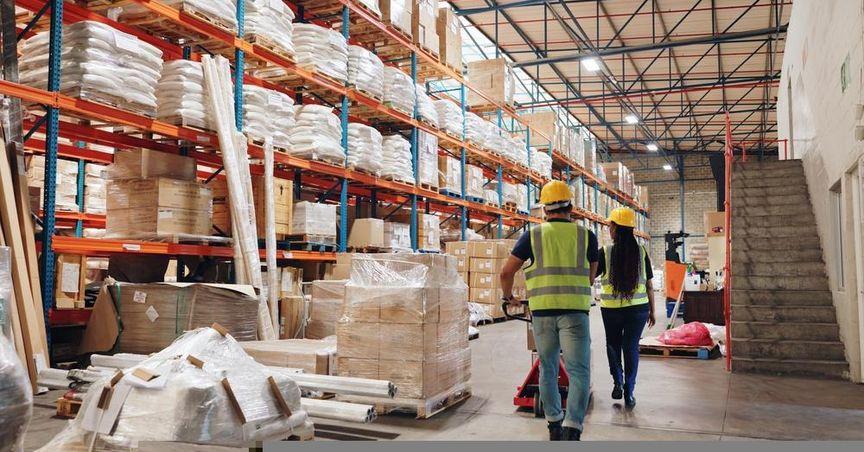
Distribution operations form the core of the company’s activities. Through a network of facilities and logistical systems, the organisation supplies building materials and lumber products to businesses involved in construction and renovation. Retail hardware stores, lumber dealers, and industrial manufacturers represent key customers receiving materials through the distribution system.
The company supplies structural lumber, engineered wood products, and related building materials used in residential construction and renovation projects. These materials move through warehouses and distribution centres before reaching local retailers and wholesale suppliers across Canadian markets. This network enables efficient product movement between forestry producers and downstream construction suppliers.
Beyond residential construction, the organisation also serves industrial and manufacturing clients. Furniture manufacturers, industrial facilities, and related businesses utilise lumber and wood products within their production processes. Through its distribution network, the company supports these industries by providing access to materials used in manufacturing and construction-related applications.
Timberland Forestry Resource Integration
In addition to distribution activities, forestry resource management represents another component of operations. The organisation maintains involvement in timber and management of private timberlands along with forestry licences. These resources provide access to raw timber supplies used within the lumber production chain.
Timberland management includes oversight of forest areas where trees are cultivated, harvested, and prepared for processing. Forestry operations contribute to the broader lumber supply chain by supplying logs that move toward sawmills and processing facilities. By participating in forestry activities, the organisation maintains a connection between resource management and building materials distribution.
Forestry involvement also reflects the importance of sustainable timber practices within Canada’s building materials industry. Timber harvesting and management often follow established forestry guidelines designed to balance resource utilisation with environmental stewardship. Companies engaged in timberland operations participate in forest planning, harvesting schedules, and resource monitoring activities within regulated frameworks.
Wood Treatment Operations And Processing
Wood treatment forms another specialised segment of the organisation’s operations through its involvement with treated wood production. Treatment processes enhance durability and resistance against environmental exposure, making treated wood suitable for outdoor construction projects such as decks, fencing, and structural applications.
These treatment processes typically involve pressure treating techniques that allow protective solutions to penetrate wood fibres. The result is enhanced resistance against decay, moisture exposure, and insect activity. Treated wood products serve a wide range of construction uses including landscaping structures, outdoor installations, and infrastructure components.
Operations related to wood treatment are conducted through specialised facilities that handle peeling, processing, and pressure treatment activities. These facilities prepare raw lumber for distribution within construction and retail markets. Through these processing capabilities, the company supplies treated wood products alongside other building materials distributed through its network.
Quarterly Operational Performance Overview
Corporate announcements regarding operational performance provide insight into revenue generation and distribution activity across the company’s markets. During a recent quarterly update, the organisation reported results associated with its distribution operations and timber-related activities. These results reflected contributions from building materials distribution, forestry resource involvement, and wood treatment services.
The company reported revenue generated through distribution of building materials and wood products across its operational network. Distribution demand remained linked to construction activity, renovation projects, and manufacturing sector requirements. Through relationships with retailers and wholesalers, the organisation continues to supply materials supporting construction supply chains throughout Canada.
Operational performance also reflects factors such as housing construction levels, renovation trends, and demand from industrial customers requiring lumber materials. These factors influence the volume of building materials distributed through the company’s network and the utilisation of processing facilities involved in wood treatment operations.
Market Position Within Distribution Industry
Within the Canadian building materials distribution industry, companies operate within a competitive landscape involving multiple suppliers and distributors serving construction markets. Distribution networks vary in scale depending on warehousing capacity, transportation infrastructure, and supplier relationships.
Through its integrated operations involving distribution, timber management, and wood treatment services, (TSX:DBM) participates across several segments of the building materials supply chain. This structure allows the organisation to supply products ranging from raw lumber materials to treated wood used in construction and outdoor applications.
Market participation within this industry often depends on supply chain efficiency and product availability. Distributors maintain relationships with forestry producers, mills, and construction retailers to ensure consistent supply of materials used in building projects. Logistics coordination and inventory management represent key components enabling distributors to meet demand across regional markets.
Canadian Smallcap Market Context
Publicly listed companies within the Canadian smallcap segment represent a diverse group operating across industries including manufacturing, natural resources, and distribution. Firms within this segment often maintain regional operations while participating in broader national supply chains.
Companies such as (TSX:DBM) operate within this segment while serving industries connected to housing construction and renovation. Market performance of smallcap firms is often linked to sector activity and economic conditions influencing their respective industries.
More information regarding the Canadian smallcap landscape can be explored through the TSX market classification available at the TSX Smallcap Index.
This classification groups companies operating across various industries within Canada’s smaller publicly listed segment. Firms within this category contribute to sectors ranging from industrial services and resource development to manufacturing and supply chain distribution.
Within this broader market structure, building materials distributors maintain an important presence because they support construction and renovation industries that remain essential components of Canada’s economic activity.
