
 AUS
AUS
 NZ
NZ
 UK
UK
 CA
CA
 USA
USA
 IND
IND






Highlights
- Cargojet operates a dedicated air cargo transportation network connecting major Canadian and international locations.
- Operations include domestic cargo routes, international logistics services, and aircraft leasing arrangements.
- Air cargo transportation companies are frequently discussed alongside the tsx small cap etf benchmark.
Air transportation plays a critical role in global logistics by enabling the rapid movement of goods across large geographic regions. Cargojet Inc. (TSX:CJT) operates within the aviation logistics sector, providing air cargo transportation services across domestic and international routes. Companies involved in specialized transportation and logistics services are often associated with benchmarks such as the tsx small cap etf, which tracks publicly listed companies operating across sectors including transportation, infrastructure services, industrial activity, and technology. Air cargo operators contribute to supply chain systems that move goods between manufacturing centers, distribution facilities, and commercial markets.
Domestic Air Cargo Network
Domestic air cargo networks form a central component of aviation logistics systems. Cargo aircraft operate scheduled routes between major cities, transporting parcels, industrial goods, and commercial shipments between distribution hubs.
Air cargo services provide transportation capacity for goods that require rapid delivery across long distances. Parcels transported through cargo networks may include e-commerce shipments, manufacturing components, consumer electronics, and other commercial goods.
Cargojet Inc. operates a network connecting major Canadian urban centers through dedicated cargo flights. These routes allow freight shipments to move efficiently between regional distribution facilities located near major population centers.
Domestic cargo operations rely on airport infrastructure including cargo terminals, aircraft loading facilities, and ground handling systems designed to support freight transportation. Logistics teams coordinate loading schedules and cargo handling procedures to maintain efficient movement of shipments.
Through these domestic air cargo routes, aviation logistics companies support supply chains that connect manufacturers, retailers, and distribution centers.
International Cargo Transportation
International air cargo operations extend transportation networks beyond national borders. Cargo aircraft operate long distance routes connecting North American markets with international logistics hubs.
International cargo transportation supports global trade by moving goods between countries and regions. Shipments transported through these routes may include industrial components, pharmaceuticals, consumer goods, and time sensitive freight that requires rapid delivery.
Air cargo routes connect major airports across continents, allowing goods to travel between manufacturing centers and distribution markets. Logistics coordination ensures that cargo flights operate according to established schedules aligned with global freight demand.
International cargo operations also require coordination with customs authorities, logistics partners, and freight forwarding organizations. These systems ensure that shipments comply with regulatory procedures before entering new markets.
Aircraft Leasing and Dedicated Services
Air cargo companies often provide specialized aviation services that extend beyond scheduled cargo routes. One such service involves aircraft leasing arrangements where cargo aircraft are supplied to logistics companies along with operational support.
These arrangements may include aircraft, flight crews, maintenance services, and operational oversight delivered as integrated aviation services. Logistics companies rely on such services when transporting freight across specific routes that require dedicated cargo capacity.
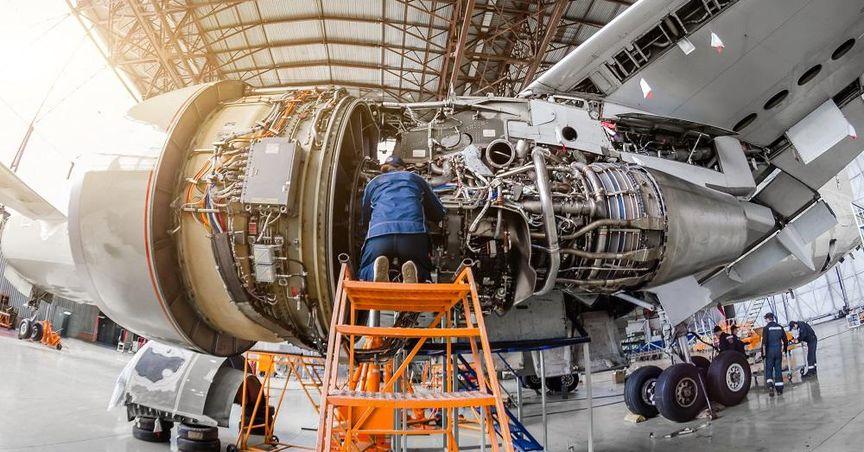
Operational support ensures that aircraft remain compliant with aviation safety standards and maintenance requirements. Maintenance teams perform inspections, technical servicing, and component replacements to ensure aircraft remain operational.
Through these integrated aviation services, air cargo operators provide logistical capacity that supports freight transportation networks across multiple regions.
Logistics Infrastructure and Supply Chains
Air cargo transportation represents one component of broader logistics systems that move goods from production facilities to final destinations. Distribution centers, trucking networks, and cargo terminals work together with aviation services to create integrated supply chains.
Cargo aircraft transport shipments between regional logistics hubs where goods are sorted and transferred to ground transportation networks. Trucks and delivery vehicles then transport shipments from distribution centers to retail stores, warehouses, or residential destinations.
Logistics companies rely on air cargo transportation when shipments must travel long distances within short timeframes. Time sensitive deliveries including medical supplies, electronics, and industrial components often require air transportation services.
Within this logistics ecosystem, Cargojet Inc. (TSX:CJT) provides aviation capacity that supports rapid transportation of freight across national and international markets.
Transportation Companies Within Market Benchmarks
Transportation and logistics companies form an important part of benchmarks such as the tsx smallcap index, which represents companies across sectors including aviation logistics, industrial services, technology, and consumer markets.
Air cargo operators contribute to economic activity by enabling efficient movement of goods across supply chains. Aviation logistics services connect manufacturing centers with distribution networks and commercial markets.
Within this transportation environment, Cargojet Inc. operates cargo aircraft networks supporting freight transportation across Canada and international destinations. Cargo transportation services allow businesses to distribute products quickly across large geographic areas while supporting the broader logistics ecosystem.
Operational Structure of Air Cargo Companies
Air cargo operators maintain operational infrastructure that includes aircraft fleets, maintenance facilities, cargo terminals, and logistics coordination centers. Flight operations teams oversee scheduling and route planning for cargo aircraft.
Maintenance teams perform regular technical inspections and servicing procedures designed to maintain aircraft reliability. Ground crews coordinate loading and unloading procedures for cargo shipments arriving at airport terminals.
Logistics specialists also manage cargo tracking systems that monitor shipments as they travel through transportation networks. These digital platforms allow logistics providers and customers to follow the progress of freight shipments moving through air cargo routes.
