
 AUS
AUS
 NZ
NZ
 UK
UK
 CA
CA
 USA
USA
 IND
IND






Highlights
- BHP transport agreements strengthen long-term freight network visibility.
- Rail infrastructure demand supports Canadian Pacific growth outlook.
- Cross-border network remains key competitive business advantage.
Canadian Pacific Kansas City gains renewed attention as BHP transportation agreements highlight rail infrastructure strength, freight diversification, and growing opportunities tied to Canada's evolving industrial and export landscape.
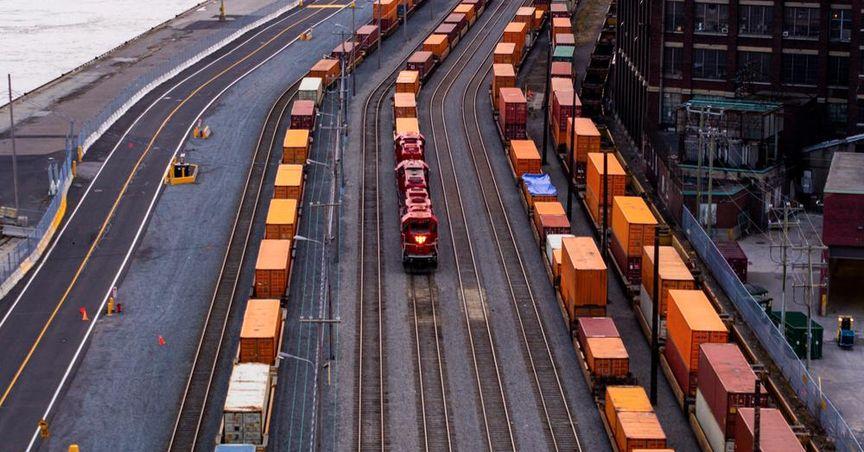
Canadian Pacific Kansas City (TSX:CP) has returned to the spotlight following new transportation agreements connected to BHP Canada’s Jansen Potash Mine project. The agreements strengthen the railway operator’s role in moving potash to export terminals and highlight the strategic importance of rail infrastructure in supporting Canada's resource economy. As a major constituent of the S&P/TSX Composite Index, Canadian Pacific Kansas City continues to attract attention for its extensive rail network, cross-border connectivity, and ability to support large-scale industrial supply chains.
BHP Agreements Add Fresh Momentum
The latest transportation agreements connect BHP Canada's Jansen Potash Mine to export markets through dedicated rail services and dual-network access. Potash remains one of Canada's most important export commodities, making transportation infrastructure a critical component of the supply chain.
For Canadian Pacific Kansas City, the agreements reinforce its position as a key transportation partner for major industrial projects. Reliable freight movement is essential for resource producers seeking efficient access to international markets, and rail operators play a central role in that process.
The announcement has also highlighted the growing importance of long-term logistics partnerships within Canada's transportation sector.
Why The Jansen Project Matters?
The Jansen Potash Mine is one of Canada's most closely watched resource developments. As production advances over time, transportation requirements are expected to become increasingly important.
Rail operators benefit from their ability to move large volumes efficiently across long distances. This makes railway infrastructure a natural solution for bulk commodities such as potash, grain, fertilizers, and industrial materials.
The new agreements position Canadian Pacific Kansas City (TSX:CP) to participate in the broader logistics network supporting one of Canada's significant resource projects. While future performance will depend on operational execution and demand conditions, the agreement strengthens visibility around freight opportunities tied to the potash industry.
A Unique North American Rail Network
Canadian Pacific Kansas City is one of North America's largest rail transportation companies. The company operates an extensive network connecting Canada, the United States, and Mexico through a single rail system.
This integrated network provides access to major ports, manufacturing hubs, agricultural regions, and industrial centres. The company's geographic reach has become an increasingly important advantage as supply chains evolve and cross-border trade activity remains a key economic driver.
Its ability to connect multiple markets through a unified transportation network helps differentiate the business from many regional transportation providers.
Infrastructure Remains A Long-Term Theme
Railways are often viewed as critical infrastructure assets because they support economic activity across multiple industries. Manufacturing, agriculture, mining, energy, and consumer goods all rely on transportation networks to move products efficiently.
The importance of infrastructure continues to draw attention across Canadian markets, particularly among companies operating within the broader transportation and logistics ecosystem.
This trend also supports interest in sectors such as TSX Infrastructure and Real Estate, where long-term assets can benefit from sustained economic activity and trade flows.
Freight Demand Supports The Outlook
Canadian Pacific Kansas City generates revenue from a diversified mix of freight categories. These include agricultural products, bulk commodities, industrial materials, energy-related shipments, and consumer goods.
Diversification remains one of the company's strengths. Exposure to multiple industries can help reduce reliance on any single economic driver and provide resilience during periods of market uncertainty.
As economic conditions shift, freight demand patterns may change, but rail transportation remains a critical component of supply chain operations across North America.
Valuation Discussions Continue
The recent attention surrounding Canadian Pacific Kansas City has also sparked discussions about valuation. Market participants often evaluate railway companies using a variety of approaches, including earnings-based metrics and future cash flow assessments.
Different valuation methods can sometimes lead to different conclusions. Earnings-based approaches may highlight operational quality and growth expectations, while cash flow models often focus on future business performance and long-term assumptions.
These varying perspectives help explain why valuation debates remain common among large transportation companies with significant infrastructure assets and long operating histories.
Growth Opportunities Beyond Potash
While the BHP agreements have generated fresh interest, Canadian Pacific Kansas City's (TSX:CP) growth story extends beyond a single commodity.
The company continues to benefit from exposure to broader economic themes, including industrial production, agricultural exports, manufacturing activity, and international trade. Cross-border commerce remains particularly important because the company's network spans three major North American markets.
As supply chains continue evolving, transportation providers with extensive connectivity may remain well positioned to support changing freight requirements.
Competition And Operational Execution
Despite favourable long-term themes, railway operations remain complex. Service reliability, network efficiency, labour availability, weather conditions, and infrastructure investments all influence performance.
Large projects require careful execution to ensure transportation capacity aligns with customer demand. Operational consistency remains especially important for customers moving bulk commodities where delivery schedules can directly affect export activity.
For Canadian Pacific Kansas City, maintaining efficiency while supporting growing freight volumes remains an ongoing priority.
Sector Rotation Still Influences Sentiment
Transportation companies operate within a broader market environment where capital often rotates between industries based on economic conditions and investor preferences.
Alongside transportation and infrastructure names, market participants continue monitoring opportunities across sectors such as TSX Energy Stocks, TSX Financial Stocks, and TSX Metal & Mining Stocks.
As market leadership shifts, sentiment toward industrial and transportation businesses can also change. However, companies with strong infrastructure assets often remain relevant due to their role in supporting economic activity.
What To Watch Going Forward?
Several factors are likely to remain important for Canadian Pacific Kansas City in the coming years.
Freight demand trends, infrastructure development, network efficiency, and execution of major transportation agreements will continue attracting attention. Market observers will also monitor commodity export activity, industrial production levels, and broader trade flows across North America.
The success of projects linked to resource development, including potash transportation initiatives, may further strengthen the company's role within Canada's logistics network.
