
 AUS
AUS
 NZ
NZ
 UK
UK
 CA
CA
 USA
USA
 IND
IND





Highlights
- Rail transport network spans vast North American corridors
- Operational efficiency and freight diversity define core activities
- Market attention follows recent peak level in trading range
Canadian National Railway’s presence in the S&P TSX 60 Index reflects rail logistics strength, diversified freight movement, and evolving trends within North American transportation networks.
The North American rail transport sector forms a critical backbone for industrial logistics, linking production hubs with ports and distribution centers. Within this space, Canadian National Railway operates as a major freight rail provider with an extensive network across Canada and the United States. As a constituent associated with the S&P TSX 60 Index, the company reflects broader trends in large-cap transportation infrastructure and trade-linked activity.
Network Reach and Core Operations
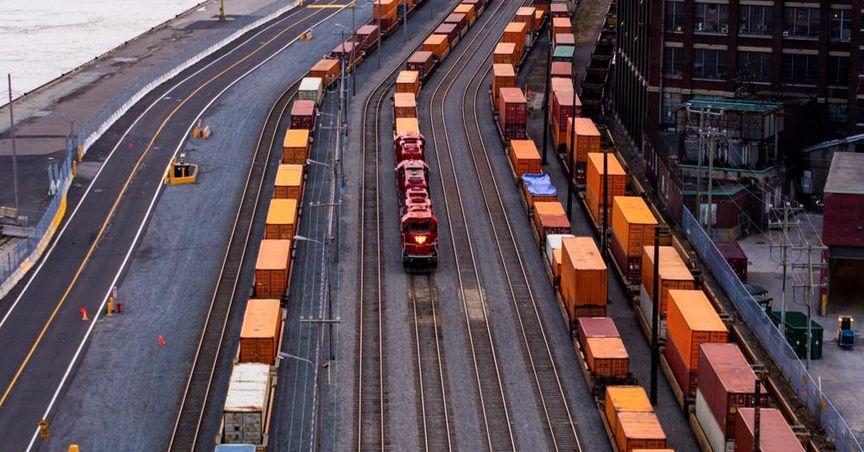
Canadian National Railway (TSX:CNR) maintains a transcontinental rail system that connects eastern and western coasts while extending into the central regions of the United States and down to the Gulf Coast. This integrated network facilitates the movement of raw materials, manufactured goods, and consumer products across long distances.
Freight categories include energy commodities, forest products, metals, automotive shipments, and agricultural goods. Diversification across cargo types supports steady rail utilization, with demand influenced by industrial output, seasonal agricultural cycles, and cross-border trade flows.
Operational focus includes maintaining track infrastructure, optimizing train scheduling, and enhancing fuel efficiency. Rail transport remains a cost-effective option for bulk goods compared with other freight modes, particularly over extended distances. This positioning continues to underpin the relevance of rail carriers in continental supply chains.
Market Activity and Trading Trends
Recent market activity has drawn attention as Canadian National Railway (TSX:CNR) reached a new high within its annual trading range. Such movements often reflect a combination of sector-wide dynamics and company-specific developments. Rail operators frequently mirror economic conditions, as freight volumes tend to correlate with industrial production and commodity movement.
In the middle phase of this discussion, the s and p tsx 60 context provides a broader lens through which large-cap transport firms are evaluated. Movements in this index category can indicate sentiment toward infrastructure-linked companies, especially those tied to trade and logistics performance.
Trading patterns may also align with external factors such as fuel costs, weather disruptions, and regulatory developments affecting cross-border operations. Market participants often observe consistency in operational execution and network resilience when assessing transport companies.
Financial Structure and Performance Indicators
Financial structure within the rail sector typically involves significant capital allocation toward infrastructure maintenance and expansion. Canadian National Railway demonstrates established margins and efficiency measures that reflect scale advantages and disciplined cost management.
Return metrics and operational ratios often highlight how effectively assets generate earnings relative to capital employed. Rail companies generally exhibit stable cash generation due to long-term shipping contracts and recurring freight demand across essential industries.
Balance sheet composition includes debt used to finance infrastructure investments, with liquidity measures reflecting the ability to meet short-term obligations. The rail industry’s capital-intensive nature results in ongoing expenditure requirements, particularly for track upgrades, rolling stock, and safety enhancements.
Governance and Ownership Activity
Ownership structures in large transportation companies include institutional participation alongside internal stakeholders. Recent activity involving share accumulation by board members has drawn attention within market discussions, reflecting alignment between governance participants and corporate performance.
Such transactions often signal internal perspectives on valuation levels or long-term operational stability, though interpretations vary across observers. Regulatory frameworks require disclosure of these activities, ensuring transparency in public markets.
Corporate governance practices in the rail sector emphasize safety oversight, environmental responsibility, and compliance with transportation regulations. Rail operators face ongoing scrutiny related to emissions, land use, and community impact, shaping governance priorities.
Industry Context and Competitive Position
Rail transport competes with trucking, shipping, and pipeline infrastructure depending on cargo type and distance. Each mode offers distinct advantages, with rail particularly suited for heavy bulk commodities and long-haul shipments.
Canadian National Railway’s (TSX:CNR) geographic reach provides a competitive position through direct port access and cross-border connectivity. Intermodal services, which combine rail and trucking, enhance flexibility in freight delivery and extend network capabilities.
Technological adoption continues to influence efficiency, including automation in scheduling systems, predictive maintenance, and digital tracking of shipments. These developments aim to reduce delays, improve reliability, and optimize asset utilization across the rail network.
Environmental considerations increasingly shape the sector, with rail often viewed as a lower-emission alternative compared with road transport for large-scale freight movement. Initiatives focused on fuel efficiency and emission reduction contribute to evolving operational standards.
Role Within Broader Market Indices
Canadian National Railway maintains relevance within large-cap equity benchmarks tied to industrial and transportation sectors. Inclusion in such indices reflects scale, liquidity, and consistent operational presence in public markets.
At the end of this discussion, reference to the s&p 60 index underscores the company’s positioning among established Canadian enterprises. Performance trends within this grouping often provide insight into economic activity tied to infrastructure and trade corridors.
Rail companies within such indices serve as indicators of broader economic movement, given the direct connection between freight demand and industrial output. Changes in shipment volumes, commodity flows, and cross-border trade patterns frequently influence overall sector visibility.
