
 AUS
AUS
 NZ
NZ
 UK
UK
 CA
CA
 USA
USA
 IND
IND





Highlights
- Infrastructure-focused operations spanning construction and concessions activities
- Trading context described through interaction with a long-term moving average benchmark
- Sector placement connected to Canada’s broad equity framework and industrial services
Overview of Aecon Group operations, sector placement, and long-term trading context connected to the S&P TSX Index industrial landscape.
The industrial infrastructure sector in Canada includes companies engaged in construction, project development, and long-duration asset operations, an environment often tracked through the S&P TSX Index . Within this framework, Aecon Group Inc. (TSX:ARE) operates across construction and concession segments that support transportation corridors, utilities, and large-scale civil works. Sector dynamics emphasize project execution, contract management, and asset lifecycle coordination, positioning industrial participants within the broader s&p tsx composite ecosystem.
Infrastructure Operations and Segment Structure
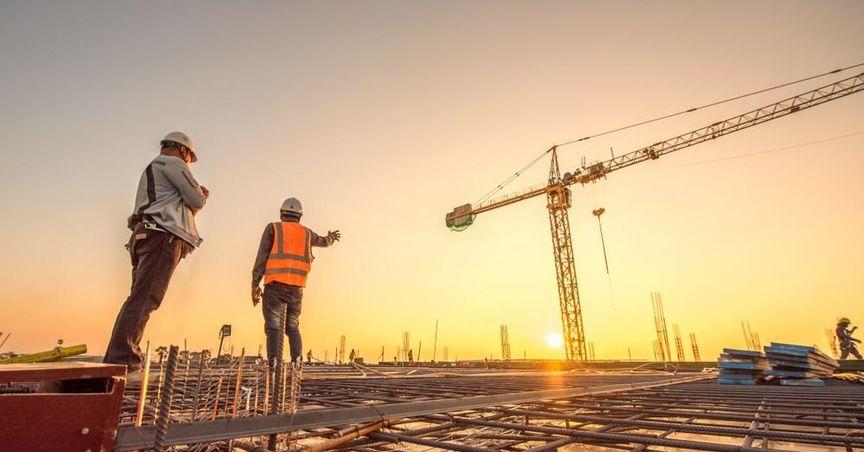
Aecon Group Inc. structures activities around construction delivery and concession-based project participation. The construction segment encompasses civil, industrial, and transportation projects that involve planning, engineering coordination, and on-site execution. These undertakings typically require integrated scheduling, materials logistics, and workforce deployment aligned with multi-phase development timelines.
The concessions segment reflects participation in infrastructure assets that extend beyond initial construction. Activities in this area include development coordination, financing structures, and operational oversight tied to long-term asset functionality. This dual-segment structure illustrates how industrial companies balance project delivery with asset participation, reinforcing a diversified operational profile within the s and p tsx index environment.
Trading Context and Long-Term Trend Reference
Market activity surrounding Aecon Group Inc. has recently interacted with a long-term moving average benchmark commonly referenced to observe directional behavior across extended trading periods. Such benchmarks summarize historical trading data to provide a descriptive context for how share activity aligns with established trend measures. Movement relative to a long-duration average can reflect changing participation patterns and liquidity flow without implying directional expectations.
Shorter-duration averages contribute additional layers to this technical framework. Together, these reference points outline how market behavior evolves across varying time horizons. Within the industrial segment of the S&P TSX, descriptive technical markers are frequently observed to contextualize volatility and comparative positioning among peer companies, emphasizing observation rather than interpretation.
Financial Structure and Operational Indicators
Aecon Group Inc. operational indicators that describe balance sheet composition, working capital management, and earnings generation associated with project execution. These indicators illustrate how contractual activity, equipment utilization, and resource allocation support infrastructure delivery. Industrial construction environments typically involve milestone-driven cash flows, supplier coordination, and staged project completion.
Balance sheet characteristics reflect a combination of obligations and available liquidity designed to sustain project pipelines and concession participation. Operational efficiency depends on aligning procurement schedules with construction phases, ensuring materials availability, and maintaining site readiness. Within the broader s&p tsx composite landscape, such structural elements demonstrate how infrastructure companies manage cyclical project demands while supporting ongoing operations.
Sector Positioning and Geographic Reach
Infrastructure construction companies operate across diverse geographic regions, responding to transportation expansion, utility modernization, and civil development needs. Aecon Group Inc. aligns project activity with public and private infrastructure initiatives, integrating engineering oversight with on-the-ground execution. Geographic diversification supports continuity of operations by distributing project exposure across multiple jurisdictions.
This operational footprint highlights coordination between regional project teams, subcontractors, and supply networks. Environmental conditions, regulatory frameworks, and logistical planning influence execution strategies, shaping how infrastructure providers adapt to localized requirements. Within the S&P TSX Composite Index classification, industrial participants with multi-region reach contribute to sector breadth through varied project portfolios.
Project Lifecycle Coordination
Infrastructure delivery extends beyond initial construction into commissioning, maintenance planning, and asset optimization. Aecon Group Inc. incorporates lifecycle considerations into project frameworks, aligning engineering standards with operational durability. Lifecycle coordination involves scheduling inspections, managing component replacement, and ensuring compliance with technical specifications.
This integrated perspective supports continuity across development stages, reinforcing the connection between construction quality and long-term asset performance. Industrial companies operating in this manner demonstrate how lifecycle awareness informs procurement, workforce training, and safety protocols. The result is a coordinated approach that links project execution with sustained infrastructure functionality.
Market Classification and Industrial Context
Industrial infrastructure providers are categorized within sector frameworks that group companies by operational focus and service orientation. Aecon Group Inc. fits within classifications emphasizing heavy construction, engineering collaboration, and concession participation. Comparative context highlights similarities in project scope, contract structure, and logistical complexity among sector participants.
Operational Continuity and Resource Integration
Sustained infrastructure activity depends on coordinated resource integration, including equipment deployment, workforce planning, and supplier engagement. Aecon Group Inc. integrates these components to maintain project timelines and technical standards. Effective coordination reduces disruptions by aligning materials flow with construction sequencing and site readiness.
Workforce specialization, safety management, and regulatory compliance form additional pillars of operational continuity. Infrastructure environments require adherence to engineering specifications and environmental guidelines, reinforcing disciplined execution practices. Within the s&p tsx framework, such operational rigor illustrates how industrial companies sustain complex project pipelines.
