
 AUS
AUS
 NZ
NZ
 UK
UK
 CA
CA
 USA
USA
 IND
IND





Highlights
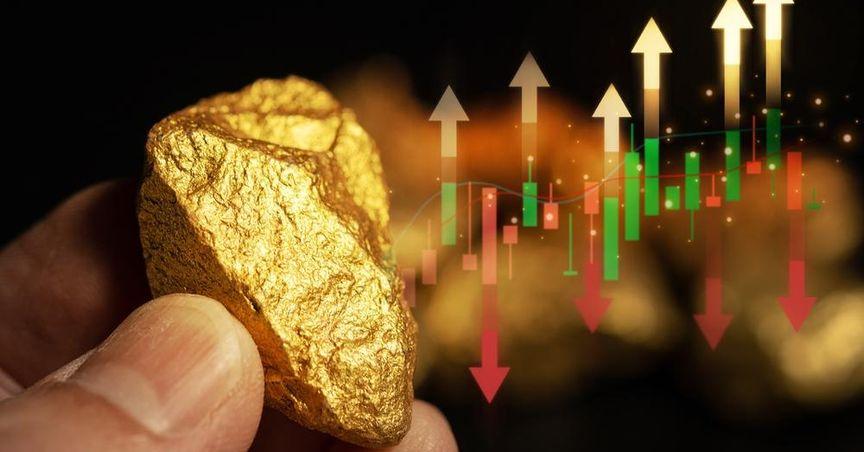
- Gold sector sentiment shifts have influenced movements surrounding within the Canadian materials space.
- Market participants continue reviewing valuation frameworks applied to established gold producers.
- Sector wide reassessment across Canadian mining groups.
The Canadian materials sector features several established gold producers operating across North America and other global mining regions. Within this environment.
SSR Mining (TSX:SSRM) has drawn significant attention as discussions across the gold segment evolve alongside shifting commodity sentiment and operational developments. Companies engaged in precious metal extraction frequently experience strong fluctuations in market sentiment because gold remains closely connected to macroeconomic themes such as currency stability, inflation perception, and geopolitical uncertainty. Within Canada’s mining landscape, these dynamics often ripple through broader benchmarks such as the S and P tsx index, where large mining groups contribute a meaningful share of overall sector representation.
Against this background, the gold sector has undergone renewed reassessment across Canadian equity markets. Market participants frequently review company fundamentals, production footprints, operational efficiency, and reserve quality when evaluating established mining firms. SSR Mining operates within this complex framework where operational scale, geological assets, and cost structures remain central themes. Over recent months, broader discussions surrounding gold producers have intensified as participants revisit valuation frameworks used to interpret the standing of various companies operating across the materials segment.
Canadian Gold Sector Context
Gold mining remains a defining component of Canada’s resource based economy. The country hosts a diverse range of operations spread across multiple provinces alongside international mining ventures managed by Canadian listed entities. Within this environment, companies such as SSR Mining form part of a broader ecosystem involving exploration firms, development stage projects, and established producers. These layers together shape the supply dynamics that influence the global gold market.
Canadian exchanges have long served as central platforms for global mining listings. The presence of resource oriented benchmarks such as the TSX Smallcap Index highlights the role played by exploration and emerging mining companies alongside large producers. Within this broader ecosystem, mature gold producers frequently attract attention when commodity sentiment strengthens or when operational updates influence perceptions surrounding mining efficiency and geological sustainability.
Market Sentiment Evolution
The gold sector often experiences swift changes in sentiment because precious metals respond quickly to broader economic signals. Discussions surrounding inflation, currency trends, and global uncertainty frequently trigger renewed focus on gold producers. When such themes become prominent, mining companies listed across Canadian exchanges tend to experience heightened visibility within the materials segment.
These shifts in attention contribute to significant movements across mining equities as market participants reassess operational fundamentals alongside macroeconomic developments. In the case of the company operates within a landscape where broader sector conversations can influence the way mining assets are interpreted. Movements across gold related equities frequently align with evolving perceptions regarding supply dynamics, geopolitical developments, and broader commodity narratives.
Operational Footprint Overview
SSR Mining (TSX:SSRM) maintains a diversified operational footprint that includes several producing assets located across multiple jurisdictions. These operations contribute to the company’s overall production profile while also shaping its strategic presence within the global gold mining industry. Each mining site presents distinct geological characteristics that influence extraction methods, processing techniques, and operational efficiency.
Mining companies operating at scale often rely on a combination of open pit and underground extraction methods depending on the characteristics of the ore body. Processing facilities associated with these operations transform mined material into refined metal through a series of metallurgical stages. These complex processes require extensive infrastructure, skilled technical teams, and continuous operational monitoring to maintain consistent output levels.
Resource Base Structure
The strength of a gold mining company frequently depends on the scale and quality of its mineral reserves and resources. Geological surveys, drilling programs, and technical assessments contribute to the classification of mineral deposits. These evaluations form the foundation used by mining companies to communicate the scope of their extraction capabilities across operational regions.
Within the broader gold industry, reserve replacement remains a key focus area. Mining companies continuously explore nearby geological zones to identify additional mineralization that may extend the life of existing operations. Exploration programs often involve advanced geophysical techniques and drilling campaigns designed to map underground structures with precision. Through these efforts, mining groups aim to maintain a sustainable production pipeline supported by reliable resource data.
Valuation Method Framework
Within the mining industry, valuation discussions often rely on frameworks designed to interpret long term operational performance. One commonly referenced method involves discounted modelling techniques that evaluate projected operational performance across several phases of mine development. These frameworks incorporate assumptions regarding production levels, operational expenditures, and commodity benchmarks to estimate overall enterprise value.
For gold producers, such frameworks often divide operational timelines into distinct stages reflecting early growth phases followed by more mature production periods. The approach typically integrates projected operating data with discount mechanisms that account for time related adjustments. These models provide structured perspectives regarding how mining operations may evolve across extended production cycles.
Sector Wide Reassessment
Across the global mining landscape, gold producers periodically undergo broad reassessment when sector narratives shift. Commodity cycles, geopolitical developments, and supply chain considerations can influence the interpretation of mining operations across various jurisdictions. When such shifts occur, mining equities often become focal points within materials oriented benchmarks.
Canadian resource exchanges frequently reflect these developments through movements within large mining listings. Benchmarks such as the s&p tsx composite index often mirror broader sentiment surrounding commodity producing companies. Gold producers play a significant role within this environment, contributing to the overall dynamics observed across the materials segment of Canadian equity markets.
Production Strategy Evolution
Mining operations require long term planning to maintain consistent extraction levels while ensuring operational sustainability. Strategic planning typically involves balancing near term production objectives with exploration programs aimed at extending mine life. Technical teams evaluate ore grades, processing capacity, and infrastructure requirements to optimize operational performance across active mining sites.
In addition to extraction planning, mining companies invest significant effort into environmental stewardship and community engagement. Modern mining operations incorporate advanced environmental monitoring programs designed to minimize ecological impact while maintaining compliance with regulatory standards. These initiatives often include water management systems, reclamation planning, and collaborative engagement with local communities.
Industry Benchmark Comparisons
Gold mining companies are frequently assessed relative to industry peers operating within similar geological environments. Comparative discussions often focus on production scale, resource longevity, and operational efficiency. These comparisons provide context regarding how individual companies align with broader industry trends across the global gold market.
Within Canadian markets, benchmarking frequently references the performance of resource oriented indices and sector groupings. Mining companies listed alongside other materials producers may experience parallel sentiment movements as commodity narratives evolve. This interconnected environment contributes to ongoing dialogue surrounding the position of established producers within the Canadian mining ecosystem (TSX:SSRM).
