
 AUS
AUS
 NZ
NZ
 UK
UK
 CA
CA
 USA
USA
 IND
IND




Highlights
- Extensive pipeline network spans Canada, the United States, and Mexico.
- Natural gas transportation remains the company's primary business activity.
- Power generation assets complement diversified energy infrastructure operations.
The S&P/TSX 60 includes many of Canada's largest publicly traded companies, including TC Energy Corp. (TSX:TRP). Operating within the energy infrastructure sector, the company develops, owns, and operates natural gas pipelines, liquids pipelines, and power generation assets across North America. The sector supports energy transportation, electricity generation, and cross-border infrastructure connecting major production regions with residential, commercial, and industrial markets.
Extensive North American infrastructure network
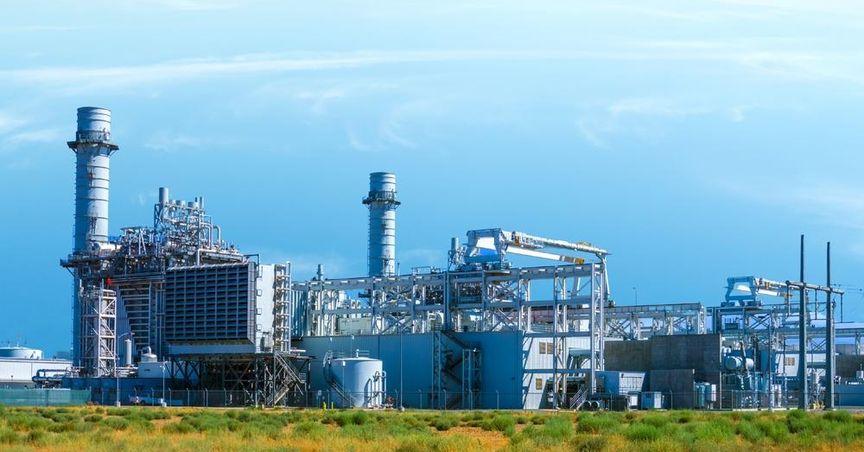
TC Energy operates one of North America's largest natural gas pipeline systems, transporting natural gas across Canada, the United States, and Mexico. The network connects producing regions with local distribution companies, industrial facilities, power plants, and export locations through thousands of kilometres of pipeline infrastructure.
The company also owns and operates the Keystone Pipeline System, which transports crude oil between Canada and the United States. Alongside pipeline operations, power generation facilities contribute electricity to regional energy markets, creating a diversified infrastructure portfolio serving multiple customer groups.
Core business segments
Operations are organized around natural gas pipelines, liquids pipelines, and power and energy solutions.
Natural gas pipelines represent the largest operating segment, providing transportation services through an extensive interconnected network. Liquids pipelines include crude oil transportation infrastructure linking production areas with refining markets.
Power generation assets include facilities using different generation technologies to supply electricity within North American energy systems. Together, these segments support long-term infrastructure serving residential, commercial, industrial, and utility customers.
As one of Canada's established Energy Stocks, the company maintains infrastructure across several regulated and contracted energy markets.
Geographic presence across three countries
The company's assets extend throughout Canada, the United States, and Mexico, reflecting decades of infrastructure development. Natural gas pipeline systems connect major producing basins with metropolitan regions and industrial centres, supporting reliable energy transportation across international borders.
Cross-border operations play an important role in North American energy integration by facilitating the movement of natural gas and crude oil between production regions and consumption markets. Geographic diversification also supports operations across multiple regulatory jurisdictions and energy demand centres.
The scale of these assets positions the company among the larger infrastructure businesses represented in the S&P/TSX 60.
Infrastructure supporting energy demand
Pipeline infrastructure forms a critical component of North America's energy system by transporting natural gas used for residential heating, electricity generation, manufacturing, and commercial applications.
Power generation facilities complement transportation assets through electricity production supporting regional grids. Infrastructure maintenance, modernization, and system reliability remain central operational priorities across pipeline and generation assets.
Energy demand continues to be influenced by population growth, industrial production, electricity consumption, and commercial activity throughout North America.
Recent operational activity
TC Energy Corp. (TSX:TRP) reported quarterly financial results during 2026 reflecting continued activity across natural gas pipeline operations, liquids transportation assets, and power generation facilities.
Public disclosures also highlighted ongoing operation of major pipeline systems and electricity generation assets serving customers across Canada, the United States, and Mexico. The company's diversified infrastructure portfolio continued to support transportation and energy delivery through multiple operating regions.
Quarterly updates reflected activity across regulated pipeline operations together with contracted infrastructure assets serving long-established transportation corridors.
Energy infrastructure sector trends
North American energy infrastructure continues to evolve alongside changes in electricity demand, industrial development, natural gas production, and regional consumption patterns. Pipeline systems remain an essential component of the broader energy supply chain by connecting production regions with end-use markets.
Natural gas continues to play a significant role in electricity generation and industrial operations across the continent, while pipeline infrastructure supports dependable transportation between producing basins and population centres.
Infrastructure companies also continue maintaining existing assets while completing modernization programs designed to support operational reliability, environmental performance, and system efficiency.
Position within the Canadian market
The Canadian energy infrastructure sector includes pipeline operators, electricity transmission businesses, renewable generation operators, and utility-related companies. Within this sector, TC Energy Corp.maintains a substantial asset base spanning natural gas transportation, crude oil transportation, and power generation.
Its operations support residential communities, manufacturing facilities, electricity producers, and commercial customers through integrated infrastructure extending across three countries. Diversified operations, broad geographic coverage, and long-established pipeline systems remain defining characteristics of the business.
Companies within the S&P/TSX 60 represent many of Canada's largest publicly traded enterprises, with energy infrastructure continuing to play an important role in supporting industrial activity, electricity generation, and cross-border energy transportation.
