
 AUS
AUS
 NZ
NZ
 UK
UK
 CA
CA
 USA
USA
 IND
IND





Highlights
- Tamarack reaches a fresh market milestone
- Energy production profile draws renewed attention
- Dividend and margin debate shape sentiment
Energy market momentum highlights production strength, dividend discussions, financial discipline, and operational execution as Canadian resource companies remain closely watched across changing sector conditions.
Tamarack Valley Energy (TSX:TVE), a Canadian oil and gas producer focused on light oil, heavy oil, natural gas, and liquids assets, has gained fresh attention after reaching a new trading milestone within the S&P TSX Composite Index. The latest move has placed the company’s operating profile, dividend structure, production base, and financial performance under closer review as market sentiment around Canadian energy names continues to evolve.
Production Base Across Western Canada
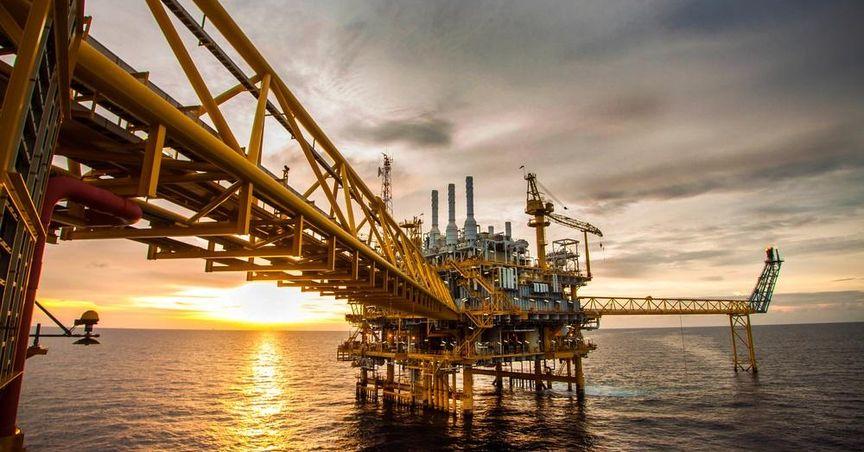
Tamarack Valley Energy operates across the Western Canadian sedimentary basin, one of Canada’s most important energy regions. The company’s asset base includes oil and natural gas properties across Alberta and Saskatchewan, giving it exposure to several resource-rich areas.
Its operations span light oil, heavy oil, natural gas, and natural gas liquids. This diversified production mix gives the company a broad energy profile rather than relying on a single commodity stream. Such a structure can help support operational flexibility during changing market conditions.
Energy Sector Positioning
Tamarack belongs to TSX Energy Stocks, a category shaped by commodity demand, production efficiency, drilling activity, balance sheet strength, and dividend sustainability. The company’s recent milestone has brought renewed attention to how smaller and mid-sized Canadian producers are being assessed in the current market environment.
Energy producers often attract stronger focus when share momentum aligns with broader sector activity. For Tamarack, the latest trading strength has placed its field operations and financial metrics at the centre of the discussion.
Operational Footprint and Asset Mix
The company’s operating footprint includes several resource plays across Western Canada. These assets support its production strategy and provide exposure to established oil-producing regions.
Tamarack’s light oil assets are an important part of its profile, while its heavy oil and natural gas liquids exposure add further depth. This mix allows the company to participate across different parts of the energy value chain.
A diversified asset base can support flexibility, but it also requires disciplined management. Each resource area carries its own operating costs, production characteristics, and development requirements.
Trading Milestone Drives Attention
The latest move to a fresh trading high has created a stronger spotlight around Tamarack. When a stock reaches a new milestone, the discussion often shifts from simple price action to the underlying drivers behind that move.
For Tamarack, attention appears centred on production visibility, dividend continuity, analyst sentiment, and the company’s ability to manage margins. Market watchers are also reviewing whether the current price movement reflects improving sector confidence or company-specific momentum.
Production Strength and Field Execution
Production remains a core measure for energy companies. Tamarack’s ability to generate output from its Western Canadian assets is central to how the market evaluates its business.
Field execution matters because oil and gas properties require continuous development, maintenance, and capital discipline. Companies must manage natural field decline while bringing new production online through drilling and development work.
Tamarack’s recent market attention suggests that production consistency remains a key part of its story. Strong execution across its operating areas can support confidence in its resource base.
Dividend Profile Under Review
Tamarack also remains in focus because of its dividend. In the energy sector, dividends are often reviewed alongside cash flow, commodity pricing, debt levels, and reinvestment needs.
A dividend can support market interest, but sustainability depends on the company’s ability to generate consistent funds from operations. For Tamarack, the discussion includes whether its production base and financial structure can continue supporting distributions while also funding field development.
This balance is especially important for energy producers, where commodity prices can shift and capital needs can change quickly.
Margin Pressure and Financial Signals
Recent financial results have created a mixed picture for Tamarack. While revenue generation reflects the scale of its energy operations, margin pressure and negative profitability indicators have added caution to the broader conversation.
For resource producers, margins can be influenced by commodity prices, operating costs, transportation expenses, royalties, production mix, and development spending. These factors can shift quickly, making financial discipline essential.
The market is therefore not only focused on Tamarack’s share movement. It is also reviewing whether operating performance can strengthen enough to support the company’s valuation and dividend framework.
Balance Sheet and Debt Discipline
Debt management remains a key theme across the energy sector. Producers often rely on capital to develop assets, maintain production, and expand operations, but excessive leverage can reduce flexibility.
Tamarack’s balance sheet is part of the current discussion because debt levels affect how much room the company has to respond to commodity price changes or operational challenges. A disciplined approach to debt can help preserve financial stability during periods of uncertainty.
The company’s future sentiment may depend partly on how effectively it manages capital needs while maintaining production and shareholder distributions.
Western Canadian Energy Context
The Western Canadian sedimentary basin remains central to Canada’s oil and gas industry. Companies operating in this region benefit from established infrastructure, experienced service providers, and resource depth.
Tamarack’s assets across Alberta and Saskatchewan connect it to this broader energy framework. These regions have long histories of oil and gas development, which can support technical knowledge and operational efficiency.
However, operating in mature basins also requires careful planning. Companies must manage decline rates, optimize recovery, and allocate capital toward the most efficient development opportunities.
Market Sentiment Around Energy Producers
Canadian energy names have drawn attention as commodity markets, dividend discussions, and production updates continue to shape sentiment. Tamarack’s recent move reflects this broader interest in energy companies with active production bases.
Market sentiment in the sector can shift based on crude oil trends, natural gas pricing, regulatory developments, and capital discipline. For Tamarack, company-specific factors such as asset quality, margins, and dividend policy add another layer to the story.
The current discussion reflects both enthusiasm around the trading milestone and caution around financial pressures.
Analyst Sentiment Without Brokerage Focus
Recent market commentary has indicated generally supportive sentiment toward Tamarack, though expectations vary. The broader view appears to recognise the company’s resource base and production profile while also acknowledging financial and valuation considerations.
The important takeaway is that sentiment remains mixed rather than one-dimensional. Tamarack’s market milestone has increased visibility, but the company’s fundamentals remain central to the conversation.
This creates a layered narrative where operational execution, debt discipline, margins, and dividend sustainability all matter.
Commodity Exposure and Price Sensitivity
Tamarack’s business remains closely tied to commodity markets. Oil, natural gas, and natural gas liquids pricing influence revenue, funds flow, margins, and capital planning.
This exposure can support stronger results when commodity conditions are favourable, but it can also create pressure when prices soften. For this reason, energy producers must maintain flexibility in spending and operations.
Tamarack’s diversified production base may help provide broader exposure, but commodity sensitivity remains a defining feature of its business model.
Development Strategy and Resource Depth
The company’s strategy depends on developing its resource base while maintaining efficient operations. Development planning includes drilling, field optimization, production maintenance, and capital allocation.
Resource depth can support a longer operating runway, but only if development is executed effectively. Companies must identify high-quality drilling locations, manage costs, and maintain infrastructure access.
For Tamarack, the quality of its resource base and the efficiency of its development programme will remain important factors in market perception.
Valuation Debate Takes Shape
The fresh trading milestone has also raised valuation questions. When a company reaches a new high, attention often turns to whether the market has moved ahead of the fundamentals.
In Tamarack’s case, valuation discussion includes production growth, profitability pressure, dividend commitments, and commodity exposure. The company’s current sentiment reflects both operational confidence and financial caution.
A higher trading level can increase expectations, making future updates more important. Production consistency, margin recovery, and disciplined spending may all influence how the valuation debate develops.
Dividend and Growth Balance
Energy companies often face a balancing act between returning capital and reinvesting in assets. Tamarack’s dividend profile adds importance to this balance.
If too much capital is directed toward distributions, development flexibility may narrow. If too much is directed toward growth, income-focused market participants may question the dividend path.
The company must therefore manage both priorities carefully. Its ability to sustain production while supporting financial obligations remains central to the current discussion.
Operational Risks and Sector Challenges
Tamarack operates in a sector with several built-in risks. Commodity volatility, weather conditions, regulatory changes, service cost inflation, and field performance can all influence results.
Energy producers must also manage environmental responsibilities and community relationships. These factors form part of the broader operating framework in Canada’s energy industry.
For Tamarack, the market will likely continue watching how the company handles these challenges while maintaining its production base and financial commitments.
Market Narrative After the New High
The latest milestone has made Tamarack Valley Energy (TSX:TVE), a more visible energy name in Canadian markets. Its story now centres on whether production strength, dividend appeal, and sector momentum can outweigh margin pressure and balance sheet scrutiny.
The company’s Western Canadian operations provide a clear resource foundation. However, the next phase of market sentiment may depend on execution, cost discipline, and commodity conditions.
Tamarack remains a notable example of how energy stocks can attract renewed attention when trading momentum intersects with operational questions.
