
 AUS
AUS
 NZ
NZ
 UK
UK
 CA
CA
 USA
USA
 IND
IND




Highlights
- Energy sector activity reflects broad operational developments in a Canadian gas producer
- Production and infrastructure focus underline large-scale natural resource operations
- Benchmark inclusion connects sector dynamics with market structure
Overview of Tourmaline Oil Corp operations, natural gas infrastructure, and sector positioning connected to s and p tsx 60 benchmark representation within Canada’s energy landscape.
Canada’s energy sector supports natural gas exploration, development, and distribution across extensive geological basins, forming a critical component of national resource activity. Tourmaline Oil Corp. (TSX:TOU) operates within this environment, where sector developments often align with production cycles, infrastructure deployment, and resource management frameworks. Activity surrounding Tourmaline Oil Corp. appears within the broader context tracked by the S&P TSX 60 Index, illustrating how major energy participants reflect structural themes in Canadian markets. Within the s&p 60 index landscape, natural gas producers commonly exhibit operational patterns shaped by field development, processing infrastructure, and transportation networks.
Energy Production and Operational Framework
Tourmaline Oil Corp. (TSX:TOU) functions as a natural gas producer with operations concentrated in Western Canadian sedimentary formations. Exploration and development programs support resource extraction through coordinated drilling, processing, and distribution systems. These activities form an integrated operational framework designed to sustain production continuity.
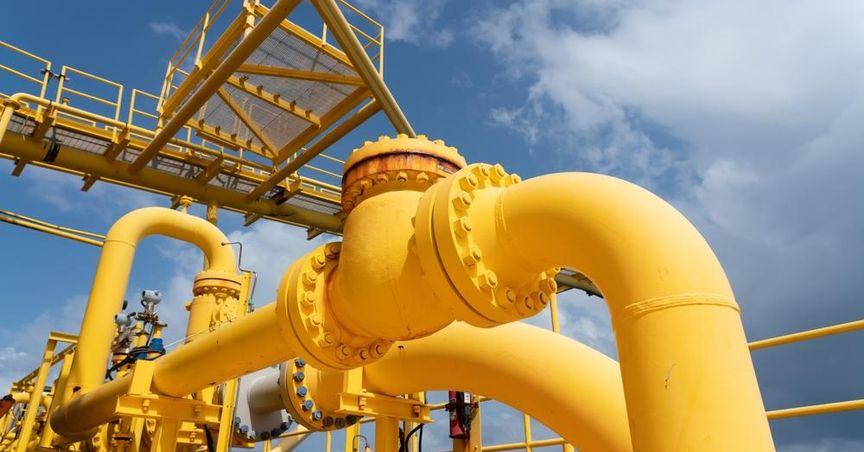
Energy extraction involves layered infrastructure that includes well sites, gathering systems, processing facilities, and transportation links. Such networks enable the movement of natural gas from field operations to downstream markets. Production cycles are influenced by geological characteristics, equipment deployment, and maintenance schedules, creating a structured rhythm within the energy sector.
Sector participants often align operational planning with infrastructure capacity and environmental stewardship requirements. These elements collectively shape how energy companies operate within benchmark environments such as the s and p tsx 60, where large-scale production frameworks intersect with broader market representation.
Infrastructure and Resource Development
Natural gas infrastructure extends across drilling platforms, compression facilities, and pipeline systems that support distribution. Tourmaline Oil Corp. (TSX:TOU) integrates these components to maintain operational flow from extraction to delivery. Infrastructure modernization and system optimization contribute to efficiency within production networks.
Resource development emphasizes geological assessment, drilling coordination, and facility management. These processes support consistent output while aligning with regulatory and environmental standards governing energy operations. Infrastructure deployment typically unfolds in phases, reflecting long-term planning tied to resource basins.
Energy infrastructure also connects upstream production with downstream processing and distribution channels. This interconnected framework enables continuity across supply pathways, reinforcing the structural role of natural gas within Canada’s energy landscape.
Sector Dynamics and Market Structure
The Canadian energy sector includes producers operating across diverse hydrocarbon resources, with natural gas forming a central component of domestic supply. Sector dynamics often reflect production cycles, transportation capacity, and demand patterns linked to industrial and residential consumption.
Tourmaline Oil Corp. (TSX:TOU) participates in this ecosystem through coordinated field development and processing activity. Energy producers frequently operate within capital-intensive frameworks that emphasize infrastructure durability and operational reliability. Charted market activity tied to sector participants typically emerges within this structural backdrop.
Benchmark tracking environments incorporate energy companies to represent the sector’s contribution to broader market composition. Inclusion alongside other large enterprises highlights how resource development aligns with national economic activity. Operational continuity and infrastructure scale remain defining characteristics within this framework.
Natural Gas Market Environment
Natural gas serves as a foundational energy source supporting electricity generation, heating, and industrial processes. Production frameworks integrate extraction technology with environmental management practices to maintain resource stewardship. Tourmaline Oil Corp. (TSX:TOU) operates within this environment through coordinated development programs that align with basin characteristics.
Transportation infrastructure enables natural gas to move through pipeline networks connecting production zones with distribution hubs. Processing facilities condition output for delivery, supporting consistent supply pathways. Sector participants adapt operational scheduling to align with infrastructure capacity and maintenance requirements.
The natural gas environment reflects long-term development cycles shaped by geological assessment and facility planning. These structural elements influence how production activity is contextualized within benchmark groupings like the s&p 60 index, linking operational scale with broader market representation.
Energy Sector Position Within Benchmarks
Energy producers occupy a structural role within Canadian benchmark frameworks that track sector composition. Representation within these benchmarks underscores the economic relevance of natural resource activity. Tourmaline Oil Corp. (TSX:TOU) reflects this positioning through extensive production infrastructure and basin development programs.
Benchmark inclusion situates energy companies within a diversified market structure that mirrors sector balance. Production continuity, infrastructure integration, and resource management define how energy participants function inside this framework. Natural gas producers therefore contribute to a layered market environment shaped by resource development.
